
What is selective premiumisation?
Selective premiumisation is a consumer behavior where households deliberately "trade up" in specific categories that shape their identity or experiences while remaining highly value-conscious regarding routine purchases.
According to the sources, this process works through the following mechanisms:
Live Test Series
Join thousands of aspirants in our weekly live mock tests. Get real-time ranking and detailed analysis.
1. The Principle of Selective Choice
Rather than a broad-based shift into total affluence, selective premiumisation is defined by consumers making specific decisions about what is worth paying more for. This allows both the premium and value segments of the market to grow simultaneously. While consumers may cut back on lower-priced, routine categories—especially during inflationary periods—they continue to upgrade in the categories they value most.
2. Upgrading Through Alternative Channels
A key way this works is through the used-car market, which consumers use to "move up the automotive ladder". Instead of stretching their finances to buy a new entry-level hatchback, many buyers choose older SUVs, premium variants, or better-equipped vehicles. This trend has contributed to SUVs accounting for two-thirds of all passenger vehicle sales in 2026, a sharp increase from less than one-third a decade ago.
3. Resilience in High-Value Categories
Selective premiumisation is particularly evident in sectors where products define lifestyle or status:
Smartphones: Even when overall sales volume remains flat, the market share for premium smartphones (priced above ₹30,000) has grown significantly, rising from 20% in 2020 to 26% in 2025.
Live NCERT Foundation
Master the basics with our live NCERT classes. The perfect foundation for your UPSC journey.
Experiential Spending: Consumption is moving "beyond the plate" toward high-value experiences. The live-events industry—including concerts and sporting events—has reached a scale comparable to the organised footwear market, with ticketed events increasing from 19,000 in 2022 to 34,000 in 2025.
4. Psychological Drivers
The sources suggest that modern aspiration is less about absolute purchasing power and more about "perceived possibility". As the burden of essential spending (like food) shrinks as a percentage of the household budget, consumers use their increasing discretionary income to prioritize purchases that offer self-expression and a better perceived status.
How is India transitioning from necessity-based to preference-led consumption?
Aug 15, 2026
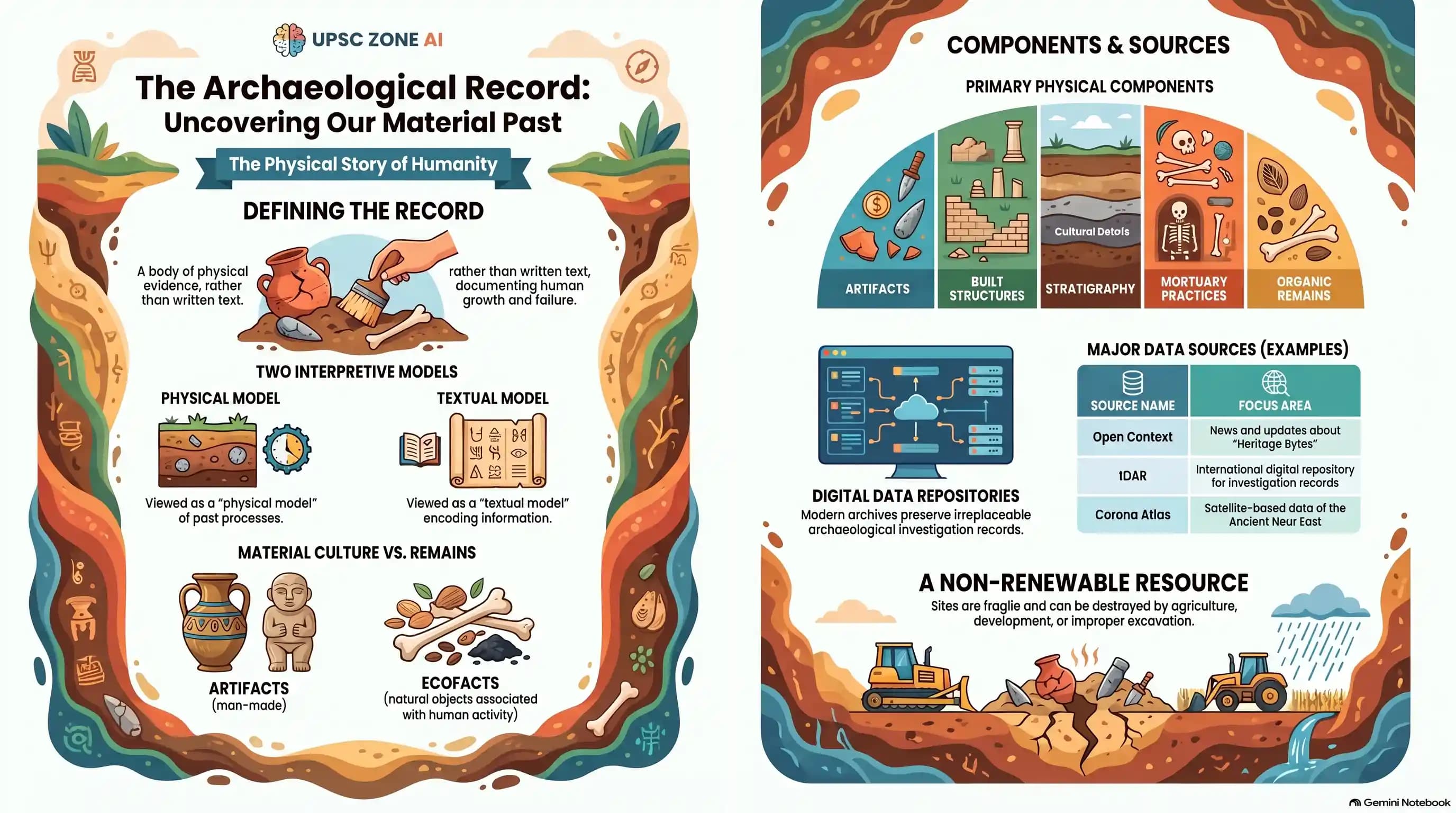
What is preservation bias?
Aug 14, 2026
Why is the archaeological record considered a finite resource?
Aug 14, 2026
Explain UPI Charges on payments?
Aug 13, 2026
Explain the Merchant Discount Rate controversy for prepaid wallet payments.
Aug 13, 2026