Explain UPI Charges on payments?
UPI transaction charges are primarily determined by the type of payment, the amount involved, and the instrument used (such as a bank account, a wallet, or a credit card). While most personal transactions remain free, specific merchant-related fees have been introduced to ensure the sustainability of the digital ecosystem.
1. Charges for Individuals (Consumers)
For most everyday users, UPI remains completely free for standard bank-to-bank transactions.
Live Test Series
Join thousands of aspirants in our weekly live mock tests. Get real-time ranking and detailed analysis.
Peer-to-Peer (P2P): Transfers between friends or family members, whether via mobile number, UPI ID, or QR code, do not incur any charges regardless of the amount.
Peer-to-Merchant (P2M): Standard payments made directly from a bank account to a merchant (e.g., at a local grocery store) are also generally free for the customer.
App Convenience Fees: Some platforms like Google Pay, PhonePe, and Paytm have introduced "convenience" or "platform fees" for specific services such as utility bill payments (electricity, gas, water) or mobile recharges. These typically range from ₹1 to ₹40 or 0.5% to 1% plus GST, primarily when using credit or debit cards. UPI payments linked directly to bank accounts often remain exempt from these app-level fees.
2. Charges for Merchants (MDR and Interchange)
While consumers pay nothing for standard UPI, the "plumbing" of the system involves costs for banks and payment providers.
Live NCERT Foundation
Master the basics with our live NCERT classes. The perfect foundation for your UPSC journey.
Zero-MDR Policy: By government mandate, standard bank-to-bank UPI transactions carry a 0% Merchant Discount Rate (MDR). This means merchants are not charged a fee by the payment network for these transactions.
Prepaid Payment Instruments (PPI)/Wallets: Effective April 2023, an interchange fee of up to 1.1% applies to merchant transactions exceeding ₹2,000 when made using prepaid wallets (like Paytm or PhonePe wallets). Small offline merchants (daily turnover ≤ ₹5,500) are generally exempted from these charges for transactions under ₹2,000.
RuPay Credit Cards on UPI: Transactions using RuPay credit cards via UPI attract an MDR of approximately 1.1% to 2% for payments above ₹2,000. Transactions below this threshold are currently free for both the merchant and the consumer. P2P transfers using credit cards are not permitted.
Platform Fees: Merchants may still pay a platform fee to their payment gateway providers for processing, security, and settlement infrastructure, which is separate from the government-mandated 0% MDR.
Advanced GS Course
Deep dive into General Studies with our comprehensive expert-led modules.
3. Legal Framework and Future Outlook
The "UPI-Law" under Section 10A of the Payment and Settlement Systems (PSS) Act, 2007, historically prohibited banks or system providers from imposing charges on UPI payments.
Sustainability Debate: Industry players argue that the zero-MDR model is unsustainable given the high costs of infrastructure and fraud management.
Proposed Amendments: The Taxation and Other Laws (Amendment) Bill, 2026, proposes to give the RBI the power to decide MDR on UPI. The government has clarified that even if MDR is introduced in the future, it will be threshold-based, limited to specific merchant categories, and UPI will remain free for consumers and P2P transactions.
4. Transaction Limits (2026)
Daily Limit: Generally capped at ₹1 lakh for regular P2P transfers, though it can rise to ₹5 lakh for specific categories like IPOs, hospitals, and educational institutions.
Transaction Count: Most banks limit users to a maximum of 20 UPI transactions per day.
UPI Lite: Designed for small-value payments, it allows a wallet storage of up to ₹5,000 with a per-transaction limit of ₹1,000 and no PIN requirement.
Explain the Merchant Discount Rate controversy for prepaid wallet payments.
Aug 13, 2026

How does Chilika Lake's unique ecology support local livelihoods and wildlife?
Aug 4, 2026

Explain the significance of the 2026 Supreme Court sex work judgment.
Aug 3, 2026
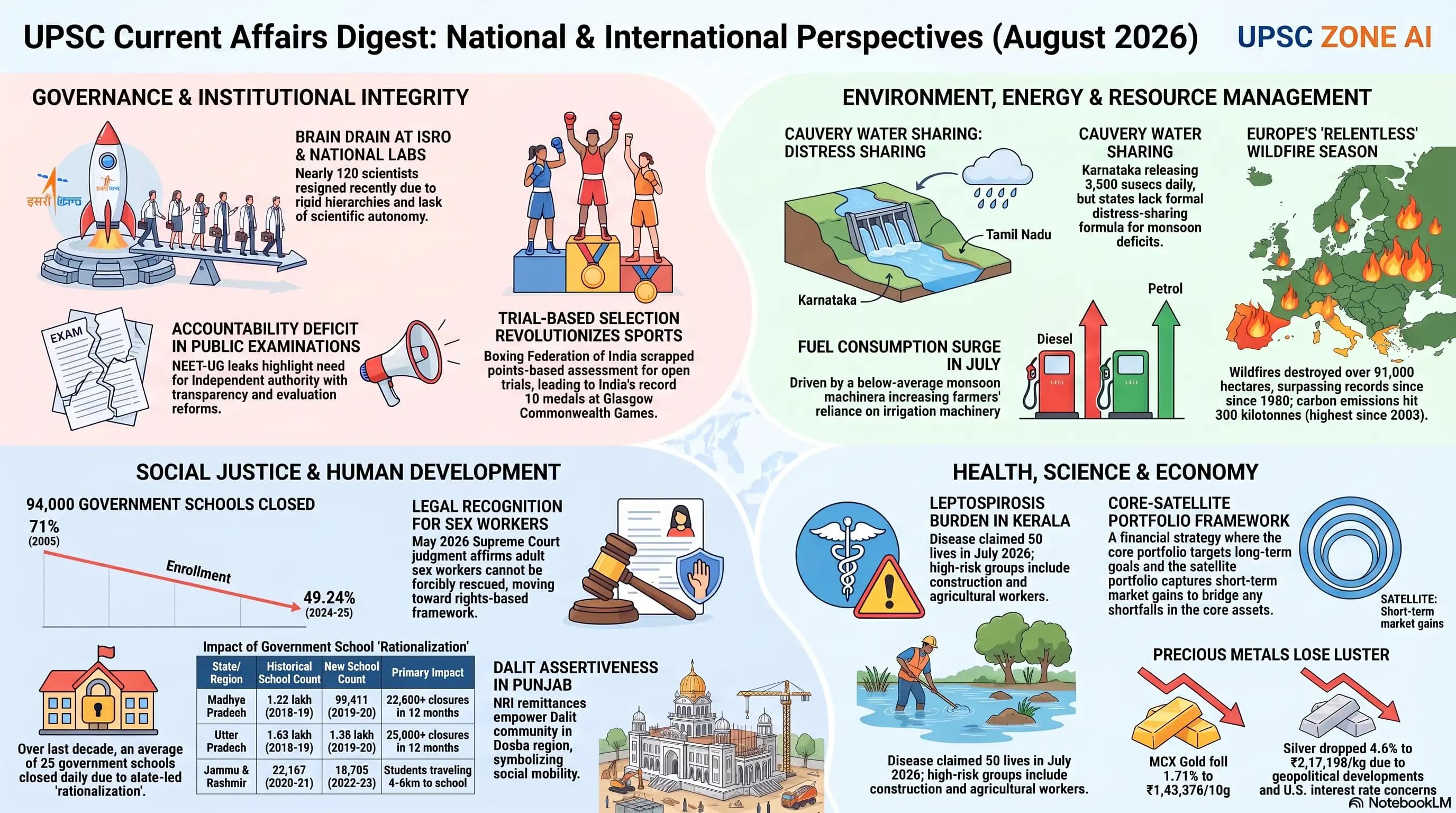
Ethics and Infrastructure (GS Paper IV)
Aug 3, 2026
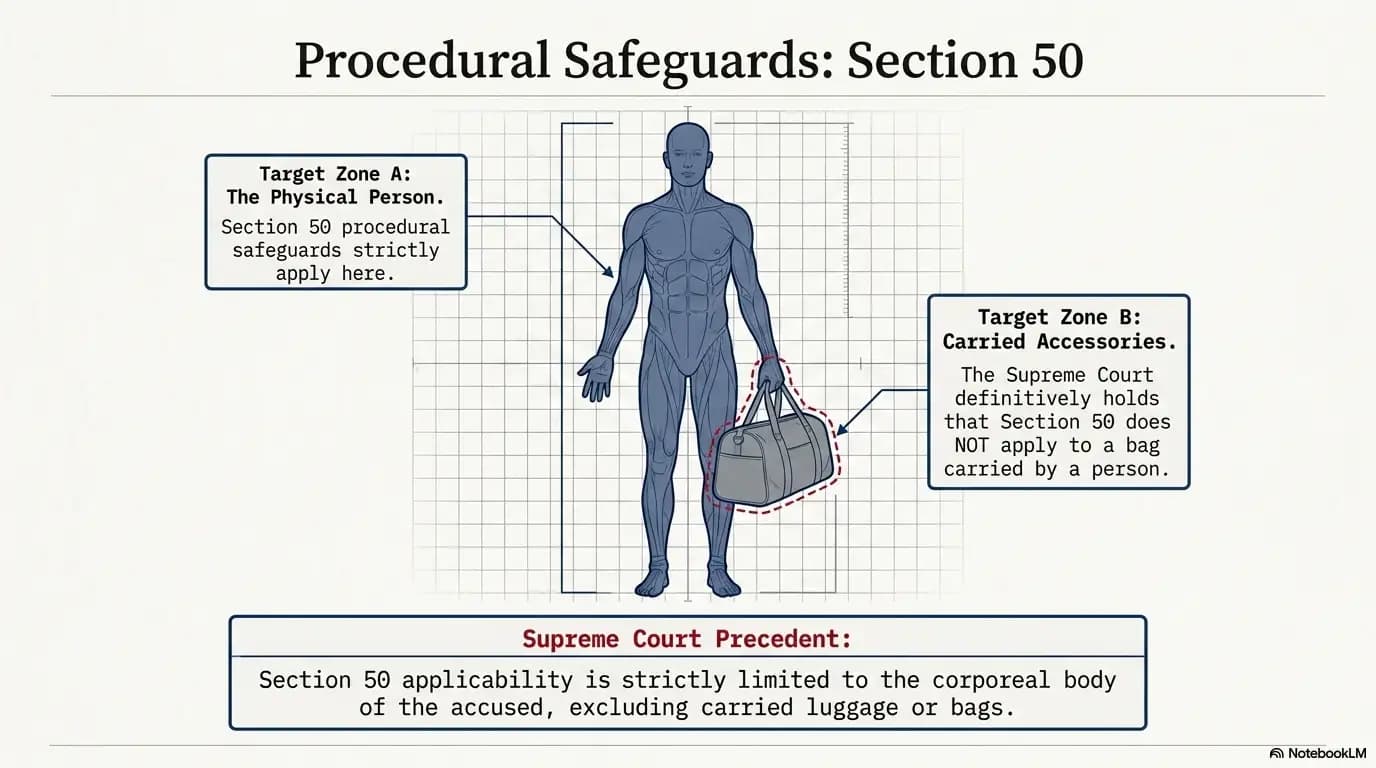
Does Section 50 search protection apply to bags carried by persons?
Aug 2, 2026