Explain the Merchant Discount Rate controversy for prepaid wallet payments.
The Merchant Discount Rate (MDR) controversy regarding prepaid payment instruments (PPI), such as digital wallets, on the Unified Payments Interface (UPI) stems from a conflict between the government’s mandate for free digital payments and the industry's need for a sustainable revenue model.
The controversy can be broken down into several key areas:
Live Test Series
Join thousands of aspirants in our weekly live mock tests. Get real-time ranking and detailed analysis.
1. The Core Policy Shift
Traditionally, UPI transactions were entirely free for both users and merchants because the government waived the MDR to drive mass adoption and curb the cash economy. However, effective April 1, 2023, the National Payments Corporation of India (NPCI) introduced an interchange fee of up to 1.1% for merchant transactions exceeding ₹2,000 when made using prepaid wallets. While this is technically an "interchange fee" paid by the merchant's bank to the wallet issuer, it is a component of the MDR ultimately borne by the merchant.
2. Legal Challenges (The "UPI-Law")
A major point of contention, highlighted by experts like Professor Ashish Das of IIT Bombay, is that these charges may violate the Payment and Settlement Systems (PSS) Act, 2007.
Section 10A of the Act stipulates that no bank or system provider shall impose any charge on a person making or receiving a payment through prescribed electronic modes, which include UPI and UPI QR codes.
Critics argue that once a wallet transaction is routed over the UPI rail, it becomes a prescribed electronic mode protected by law, making any charge onto the merchant a breach of statutory mandates.
Live NCERT Foundation
Master the basics with our live NCERT classes. The perfect foundation for your UPSC journey.
3. Economic Implications and "Passive Smoking"
The introduction of these fees has created several economic concerns:
Deceptive Discrimination: Merchants may make less profit from consumers paying via prepaid wallets compared to those using standard bank-account-linked UPI, where MDR remains zero.
Cross-Subsidization: Because merchants cannot easily surcharge only wallet users, they may build these transaction costs into their overall selling prices. This leads to an effect described as "passive smoking": regular UPI users (non-smokers) end up subsidising the convenience of wallet users (smokers) by paying higher prices for goods and services.
Operational Defects: While interoperability allows a wallet from one app (e.g., PhonePe) to scan a QR code from another (e.g., Paytm), merchants might refuse these payments if they are unwilling to bear the associated charges, undermining the "Har Payment Digital" initiative.
Advanced GS Course
Deep dive into General Studies with our comprehensive expert-led modules.
4. Industry vs. Public Interest
The industry argues that the zero-MDR model is unsustainable. Banks and payment platforms incur real costs for technology, infrastructure, and fraud management that a flat subsidy cannot fully cover. They view MDR on wallets—which do not earn interest for the issuer unlike bank accounts—as necessary for stability and innovation.
Conversely, the government maintains that the vast majority of transactions remain free and that any future MDR will be threshold-based and limited to specific, high-value categories to ensure UPI remains a "public good".
Explain UPI Charges on payments?
Aug 13, 2026

How does Chilika Lake's unique ecology support local livelihoods and wildlife?
Aug 4, 2026

Explain the significance of the 2026 Supreme Court sex work judgment.
Aug 3, 2026
Ethics and Infrastructure (GS Paper IV)
Aug 3, 2026
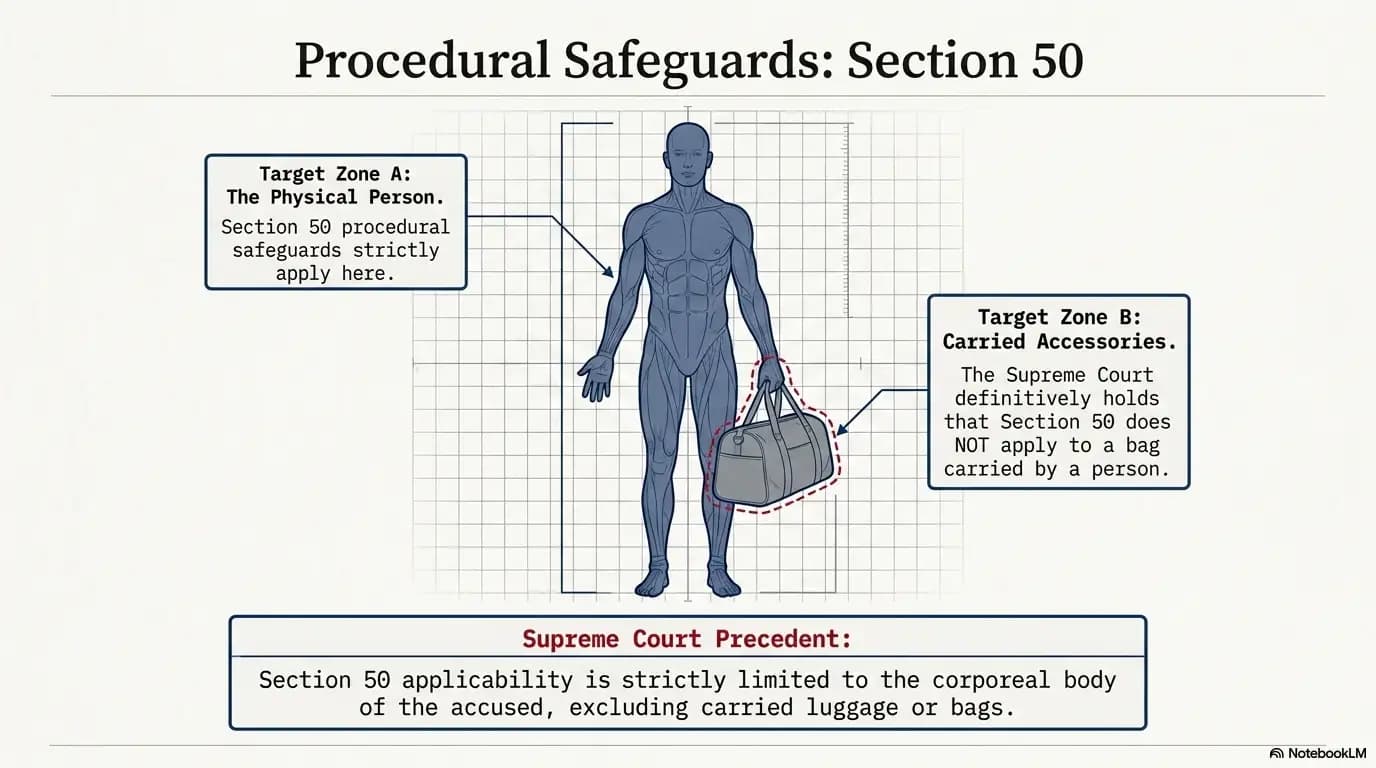
Does Section 50 search protection apply to bags carried by persons?
Aug 2, 2026