
Sugarcane Pricing: Centre Sets Up Committee on FRP and Sugar MSP Amid Farmer Protests
Sugarcane cultivators in Karnataka have launched demonstrations seeking an upward revision in the statutory pricing benchmarks for sugarcane and sugar. In response, the Union Government resolved to establish a four-member committee chaired by agricultural scientist Ramesh Chand to assess demands related to the Fair and Remunerative Price (FRP) for sugarcane and the Minimum Selling Price (MSP) for sugar. Despite welcoming the committee's formation, farm leaders have maintained their agitation, seeking an FRP of ₹5,500 per tonne for sugarcane and a revised sugar MSP of ₹60 per kilogram.
Significance for UPSC
Agricultural price policies and support mechanisms represent critical components of the rural economy and public policy. The pricing architecture of sugarcane highlights the complex balance between guaranteeing fair remuneration for farmers, preserving the operational viability of agro-processing mills, and managing broader consumer price levels.
Live Test Series
Join thousands of aspirants in our weekly live mock tests. Get real-time ranking and detailed analysis.
Key Aspects of the Pricing Framework
Sugarcane and sugar prices operate through distinct regulatory mechanisms:
- Fair and Remunerative Price (FRP): Unlike traditional minimum support prices where government agencies act as buyers of last resort, the FRP is a statutory benchmark that sugar mills are legally mandated to pay to sugarcane farmers for cane delivered to factories.
- Minimum Selling Price (MSP) of Sugar: The Union Government introduced a floor price for processed sugar in the open market to ensure that sugar factories generate adequate revenue from sugar sales to discharge their FRP payment obligations to growers.
- Dual Price Demands and Industrial Intermediaries: Farmer representatives have proposed tiered pricing structures, arguing that industrial buyers and retail domestic consumers could be treated distinctly to prevent farmer income depression while cushioning common household expenditures.
Reported by The Hindu — National

Tamil Nadu Mobilises Multi-Agency Preparedness and Zone-Level Administration for Northeast Monsoon
Oct 15, 2026
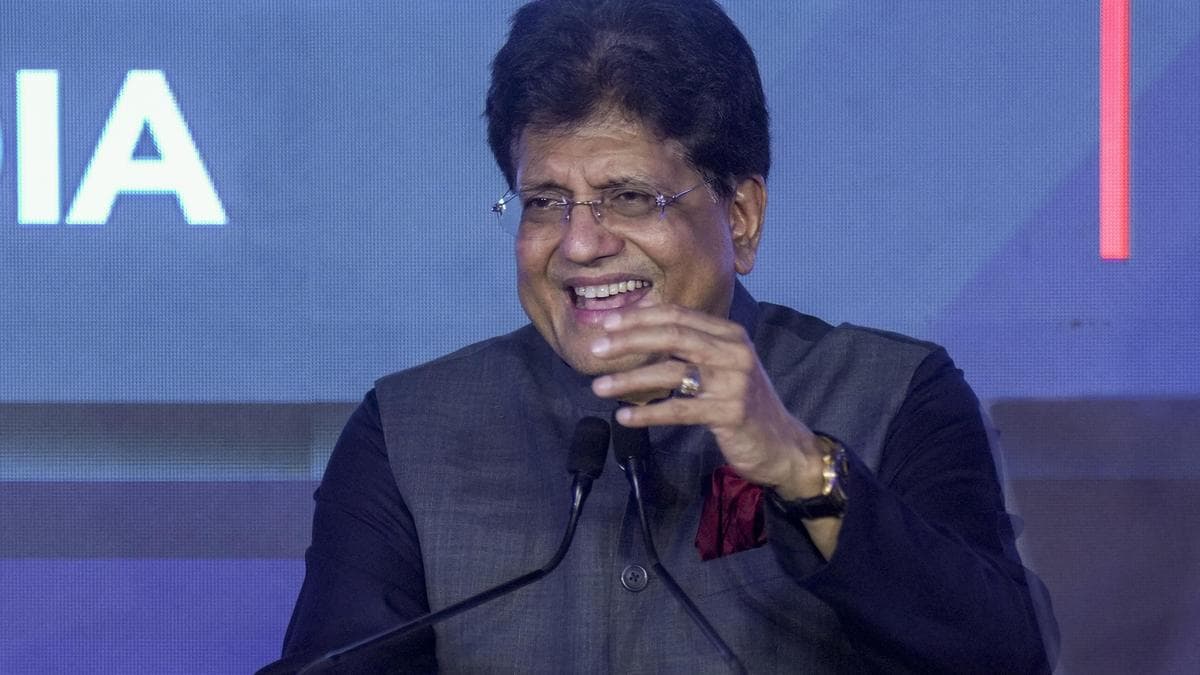
India-US Bilateral Trade Negotiations and Tariff Headwinds
Oct 15, 2026
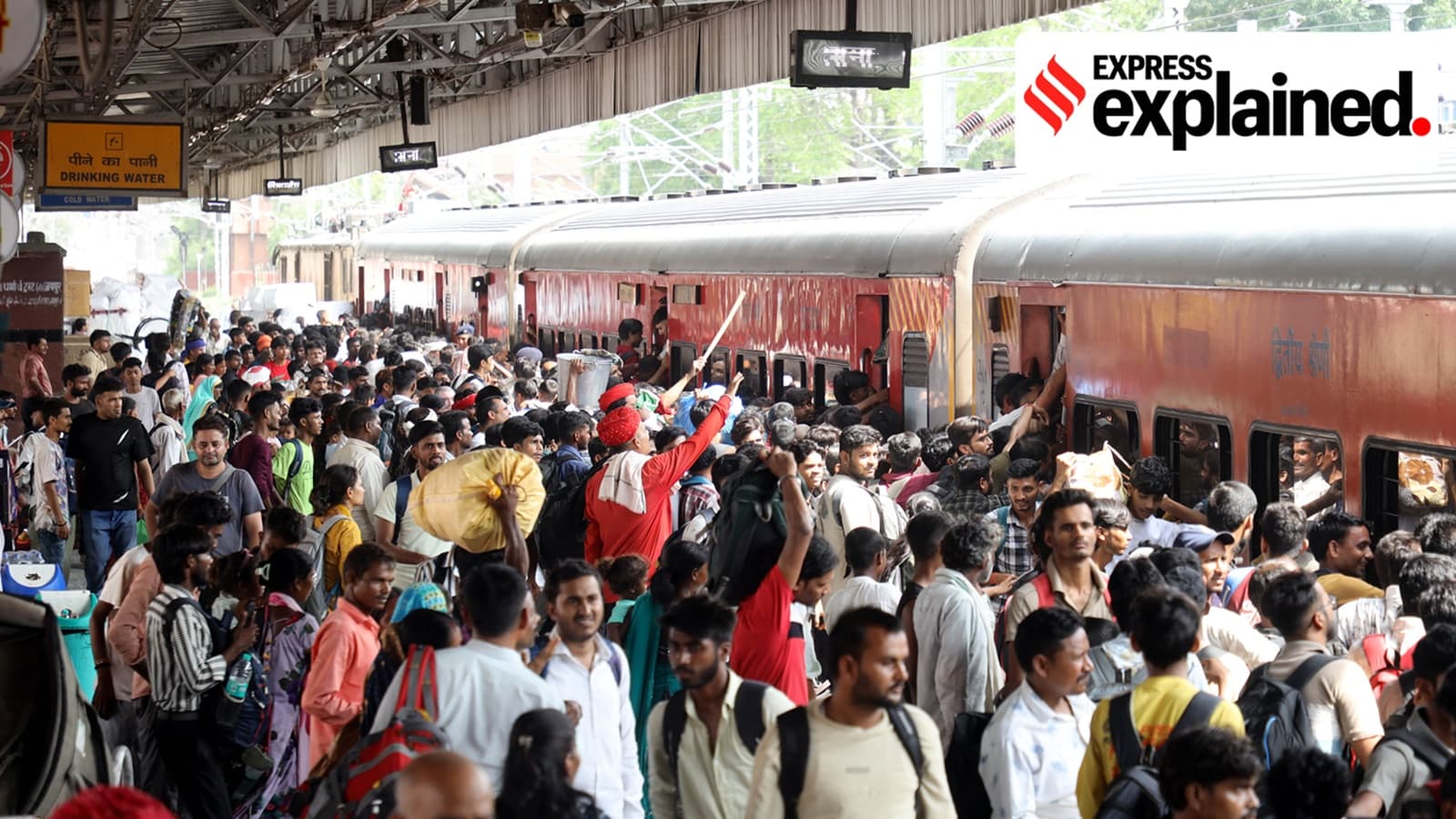
Supreme Court Mandates Passenger Insurance Coverage for Offline Railway Counter Bookings
Oct 15, 2026
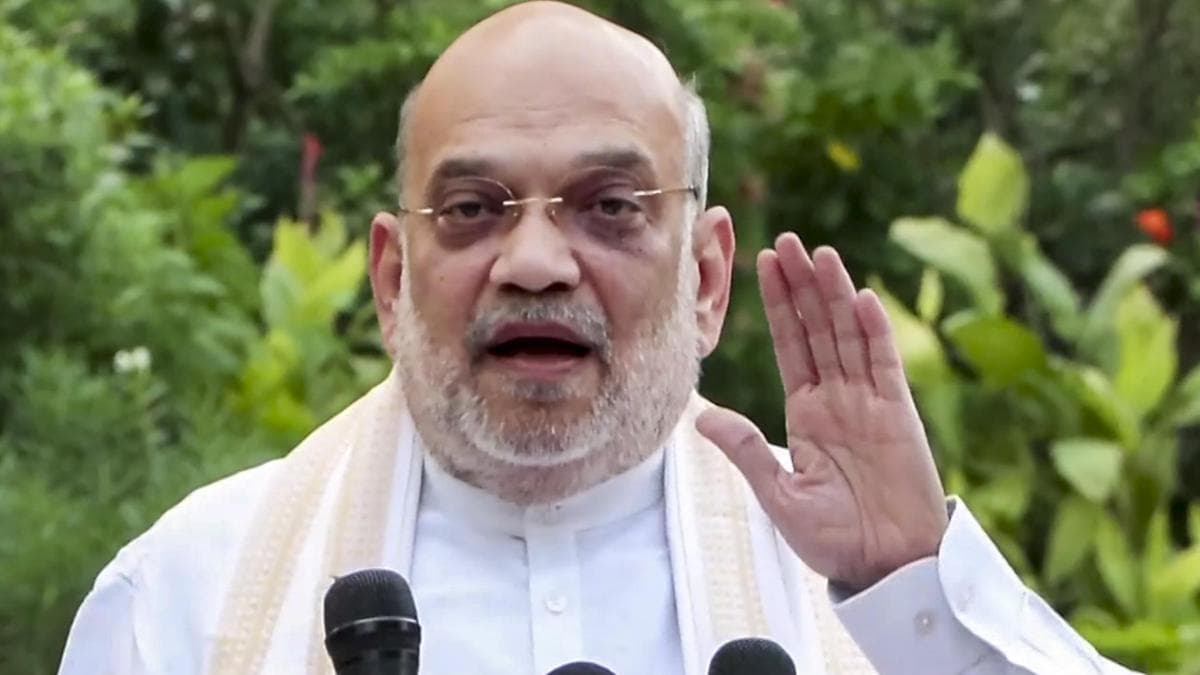
Home Minister Amit Shah announces disability assistance and rehabilitation measures for Naxal-affected areas in Chhattisgarh
Oct 15, 2026

Tamil Nadu CM urges Centre to secure release of 25 fishermen detained by Maldives
Oct 15, 2026