
Tamil Nadu Mobilises Multi-Agency Preparedness and Zone-Level Administration for Northeast Monsoon
On October 15, 2026, Tamil Nadu announced that the state had completed nearly 98% of its precautionary and preparedness measures to handle the impending Northeast monsoon. Addressing administrative reviews, the Minister for Revenue and Disaster Management, K.A. Sengottaiyan, confirmed that emergency mechanisms across healthcare facilities, community feeding centres such as Amma Unavagams, and educational institutions designated as temporary rehabilitation shelters had been evaluated. For Chennai, an oversight team led by Minister for Public Works Aadhav Arjuna was established, with Indian Administrative Service (IAS) officers appointed across all 15 municipal zones to coordinate ground-level rescue and mitigation operations.
Significance for the UPSC Syllabus
Monsoon preparedness and institutional responses form an integral part of the Disaster Management and Governance syllabus:
Live Test Series
Join thousands of aspirants in our weekly live mock tests. Get real-time ranking and detailed analysis.
- Urban Disaster Governance: Large urban centres face acute vulnerabilities during heavy rainfall events. Decentralising crisis management by deploying senior administrative officers to specific municipal zones improves command, control, and rapid emergency relief.
- Climate Drivers and Regional Meteorology: The Northeast monsoon serves as the primary precipitation source for Tamil Nadu. Understanding its behavior, seasonal progression from October into November, and its potential interaction with atmospheric phenomena such as a Super El Niño is central to physical geography.
- Inter-Agency Coordination: Proactive collaboration among departments—such as disaster management, public works, revenue, and agriculture—ensures institutional continuity, shelter readiness, food logistics, and systematic post-disaster crop loss appraisals.
Key Operational and Climatological Aspects
Authorities projected that the Northeast monsoon would bring moderate rainfall in October before intensifying across November. State planning has explicitly accounted for potential weather anomalies linked to a Super El Niño. On the administrative front, institutional measures include reserving educational facilities as safe relief camps, ensuring hospitals maintain uninterrupted readiness, and utilizing Amma Unavagams for disaster-time food security. In rural areas, the Revenue and Agriculture Departments have been tasked with jointly compiling assessments and fiscal estimates for drought-affected standing crops by December.
Reported by The Hindu — National

India-US Bilateral Trade Negotiations and Tariff Headwinds
Oct 15, 2026
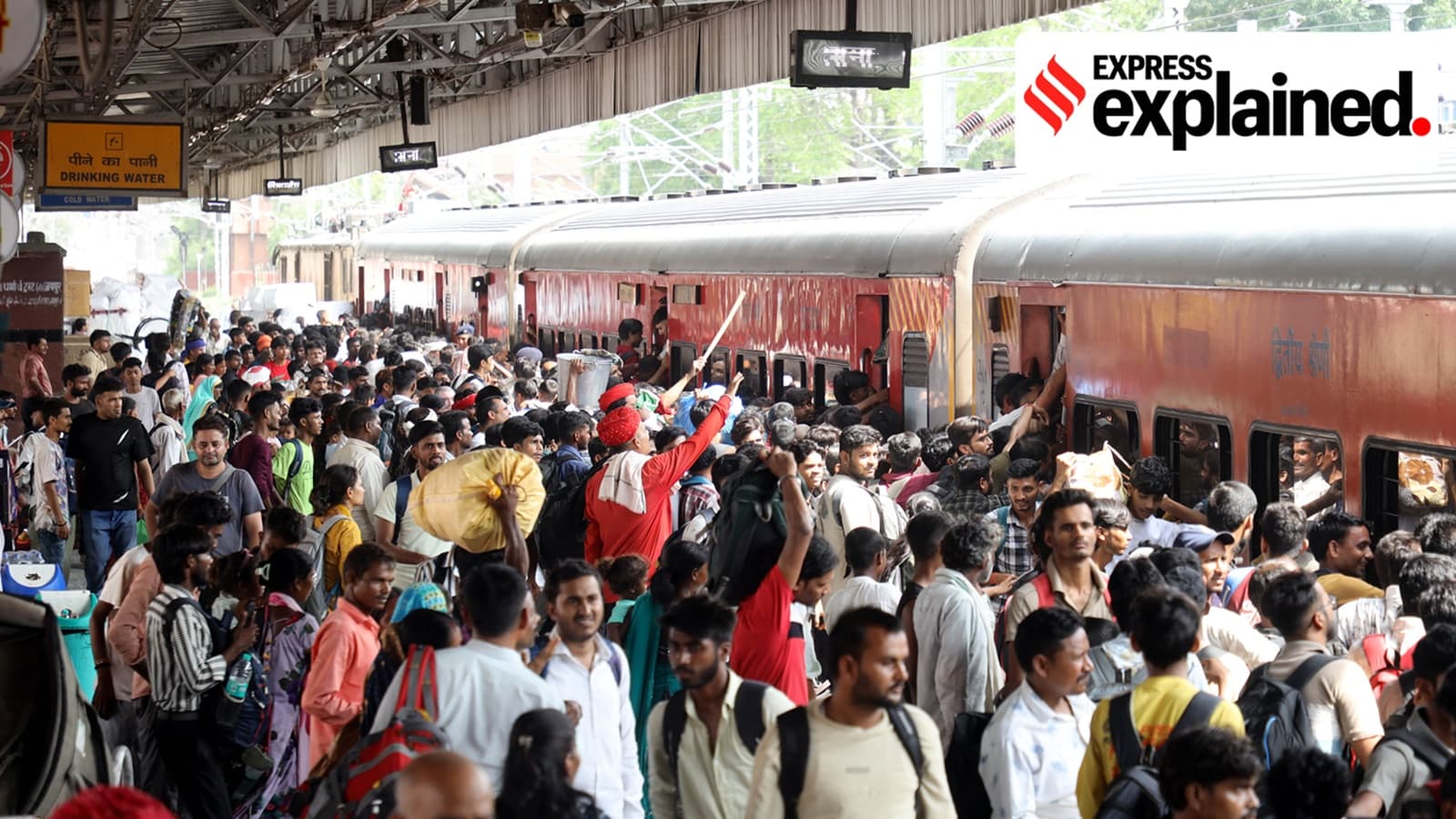
Supreme Court Mandates Passenger Insurance Coverage for Offline Railway Counter Bookings
Oct 15, 2026

Home Minister Amit Shah announces disability assistance and rehabilitation measures for Naxal-affected areas in Chhattisgarh
Oct 15, 2026

Tamil Nadu CM urges Centre to secure release of 25 fishermen detained by Maldives
Oct 15, 2026

Delhi Police and Home Ministry Defend Preventive Curbs and Telecom Suspension Before Supreme Court
Oct 15, 2026