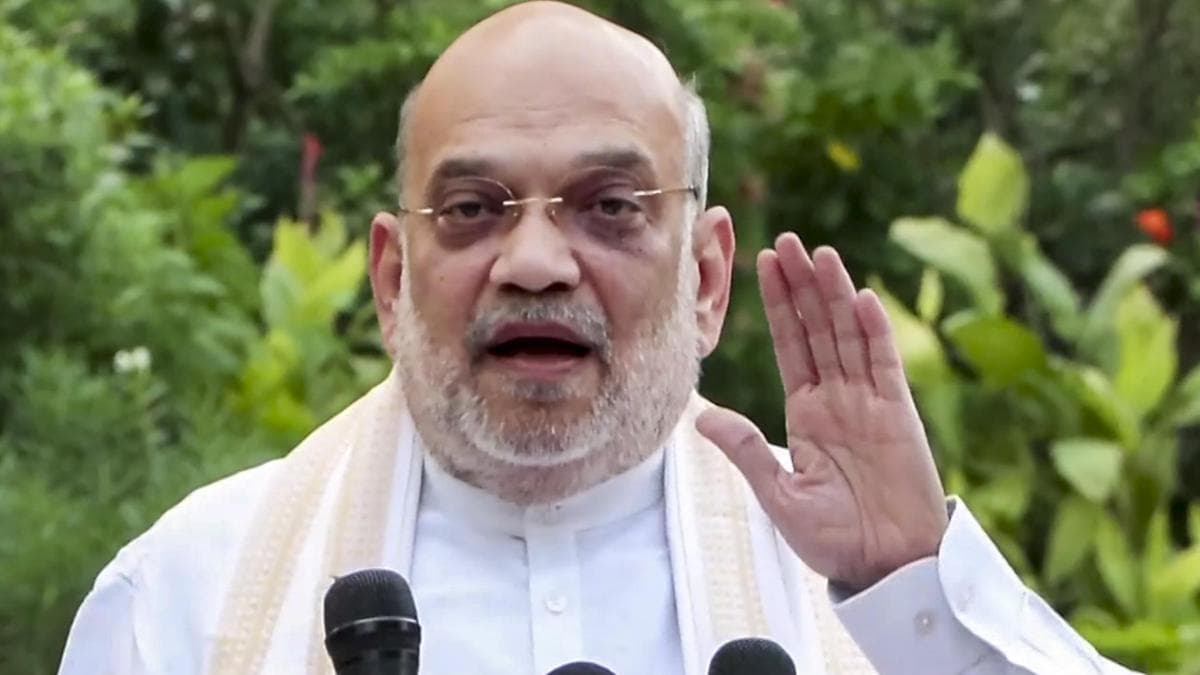
Home Minister Amit Shah announces disability assistance and rehabilitation measures for Naxal-affected areas in Chhattisgarh
What happened: On 15 October 2026 Union Home Minister Amit Shah addressed a virtual ceremony focused on the rehabilitation of people affected by left‑wing extremism in Chhattisgarh. He highlighted a disability‑assistance programme conducted in Jagdalpur from 5‑7 October, which benefitted more than 3,600 persons with disabilities, including about 1,570 in the Bastar region.
Why it matters for UPSC
The episode is directly relevant to the internal security syllabus, specifically the Naxalite‑Maoist insurgency and the government's post‑conflict development strategy. It showcases the shift from a purely security‑centric approach to a development‑oriented model that integrates welfare schemes, livelihood creation, and infrastructure building to address the root causes of insurgency.
Live Test Series
Join thousands of aspirants in our weekly live mock tests. Get real-time ranking and detailed analysis.
For candidates, the details provide concrete data to answer questions on counter‑insurgency, rehabilitation of former combatants, and the role of central schemes in conflict‑affected zones. The numbers disclosed—8,526 Maoists surrendered, 7,500 bank accounts opened, 1,625 reward disbursements, 7,882 incentive payments, 455 jobs created, and 129 land parcels allotted—serve as quantitative anchors for answer‑writing.
Background and policy context
- Rehabilitation framework: The Ministry of Home Affairs, under the ‘Integrated Approach to Naxal‑Affected Areas’, aims to convert former security camps into service centres delivering health, education, and employment services.
- Disability assistance: The programme distributes assistive devices such as artificial limbs, wheelchairs, tricycles, hearing aids and walking sticks, addressing the long‑term impact of conflict on civilians.
- Complementary schemes: Shah mentioned the Bastar Olympics (sports promotion), Bastar Pandum (revival of tribal art and culture) and the Niyad Nellanar scheme (basic infrastructure in remote villages). These initiatives exemplify the ‘development‑first’ narrative in conflict zones.
- Strategic significance: By integrating security‑to‑service conversion, the government seeks to deny insurgents the space to regroup, while fostering goodwill among tribal populations—a key factor in sustainable peace.
Understanding these measures equips aspirants to discuss how India balances hard security actions with soft‑power development interventions, a recurring theme in both General Studies Paper II (Governance) and Paper III (Internal Security).
Reported by The Hindu — National

Tamil Nadu Mobilises Multi-Agency Preparedness and Zone-Level Administration for Northeast Monsoon
Oct 15, 2026
India-US Bilateral Trade Negotiations and Tariff Headwinds
Oct 15, 2026
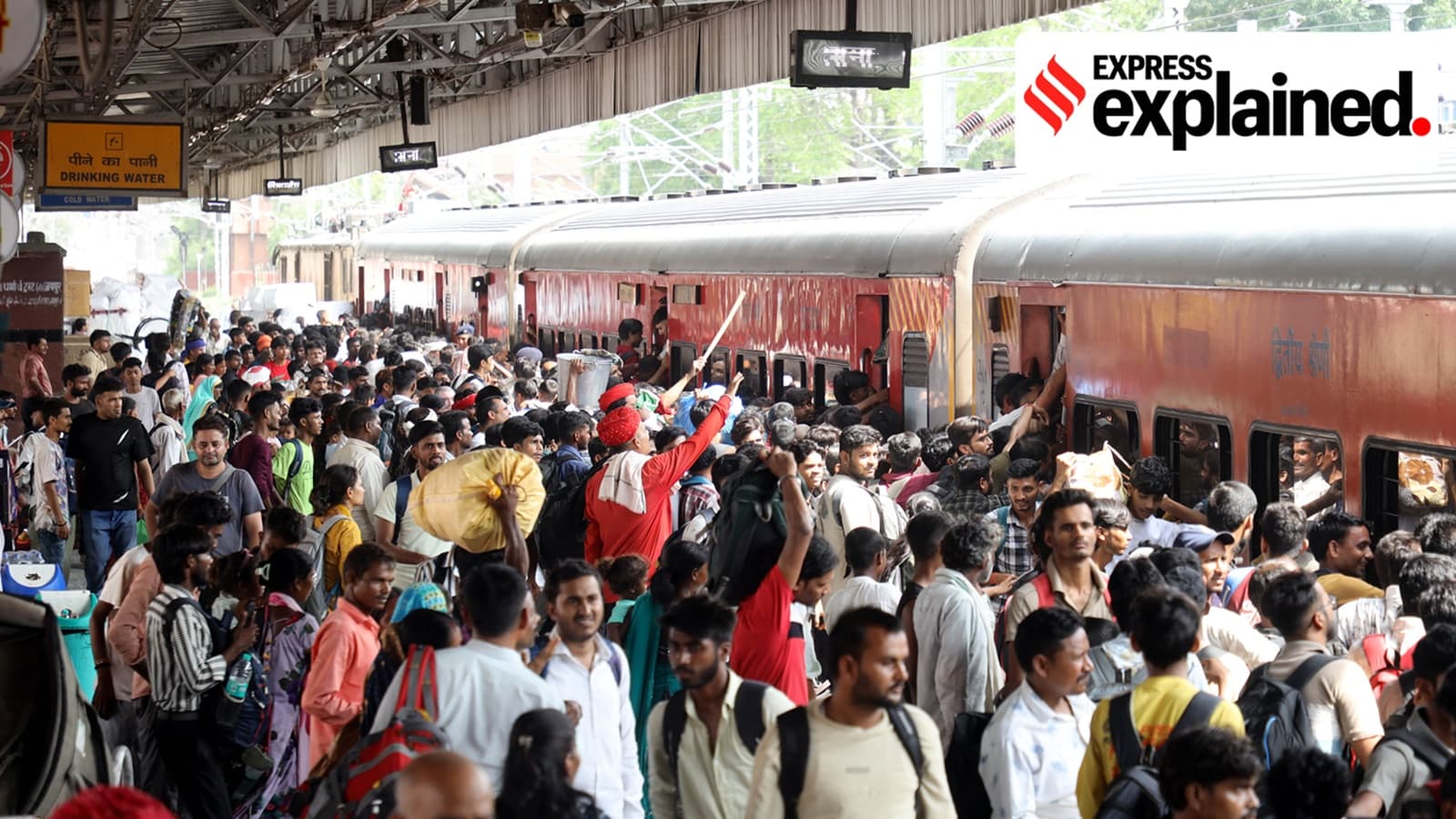
Supreme Court Mandates Passenger Insurance Coverage for Offline Railway Counter Bookings
Oct 15, 2026

Tamil Nadu CM urges Centre to secure release of 25 fishermen detained by Maldives
Oct 15, 2026

Delhi Police and Home Ministry Defend Preventive Curbs and Telecom Suspension Before Supreme Court
Oct 15, 2026