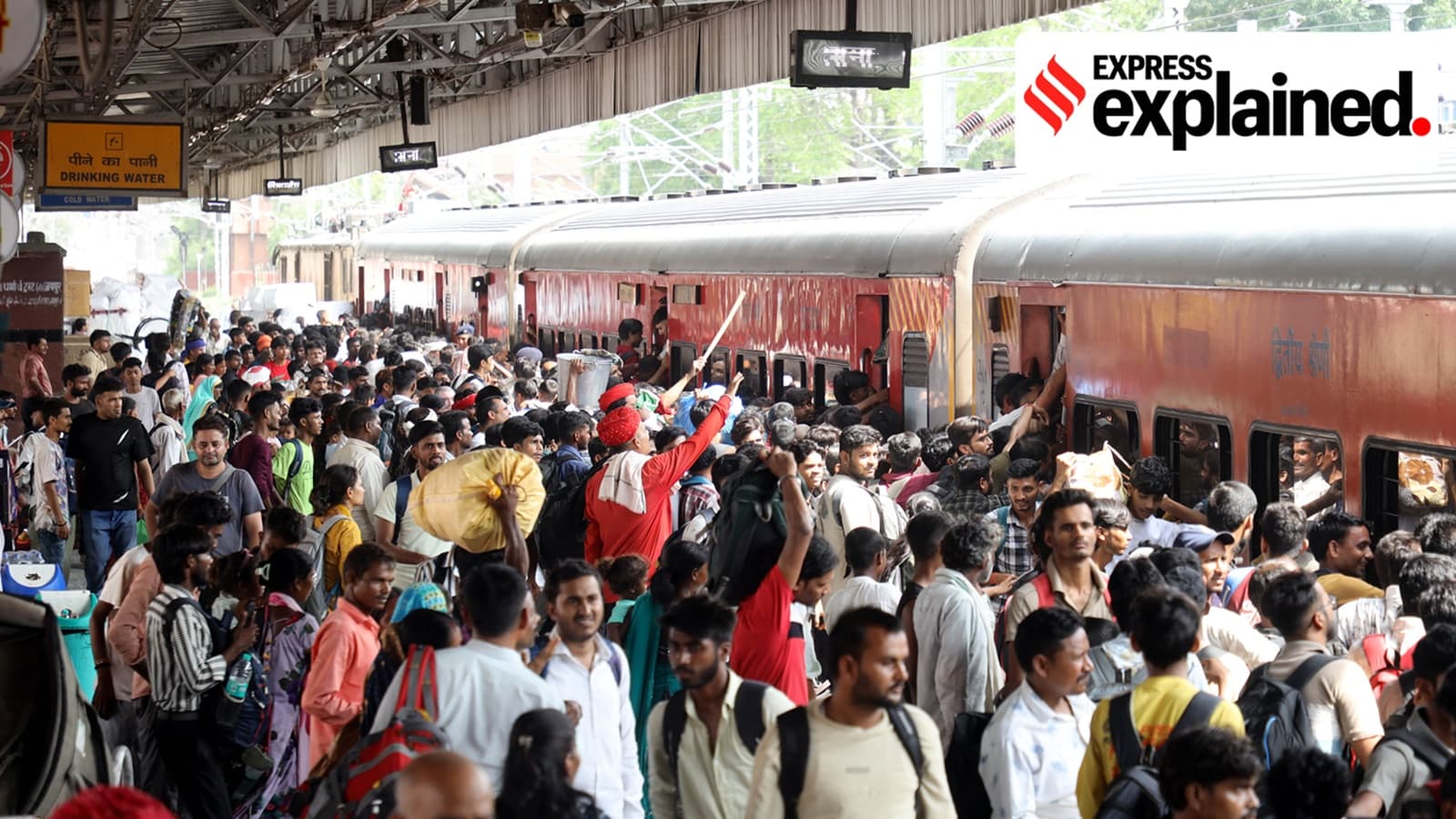
Supreme Court Mandates Passenger Insurance Coverage for Offline Railway Counter Bookings
The Supreme Court of India has instructed the Railway Board to broaden its optional passenger insurance scheme to cover passengers purchasing tickets at offline railway reservation counters. Issued in the context of legal proceedings following the June 2023 Balasore train disaster in Odisha that claimed 296 lives, the court set an implementation deadline of October 27, cautioning that a failure to demonstrate significant operational progress could prompt a judicial review of the Railway Board's fitness to remain in office.
Addressing the Socio-Economic and Digital Divide
While digital ticketing initiatives have led to over 87% of reserved railway tickets being booked via online channels, counter bookings remain heavily relied upon by passengers from the most economically vulnerable sections and geographically remote regions. The apex court highlighted that restricting optional insurance exclusively to e-ticket holders disproportionately deprives low-income travellers of financial protection. Bridging this gap is critical for equitable welfare delivery, consumer protection, and administrative justice in public utility services.
Live Test Series
Join thousands of aspirants in our weekly live mock tests. Get real-time ranking and detailed analysis.
Existing Framework and Statutory Liabilities
Under the present Indian Railway Catering and Tourism Corporation (IRCTC) framework, travel insurance is strictly optional, accessible only for online confirmed, RAC, and partially confirmed bookings, and restricted to Indian citizens. Waiting-list passengers, second-class or unreserved travellers, suburban commuters, and children under five years travelling without a berth remain excluded. The coverage, requiring a premium of 45 paise per passenger as fixed on February 17, 2024, provides compensation ranging between Rs 2 lakh and Rs 10 lakh for fatalities, disabilities, injury hospitalisation, and transportation of mortal remains.
Importantly, this insurance operates through third-party insurers and is distinct from the statutory compensation liability mandated under the Railways Act of 1989 for train accidents and untoward incidents, serving as a vital supplemental social safety net during transit emergencies.
Reported by Indian Express — Explained

Tamil Nadu Mobilises Multi-Agency Preparedness and Zone-Level Administration for Northeast Monsoon
Oct 15, 2026
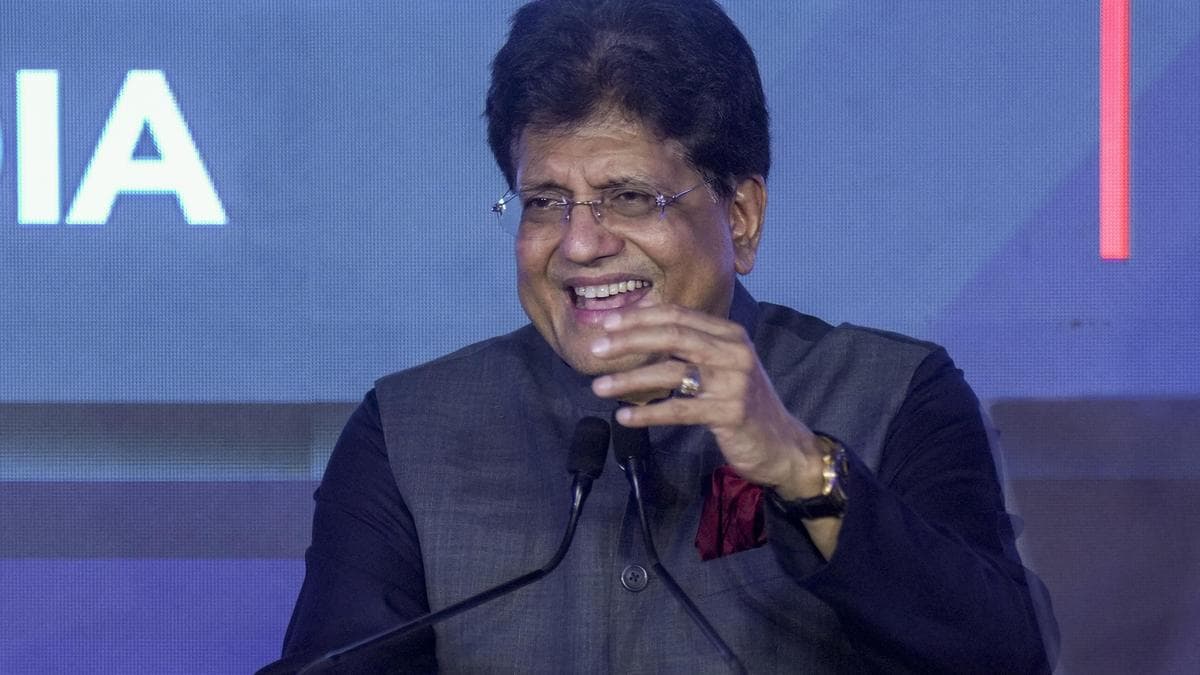
India-US Bilateral Trade Negotiations and Tariff Headwinds
Oct 15, 2026
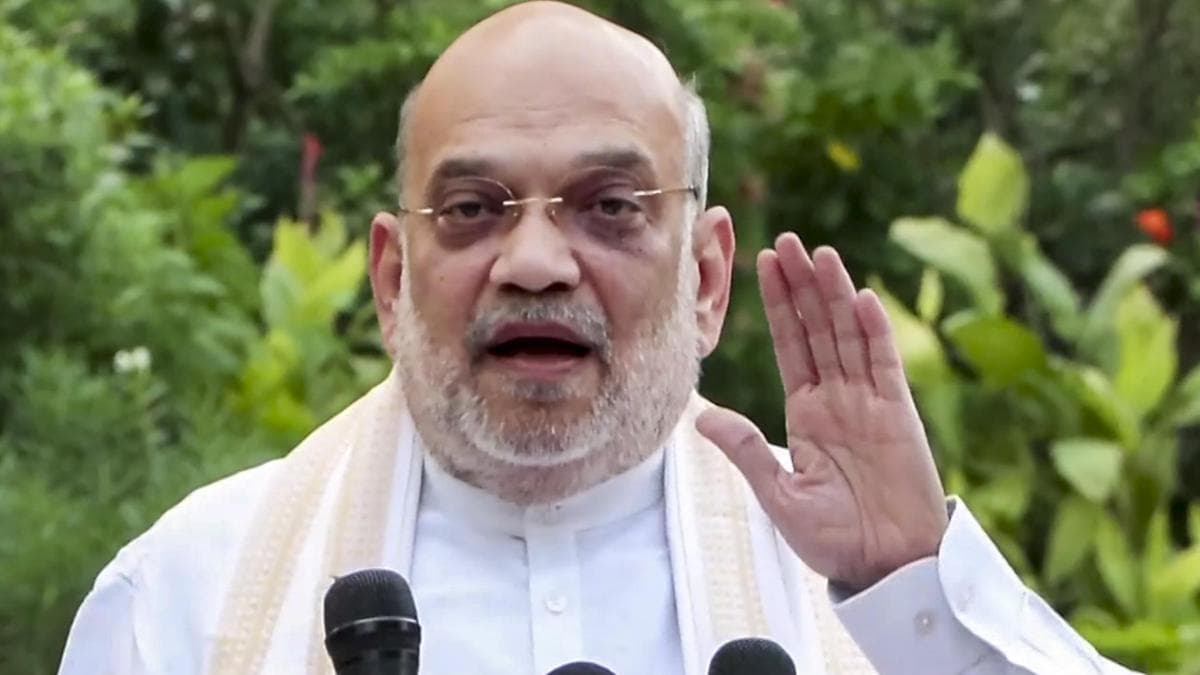
Home Minister Amit Shah announces disability assistance and rehabilitation measures for Naxal-affected areas in Chhattisgarh
Oct 15, 2026

Tamil Nadu CM urges Centre to secure release of 25 fishermen detained by Maldives
Oct 15, 2026

Delhi Police and Home Ministry Defend Preventive Curbs and Telecom Suspension Before Supreme Court
Oct 15, 2026