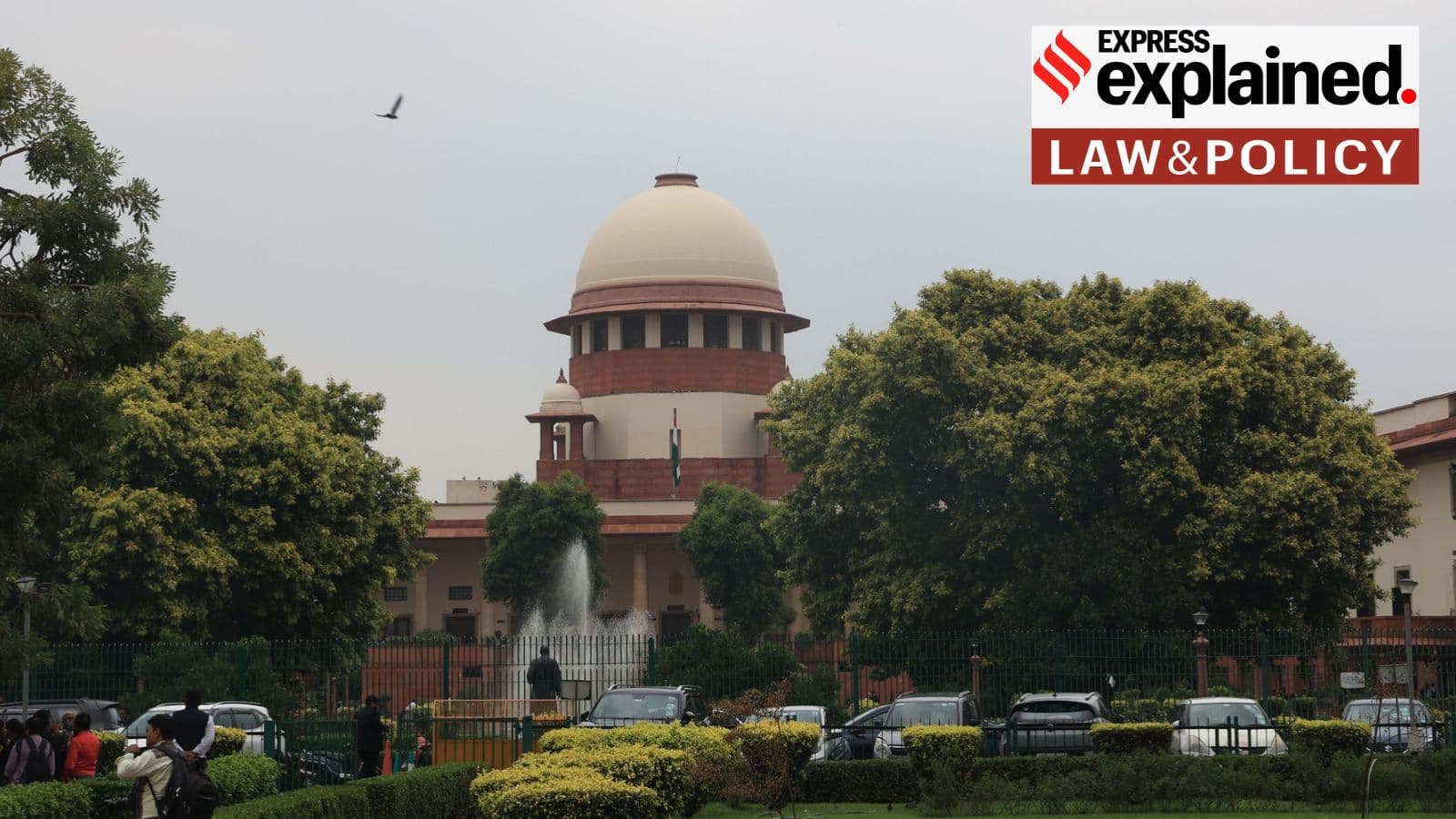
SC Affirms Conversion to Islam Alone Does Not Entitle Individual to BC Reservation
The Supreme Court upheld a Madras High Court judgment ruling that an individual converting from Hinduism to Islam cannot claim reservation under the Backward Class (Muslim) quota merely on the grounds of religious conversion.
Key Findings and Judicial Reasoning
- Community Membership Over Conversion: The verdict upheld the invalidation of a 2024 Tamil Nadu government order that had allowed converts to Islam from certain reserved categories to seek Backward Class status. The bench emphasized that Tamil Nadu recognizes seven specific Muslim groups as backward—including Labbais, Deccanis, and Mapillas. A religious conversion does not automatically integrate a person into one of these historically recognized backward communities.
- Distinction Between BC and SC Regimes: The Court distinguished the legal framework of Backward Classes from that governing Scheduled Castes. Backward Class entitlements require factual membership in socially and educationally backward communities notified by the state.
- Scheduled Caste Status and the 1950 Presidential Order: In contrast, Scheduled Caste classification is strictly governed by the Constitution (Scheduled Castes) Order, 1950, promulgated under Article 341. Paragraph 3 of the Order stipulates that no individual professing a faith other than Hinduism, Sikhism, or Buddhism can be deemed a member of a Scheduled Caste. Referring to a previous ruling regarding a Christian pastor, the Court reiterated that conversion to Christianity immediately eclipses SC status, as constitutional definitions under Article 366(24) and statutory protections under the SC/ST (Prevention of Atrocities) Act are legally inseparable from religious profession.
Significance for UPSC Aspirants
This ruling reinforces the constitutional mechanics governing affirmative action in India. Aspirants should note how the criteria for Backward Classes, established via identified social and educational backwardness, operate independently of the rigid religious boundaries set for Scheduled Castes under Article 341 and Presidential Orders.
Live Test Series
Join thousands of aspirants in our weekly live mock tests. Get real-time ranking and detailed analysis.
Reported by Indian Express — Explained

J&K Waqf Board's Uniform Sermon Proposal: Statutory Oversight vs Religious Autonomy
Oct 15, 2026

Commercial Satellite Networks in Warfare: Strategic Risks of Private Tech Dependencies
Oct 15, 2026
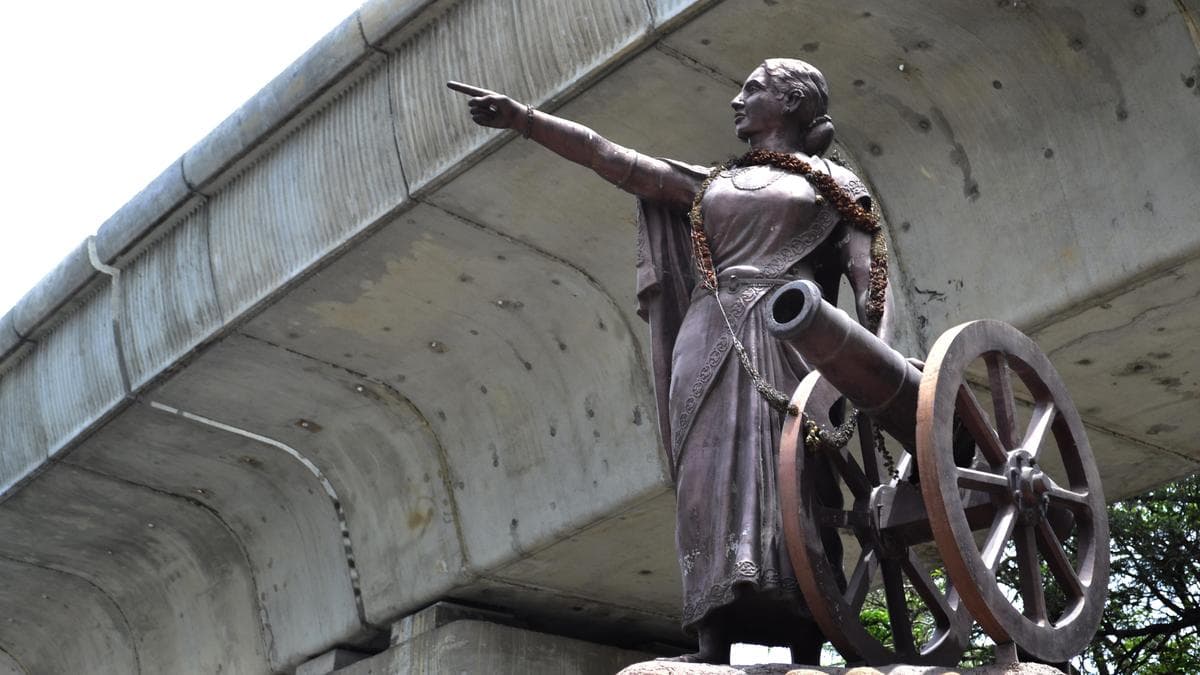
Rani Abbakka Chowta: 16th-Century Maritime Resistance to European Colonial Expansion
Oct 15, 2026
CCEA Approves Fairfax's ₹53,000-Crore Strategic Acquisition of Majority Stake in IDBI Bank
Oct 15, 2026

Sugarcane Pricing: Centre Sets Up Committee on FRP and Sugar MSP Amid Farmer Protests
Oct 15, 2026