
J&K Waqf Board's Uniform Sermon Proposal: Statutory Oversight vs Religious Autonomy
The Jammu and Kashmir Waqf Board initiated plans to establish a core committee of Islamic scholars to formulate uniform topics for Friday sermons delivered across affiliated shrines and mosques in the Union Territory. The Board argued that pre-approved sermon topics would effectively address social challenges such as substance abuse and delayed marriages. However, the initiative triggered strong opposition from regional political parties and religious figures, who characterised it as state interference in religious practice.
Significance for UPSC
The controversy is directly relevant to General Studies Paper II (Polity, Constitution, and Governance):
Live Test Series
Join thousands of aspirants in our weekly live mock tests. Get real-time ranking and detailed analysis.
- Freedom of Religion (Articles 25 and 26): Tests the constitutional demarcation between legitimate state oversight of religious endowments and the impermissible regulation of religious discourse and conscience.
- Statutory Powers under the Waqf Act, 1995: Raises questions regarding the lawful remit of Waqf Boards, specifically whether administrative and financial stewardship extends to guiding pulpits and sermons.
- Institutional Reorganisation Post-2019: Demonstrates the evolving governance structure of Jammu and Kashmir following the extension of the Central Waqf Act and the altered balance between elected representatives and central appointees.
Administrative Background
Following the revocation of Jammu and Kashmir's special status in 2019, the local Waqf administration was brought under the Central Waqf Act, 1995. Prior to this alignment, the state's Chief Minister served as the ex-officio Chairperson of the Board. In 2022, the Union Ministry of Minority Affairs appointed the Board's Chairperson under Section 14(1)(a) of the Central Act for a five-year term. The current dispute underscores ongoing frictions between administrative centralisation of religious endowments and the traditional autonomy maintained by religious institutions.
Reported by The Hindu — National

Commercial Satellite Networks in Warfare: Strategic Risks of Private Tech Dependencies
Oct 15, 2026
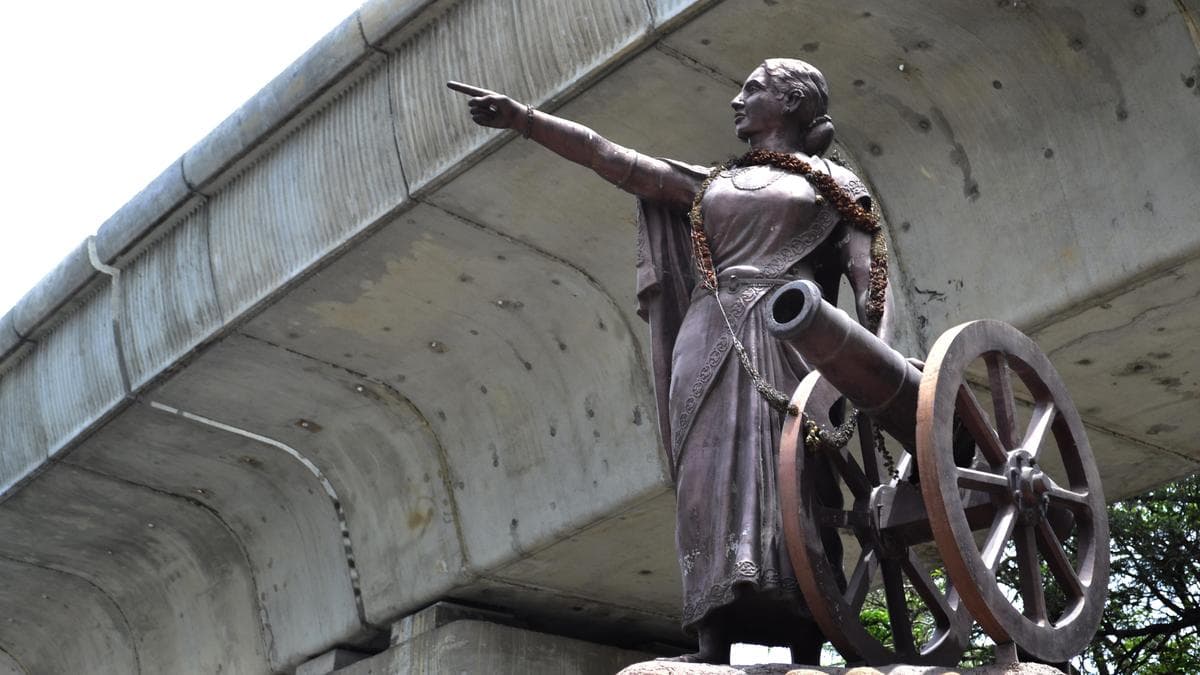
Rani Abbakka Chowta: 16th-Century Maritime Resistance to European Colonial Expansion
Oct 15, 2026
CCEA Approves Fairfax's ₹53,000-Crore Strategic Acquisition of Majority Stake in IDBI Bank
Oct 15, 2026
SC Affirms Conversion to Islam Alone Does Not Entitle Individual to BC Reservation
Oct 15, 2026

Sugarcane Pricing: Centre Sets Up Committee on FRP and Sugar MSP Amid Farmer Protests
Oct 15, 2026