Resolving Pricing and Structural Challenges in India's Sugarcane and Sugar Milling Sector
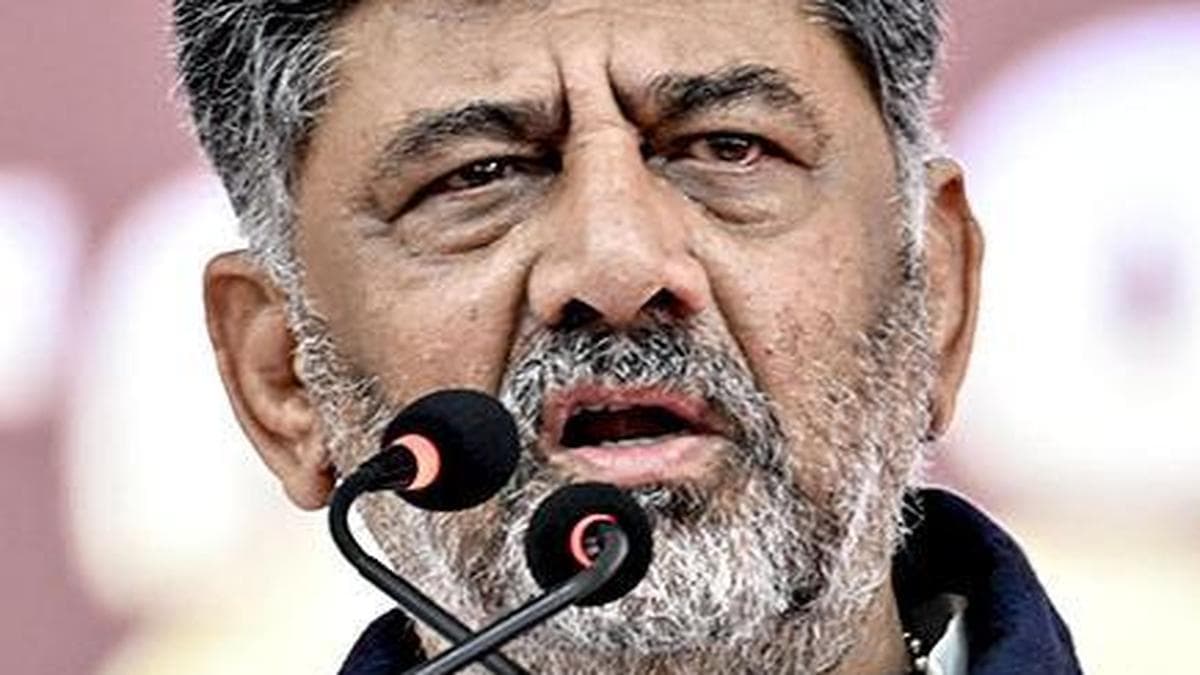
A consultative conference held in Belagavi between state authorities, sugar factory managements, and legislators highlighted the mounting economic strains across India's sugar sector. The discussions focused on finding balanced solutions to bridge the conflicting demands of sugarcane cultivators seeking remunerative returns and milling units grappling with financial liquidity and revenue constraints.
Relevance for UPSC Aspirants
Sugarcane pricing mechanisms, mill economics, and agricultural input supports are core components of General Studies Paper III (Agriculture, Farm Subsidies, and Food Processing). The dynamic between centrally set floors, State Advised Prices (SAP), and agro-industrial viability also directly reflects the realities of cooperative and economic federalism.
Live Test Series
Join thousands of aspirants in our weekly live mock tests. Get real-time ranking and detailed analysis.
Key Issues Facing the Sugarcane Ecosystem
The current impasse stems from multiple structural and market factors across producing states such as Karnataka, Maharashtra, and Uttar Pradesh:
- Sugarcane Procurement Pricing: While earlier state-level revisions fixed the State Advised Price at ₹3,300 per tonne, non-compliance and legal challenges from mills have persisted. In response to rising production costs, farm unions have sought revisions reaching up to ₹6,000 per tonne.
- Stagnant Sugar Selling Prices: Mill viability is heavily constrained because the Union Government has not revised the Minimum Selling Price (MSP) of processed sugar for nearly a decade, limiting the cash flows required by factories to settle dues to growers.
- Ancillary Revenue Dependencies: The financial health of modern sugar factories relies increasingly on value addition beyond refined sugar. This has made federal policy determinations regarding ethanol blending, molasses regulation, and co-generation power tariffs critical determinants of mill solvency. A central panel headed by Ramesh Chand is reviewing these broader pricing questions.
- Climate and Subsidies: Deficient rainfall has suppressed sugarcane yields and total sugar output while inflating resource costs. For instance, the fiscal burden of providing free electricity for irrigation pump sets in Karnataka is estimated to expand from ₹20,000 crore to ₹32,000 crore annually to offset drought-induced pumping requirements.
Addressing the distress demands coordinated national policy intervention that aligns the floor price of sugar with procurement costs while stabilizing revenues from by-products such as ethanol.
Reported by The Hindu — National

12th BRICS Parliamentary Forum Held in New Delhi Emphasising Multilateral Dialogue and Reform
Oct 26, 2026

IIT Madras Study Examines Unequal Labour Market Impacts of Artificial Intelligence in India
Oct 26, 2026

Houthi Missile Attacks Target Saudi Infrastructure Amid Escalating West Asian Regional Conflict
Oct 26, 2026

ICAR-CPRI Develops 'Kufri Jamunia' Biofortified Potato to Tackle Hidden Hunger
Oct 26, 2026
Rupee Weakens Against U.S. Dollar Amid Global Oil Surge and Geopolitical Pressures
Oct 26, 2026