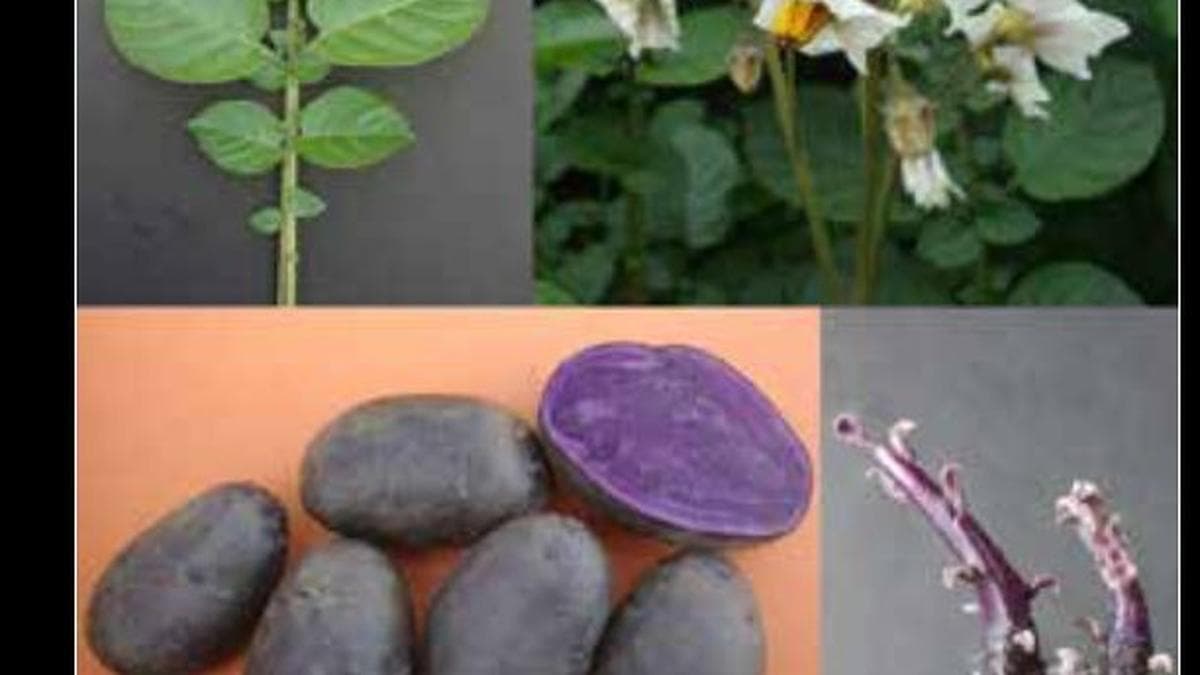
ICAR-CPRI Develops 'Kufri Jamunia' Biofortified Potato to Tackle Hidden Hunger
Scientists at the ICAR-Central Potato Research Institute (CPRI) have developed Kufri Jamunia, a biofortified potato variety distinguished by its purple skin and flesh. Developed by crossing two potato lines (MS/8-1148 and CP4242) in 2015, the variety was approved by the Central Sub-Committee on Crop Standards, Notification and Release of Varieties for Horticultural Crops in mid-2024 and formally notified in November 2024. The Central government has highlighted the crop as an intervention to combat hidden hunger—a condition where individuals consume adequate calories but lack essential micronutrients.
Nutritional Profile and Agronomic Features
The distinctive purple coloration of Kufri Jamunia originates from anthocyanins, which are organic compounds known for antioxidant properties. The variety demonstrates notable nutritional enhancements over conventional varieties:
Live Test Series
Join thousands of aspirants in our weekly live mock tests. Get real-time ranking and detailed analysis.
- Micronutrient Density: Per 100 grams of flesh, Kufri Jamunia provides approximately 42.75 mg of vitamin C (compared to 23.15 mg in regular potatoes), 3.22 mg of iron (against 0.57 mg), 2.28 mg of zinc (against 0.28 mg), and 42.05 mg of anthocyanins.
- Crop Cycle: The plant matures in approximately 90 days, yielding 10 to 12 medium-to-large tubers per plant.
- Productivity: In multi-location field trials across north, central, and eastern India, the variety recorded an overall average yield of 31.96 tonnes per hectare, with 29.19 tonnes per hectare classified as marketable.
Implementation Challenges and UPSC Relevance
For food security and public health strategies, biofortification provides an agricultural solution to malnutrition. However, deploying Kufri Jamunia faces several practical hurdles:
- Pathogen Vulnerability: While demonstrating moderate resistance in laboratory settings, field evaluations revealed the crop is susceptible to late blight, a damaging disease caused by the water mould Phytophthora infestans, necessitating fungicide application.
- Market and Cultural Acceptance: The unconventional purple color and specific mealy texture may affect consumer demand, while farmers may require price premiums to offset lower marketable yields compared to alternatives like Kufri Neelkanth.
- Nutrient Retention and Dietary Habits: Unlike staple grains such as fortified rice that are consumed continuously in predictable portions, potatoes are consumed variably, and micronutrient retention can degrade under conventional cooking practices.
Reported by The Hindu — Science & Tech

12th BRICS Parliamentary Forum Held in New Delhi Emphasising Multilateral Dialogue and Reform
Oct 26, 2026

IIT Madras Study Examines Unequal Labour Market Impacts of Artificial Intelligence in India
Oct 26, 2026

Houthi Missile Attacks Target Saudi Infrastructure Amid Escalating West Asian Regional Conflict
Oct 26, 2026

Resolving Pricing and Structural Challenges in India's Sugarcane and Sugar Milling Sector
Oct 26, 2026

Rupee Weakens Against U.S. Dollar Amid Global Oil Surge and Geopolitical Pressures
Oct 26, 2026