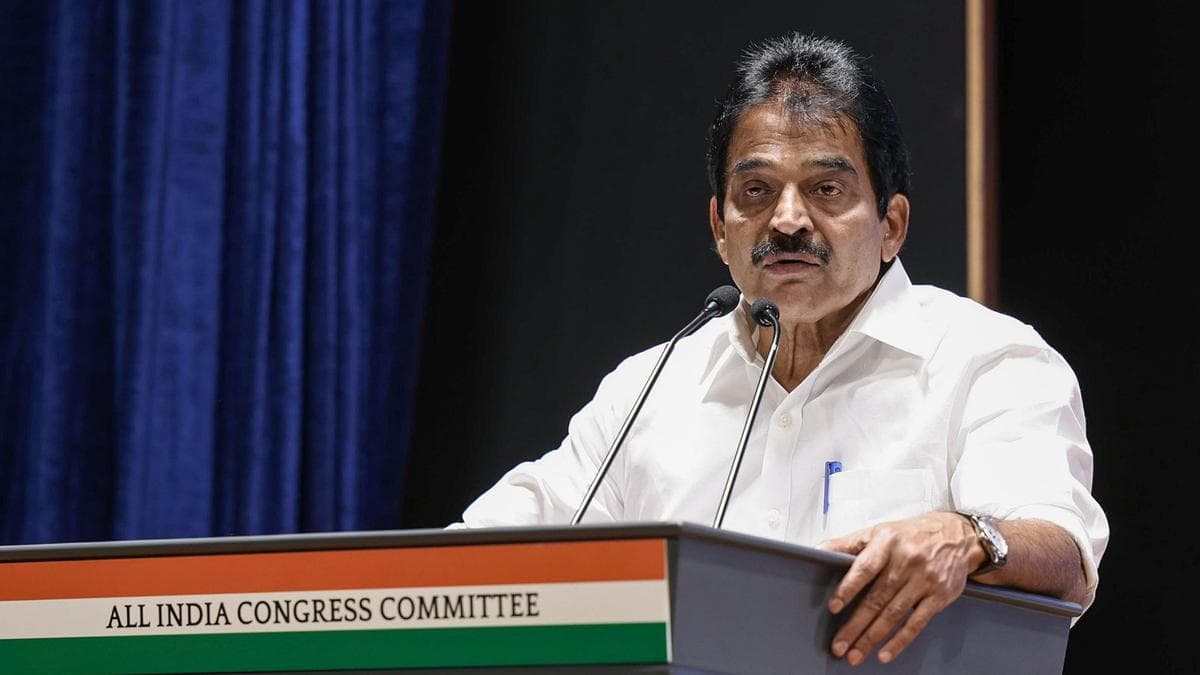
PAC Flags Breach of Privilege Over State Chief Secretaries Skipping Summons
The Public Accounts Committee (PAC) chairperson wrote to the Lok Sabha Speaker seeking action against the Chief Secretaries of six states—Uttar Pradesh, Karnataka, Punjab, Odisha, Bihar, and Madhya Pradesh—for failing to appear before the panel despite official summons. The legislative committee considered this collective absence a breach of privilege, asking the Speaker to take appropriate measures.
Context of the Inquiry
The committee has been scrutinising implementation bottlenecks and irregularities associated with pre-matric and post-matric scholarship programmes intended for Scheduled Caste students. During an earlier review in Jaipur, the panel identified key systemic weaknesses, including:
Live Test Series
Join thousands of aspirants in our weekly live mock tests. Get real-time ranking and detailed analysis.
- Significant delays in onboarding individual states onto the national scholarship portal.
- Gaps in administrative coordination between central ministries and state executing bodies.
- Persistent friction and obstacles in the timely disbursement of allocated welfare funds.
Official notices were issued requiring state administrative heads and relevant departmental secretaries to present evidence alongside officials from the Ministry of Social Justice and Empowerment. While some state welfare and education secretaries attended, none of the summoned Chief Secretaries attended the meeting, nor were exemptions extended to them.
Relevance to Constitutional Governance
For students preparing for the civil services, this development highlights key components of parliamentary oversight and constitutional administration:
- Powers of Parliamentary Committees: Standing and financial panels like the PAC possess the authority to summon individuals, call for official papers, and record evidence under legislative procedure rules. Such mechanisms ensure that executive authorities remain accountable to the legislature.
- Parliamentary Privileges and Breach: Disobedience to direct summons or obstruction of committee functioning can be treated as a breach of parliamentary privilege or contempt of the House, over which the presiding officer holds decisive authority.
- Cooperative Federalism: The delivery of centrally assisted social welfare initiatives requires seamless inter-governmental coordination. Failures of senior state executives to engage with central oversight panels complicate federal accountability frameworks.
Reported by The Hindu — National
12th BRICS Parliamentary Forum Held in New Delhi Emphasising Multilateral Dialogue and Reform
Oct 26, 2026

IIT Madras Study Examines Unequal Labour Market Impacts of Artificial Intelligence in India
Oct 26, 2026

Houthi Missile Attacks Target Saudi Infrastructure Amid Escalating West Asian Regional Conflict
Oct 26, 2026
Resolving Pricing and Structural Challenges in India's Sugarcane and Sugar Milling Sector
Oct 26, 2026

ICAR-CPRI Develops 'Kufri Jamunia' Biofortified Potato to Tackle Hidden Hunger
Oct 26, 2026