
Luiz Inácio Lula da Silva Wins Fourth Presidential Term in Brazil; Aleksandar Vučić Concedes in Serbia
What Happened
In the presidential runoff election held on October 25, 2026, Brazilian President Luiz Inácio Lula da Silva of the Workers' Party secured a historic fourth presidential term. Brazil's electoral court announced that with 100% of the votes counted, the soon-to-be 81-year-old leader gained an unassailable lead of nearly 4.4 million votes over his rival, Flávio Bolsonaro. On the same day in Serbia, long-time leader Aleksandar Vučić conceded defeat after an election pitting him against a student-led opposition movement that had protested his administration for two years.
Relevance to the Syllabus
Major electoral outcomes and shifts in governance across key developing and regional powers are relevant to the study of international relations, geopolitical alignments, and comparative political systems. The election results in Latin America and the Balkan region offer insight into democratic processes, civic movements, and shifting dynamics regarding foreign influence and regional authority.
Live Test Series
Join thousands of aspirants in our weekly live mock tests. Get real-time ranking and detailed analysis.
Background and Context
Luiz Inácio Lula da Silva's re-election consolidates the standing of the Workers' Party and allied democratic forces in Brazil, emphasising policies centred on public welfare, labour rights, and resistance to outside dominance across Latin America. His administration has also been known for sharp foreign policy distinctions, including critique of U.S. President Donald Trump and expanding U.S. influence in the hemisphere. Meanwhile, in Serbia, Aleksandar Vučić had maintained near-absolute authority across a 14-year span. Vučić had served almost two full presidential terms before stepping down from the presidency to seek the position of Prime Minister, entering the campaign with the endorsement of Russian President Vladimir Putin. His eventual concession marks a notable political transition led by sustained grassroots student activism.
Reported by The Hindu — International
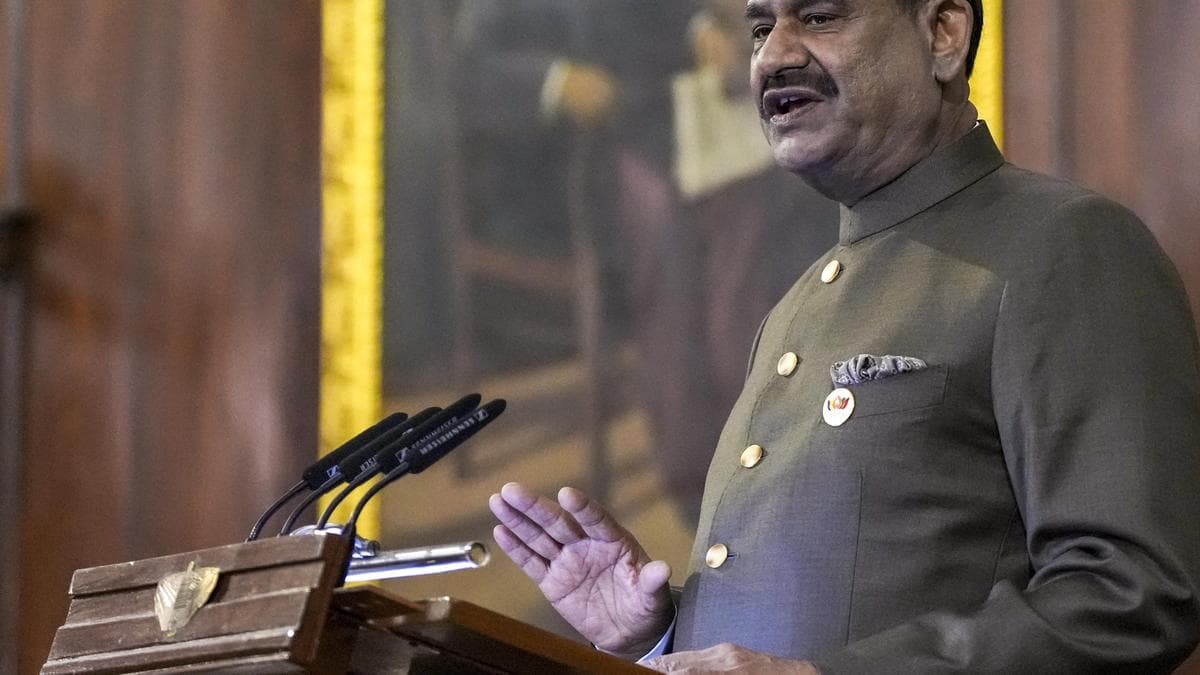
12th BRICS Parliamentary Forum Held in New Delhi Emphasising Multilateral Dialogue and Reform
Oct 26, 2026

IIT Madras Study Examines Unequal Labour Market Impacts of Artificial Intelligence in India
Oct 26, 2026

Houthi Missile Attacks Target Saudi Infrastructure Amid Escalating West Asian Regional Conflict
Oct 26, 2026
Resolving Pricing and Structural Challenges in India's Sugarcane and Sugar Milling Sector
Oct 26, 2026

ICAR-CPRI Develops 'Kufri Jamunia' Biofortified Potato to Tackle Hidden Hunger
Oct 26, 2026