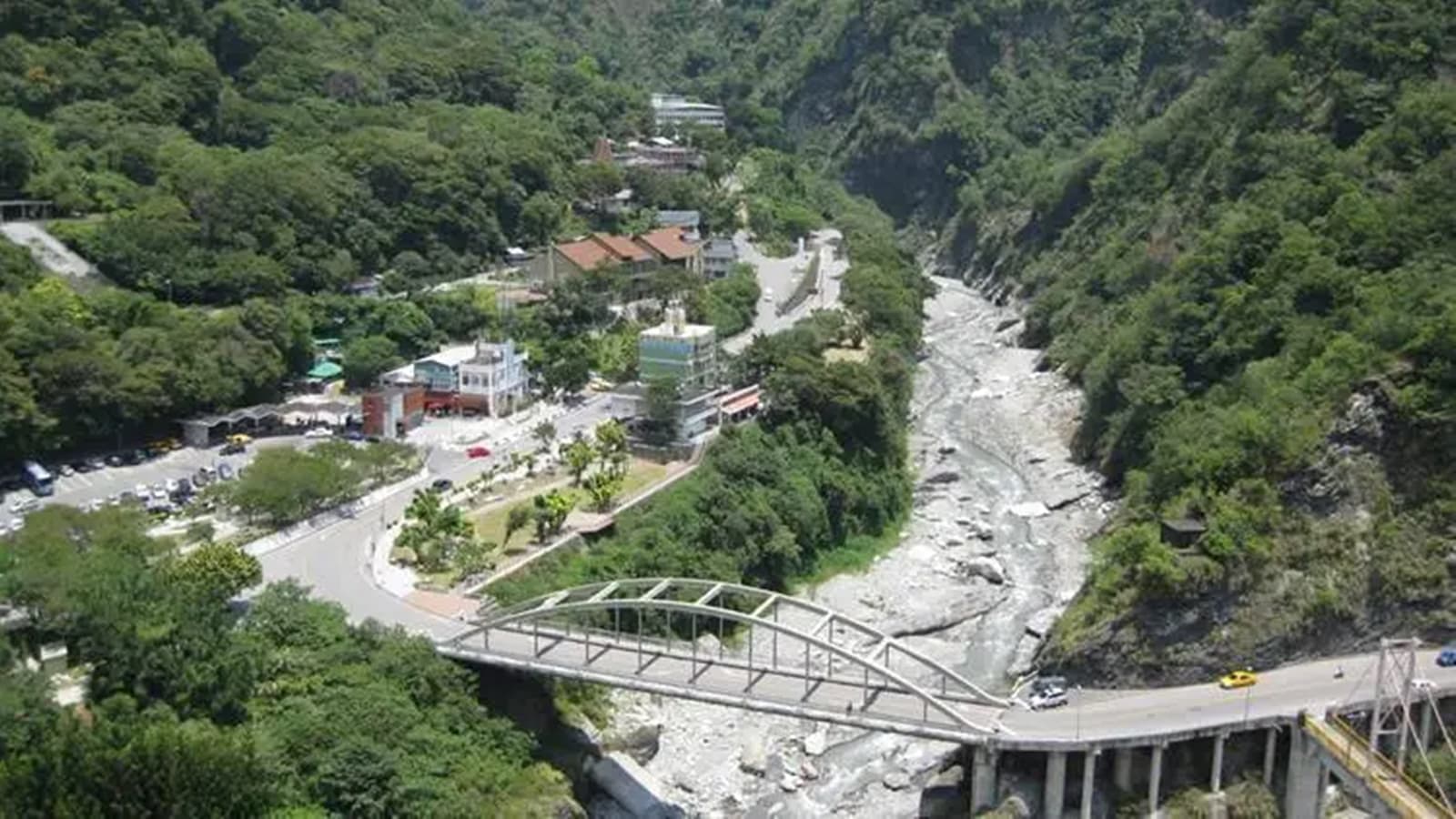
Local Resistance to Siang Upper Multipurpose Project Highlights Strategic and Ecological Dilemmas
Protests against the proposed 11,200-MW Siang Upper Multipurpose Project (SUMP) in Arunachal Pradesh have intensified, resulting in unrest in Pasighat and prompting local authorities to impose prohibitory orders under Section 163 of the Bharatiya Nagarik Suraksha Sanhita (BNSS) across Pasighat, Mebo, and Ruksin. Despite sustained public relations campaigns and corporate social responsibility investments by project developer NHPC Limited, local opposition remains pronounced as the project proceeds through its pre-feasibility survey stage.
Significance for UPSC
The Siang dam project sits at the complex crossroads of transboundary hydro-diplomacy, renewable energy targets, environmental governance, and indigenous rights. From a geopolitical perspective, Indian policymakers view large storage capacity on the Siang River as a vital strategic hedge against upstream dam construction by China on the Yarlung Tsangpo. Establishing prior downstream water usage and storage helps India manage potential water-flow disruptions and flash floods while reinforcing territorial claims. However, executing large hydel projects in the seismically fragile Eastern Himalayas raises severe concerns regarding environmental safety, tribal land alienation, and democratic consensus-building.
Live Test Series
Join thousands of aspirants in our weekly live mock tests. Get real-time ranking and detailed analysis.
Background and Key Issues
- Strategic Imperatives: The SUMP is conceptualised to safeguard downstream water security in the Brahmaputra basin in response to mega-hydropower initiatives being developed across the border in Tibet.
- Local and Environmental Concerns: Sections of the indigenous Adi community and bodies like the Siang Indigenous Farmers’ Forum (SIFF) oppose the dam over fears of widespread land submergence, forced displacement, and irreversible damage to fertile riverbank ecosystems relied upon for agriculture and horticulture.
- Consultative Challenges: The unrest highlights persistent friction between top-down strategic planning and grassroots stakeholder consultation, illustrating the difficulty public sector undertakings face in securing social license for major infrastructure in ecologically and culturally sensitive regions.
Reported by Indian Express — India
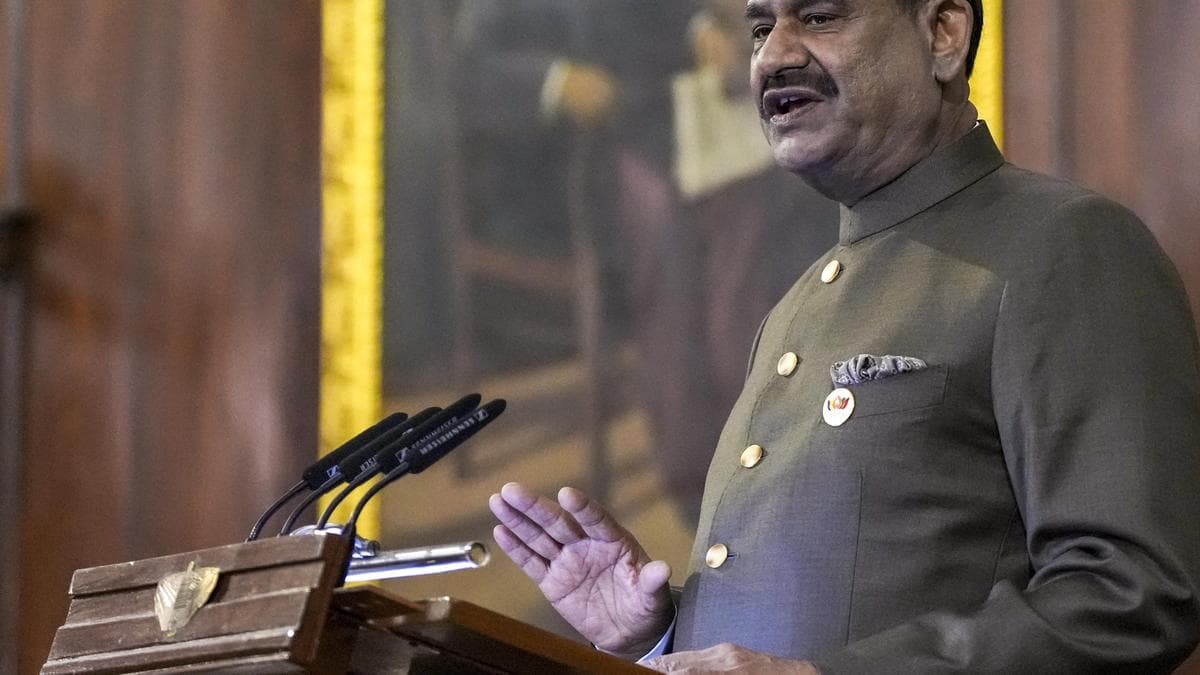
12th BRICS Parliamentary Forum Held in New Delhi Emphasising Multilateral Dialogue and Reform
Oct 26, 2026

IIT Madras Study Examines Unequal Labour Market Impacts of Artificial Intelligence in India
Oct 26, 2026

Houthi Missile Attacks Target Saudi Infrastructure Amid Escalating West Asian Regional Conflict
Oct 26, 2026
Resolving Pricing and Structural Challenges in India's Sugarcane and Sugar Milling Sector
Oct 26, 2026

ICAR-CPRI Develops 'Kufri Jamunia' Biofortified Potato to Tackle Hidden Hunger
Oct 26, 2026