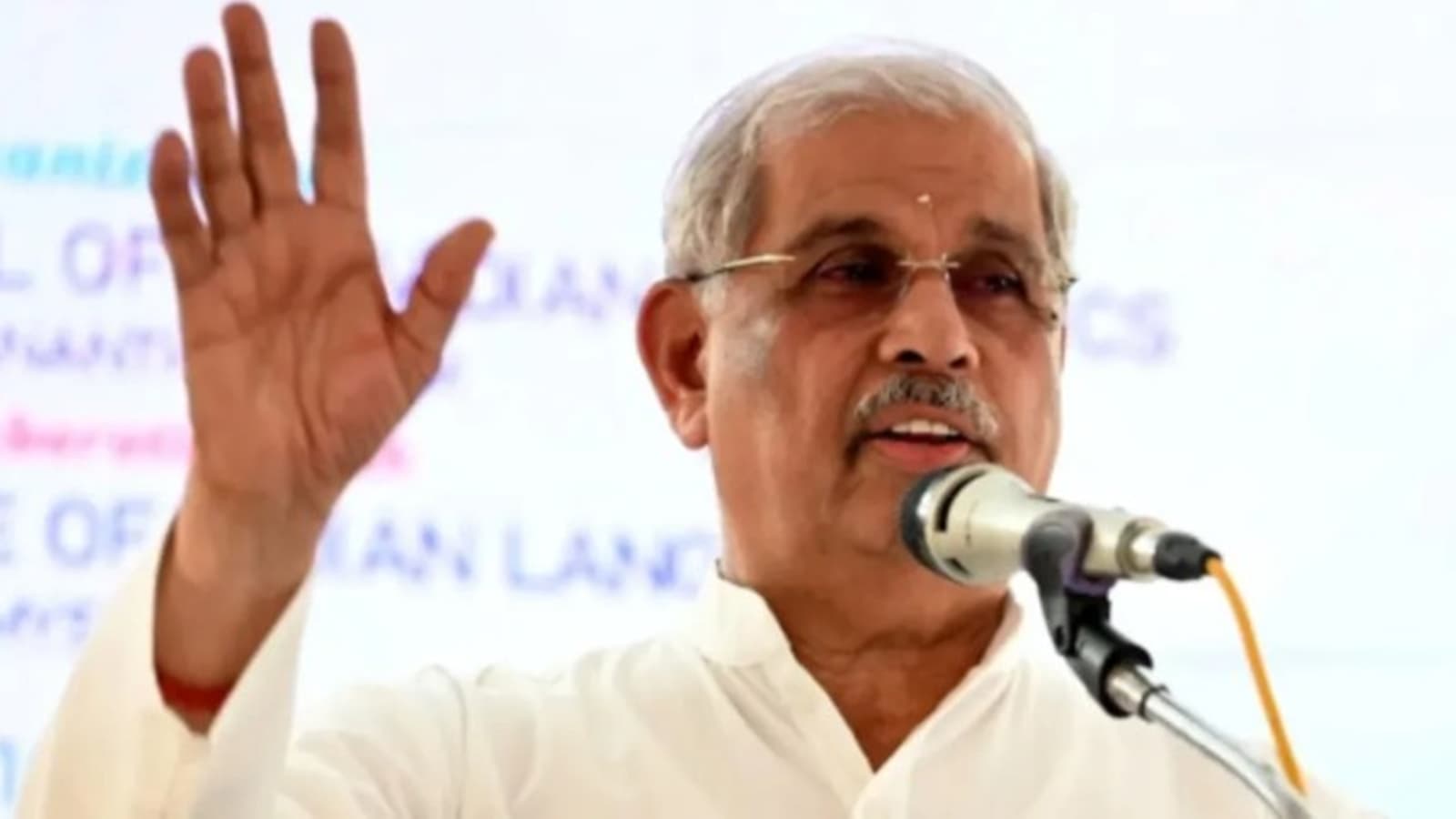
Kerala Gubernatorial Recommendation on Public Service Commission Sparks Constitutional Debate
A constitutional controversy has emerged in Kerala following recommendations submitted to the President by the outgoing Governor seeking the removal of the Kerala Public Service Commission (PSC) chairperson and members over allegations of examination and recruitment irregularities. The move prompted state ministers and the opposition to challenge the action as procedurally flawed and inconsistent with constitutional conventions governing independent bodies.
Significance for UPSC Aspirants
This event is directly relevant to General Studies Paper II (Indian Constitution and Governance), touching on several foundational concepts:
Live Test Series
Join thousands of aspirants in our weekly live mock tests. Get real-time ranking and detailed analysis.
- Independence of Constitutional Bodies: The constitutional insulation provided to State Public Service Commissions (SPSCs) under Articles 315 to 323 to safeguard civil service recruitment from political or administrative interference.
- Removal Procedure under Article 317: The stringent, quasi-judicial mechanism established to dismiss PSC members, contrasting gubernatorial appointment powers with presidential removal authority.
- Federalism and Gubernatorial Discretion: The boundaries of gubernatorial powers and constitutional propriety, particularly when acting without the aid and advice of the state Council of Ministers.
Constitutional Framework and Procedural Requirements
Under Article 316 of the Constitution, the Governor appoints the chairperson and members of an SPSC for a fixed tenure of six years or until they reach the age of 62. However, to guarantee functional autonomy, the Governor does not possess the power of removal.
Instead, Article 317 vests the authority of removal solely in the President of India. In cases involving allegations of misbehaviour, the President cannot act summarily; the charges must be formally referred to the Supreme Court for an inquiry. Only if the Supreme Court, after conducting a due inquiry, reports that the member ought to be removed, can the President issue an order of dismissal. The unilateral recommendation forwarded by the Governor has consequently raised serious legal questions regarding adherence to this mandatory constitutional process, especially while domestic police and crime branch inquiries remain underway.
Reported by Indian Express — India
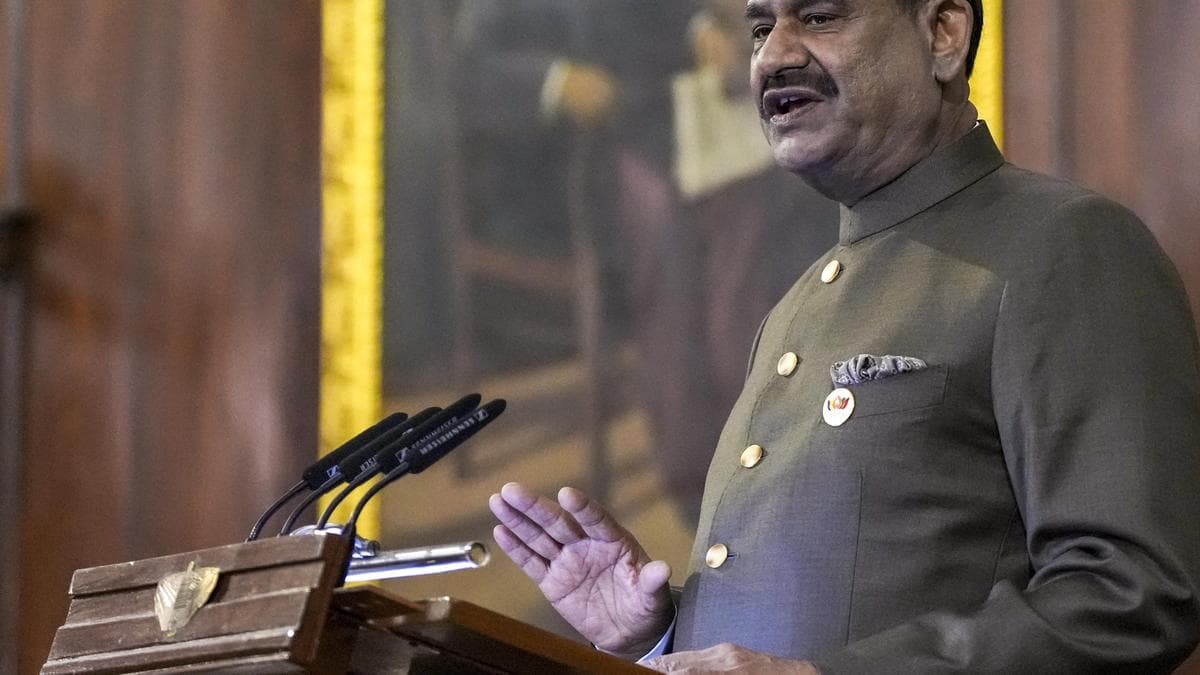
12th BRICS Parliamentary Forum Held in New Delhi Emphasising Multilateral Dialogue and Reform
Oct 26, 2026

IIT Madras Study Examines Unequal Labour Market Impacts of Artificial Intelligence in India
Oct 26, 2026

Houthi Missile Attacks Target Saudi Infrastructure Amid Escalating West Asian Regional Conflict
Oct 26, 2026
Resolving Pricing and Structural Challenges in India's Sugarcane and Sugar Milling Sector
Oct 26, 2026

ICAR-CPRI Develops 'Kufri Jamunia' Biofortified Potato to Tackle Hidden Hunger
Oct 26, 2026