Israeli drone strike on Gaza’s Islamic University kills three, injures eight
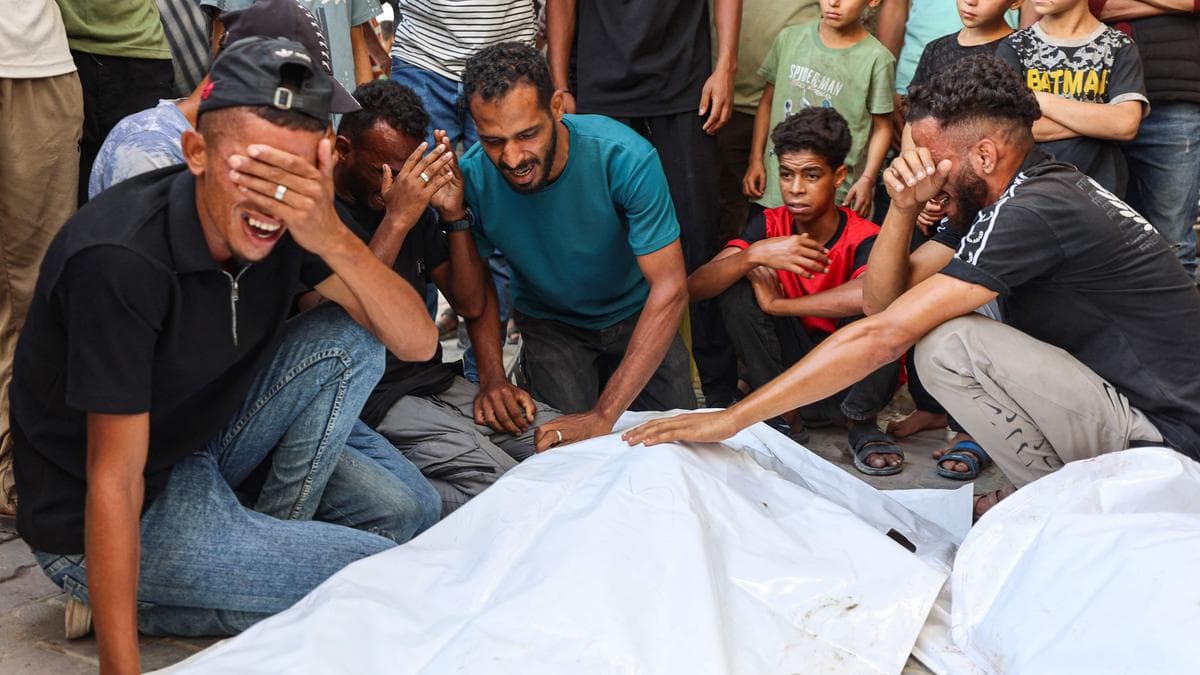
On 25 October 2026 an Israeli drone attack struck the Islamic University building in Gaza City, killing three individuals identified by the university as administrative staff and wounding eight students. Al Shifa hospital received the three bodies and treated the eight injured. The same day Gaza’s civil defence agency reported four additional fatalities – two in Khan Yunis, one in Deir al‑Balah and one in the northern sector of the Strip – highlighting the spread of hostilities despite a year‑long truce.
Why this matters for UPSC
The incident illustrates several themes that recur in the UPSC syllabus under International Relations, International Law and Security. It underscores the humanitarian dimension of the Israel‑Palestine conflict, the legal debate over attacks on civilian infrastructure such as educational institutions, and the challenges of cease‑fire enforcement. Aspirants must be able to analyse India’s diplomatic positioning, its voting patterns in the UN, and the broader geopolitical implications for South‑Asia, the Middle East and the global security architecture.
Live Test Series
Join thousands of aspirants in our weekly live mock tests. Get real-time ranking and detailed analysis.
Relevant background
- Historical context: The Gaza Strip has been under an Israeli‑Egyptian blockade since 2007, with periodic escalations resulting in civilian casualties. The conflict’s roots trace back to the 1948 partition, the 1967 wars, and subsequent peace accords.
- Legal framework: International humanitarian law, particularly the Geneva Conventions, protects civilian objects including schools and universities. The targeting of the Islamic University raises questions about proportionality and distinction, which are frequent discussion points in UPSC ethics and law papers.
- Diplomatic response: The Gaza Education Ministry condemned the strike, accusing the international community of silence. India, traditionally supportive of Palestinian self‑determination, has to balance its strategic ties with Israel against domestic public opinion and its role in multilateral forums.
- Cease‑fire dynamics: The mention of a truce “in effect for over a year” that failed to halt violence highlights the fragility of cease‑fire mechanisms and the role of third‑party mediators such as Egypt, Qatar and the UN.
- Humanitarian impact: The attack on a university exacerbates the already dire educational crisis in Gaza, where the Ministry reports that 95 % of academic buildings are damaged. This feeds into broader discussions on human development indicators and post‑conflict reconstruction.
For the UPSC candidate, the ability to connect this specific event to larger themes—state behaviour, ethical constraints in warfare, and India’s foreign‑policy calculus—will be essential for answering both descriptive and analytical questions in the International Relations paper.
Reported by The Hindu — International
12th BRICS Parliamentary Forum Held in New Delhi Emphasising Multilateral Dialogue and Reform
Oct 26, 2026

IIT Madras Study Examines Unequal Labour Market Impacts of Artificial Intelligence in India
Oct 26, 2026

Houthi Missile Attacks Target Saudi Infrastructure Amid Escalating West Asian Regional Conflict
Oct 26, 2026
Resolving Pricing and Structural Challenges in India's Sugarcane and Sugar Milling Sector
Oct 26, 2026

ICAR-CPRI Develops 'Kufri Jamunia' Biofortified Potato to Tackle Hidden Hunger
Oct 26, 2026