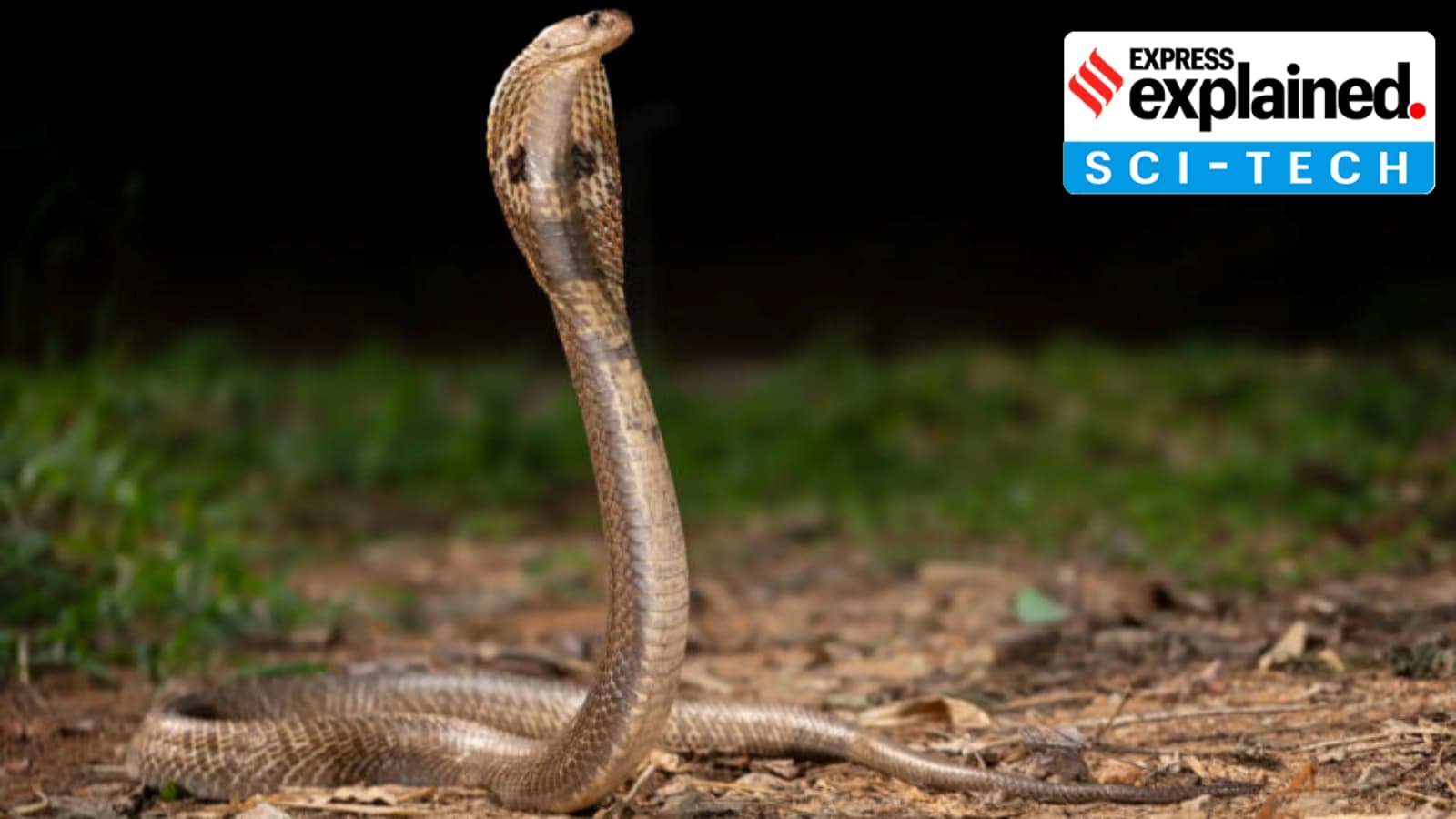
IISc and DTU Develop Recombinant Antivenom Against Multiple Cobra Species
Researchers from the Centre for Ecological Sciences at the Indian Institute of Science, Bengaluru, in collaboration with the Technical University of Denmark, have developed a recombinant antivenom capable of neutralising toxins from multiple cobra species found across India. Published in Science Translational Medicine, the study demonstrated that an engineered antibody cocktail effectively protected test mice challenged with lethal venom doses from spectacled cobras, monocled cobras, and two king cobra species.
Significance for Public Health and S&T
Snakebite envenoming remains a major public health challenge in India, where an official Union Health Ministry statement in 2024 estimated annual fatalities at around 50,000. Conventional antivenom production has relied on horse-derived immunoglobulins, a technique largely unchanged for over a century. The new recombinant method provides a platform for producing broad-spectrum therapies that can overcome geographic and inter-species venom variation while requiring substantially lower antibody doses.
Live Test Series
Join thousands of aspirants in our weekly live mock tests. Get real-time ranking and detailed analysis.
Key Scientific Breakthroughs and Methodology
- Overcoming Venom Diversity: India's traditional polyvalent antivenom targets the "Big Four" venomous snakes—the spectacled cobra, common krait, Russell's viper, and saw-scaled viper. However, it fails against king cobras or distinct cobra species due to diverse neurotoxin profiles. Spectacled cobras alone account for at least 12.5% of Indian snakebite deaths.
- Phage Display Technology: The researchers extracted antibodies from domesticated animals such as alpacas and llamas exposed to snake venom. These antibodies were displayed on bacteriophages—viruses that infect and replicate inside bacteria—to isolate specific fragments capable of binding and neutralising diverse cobra toxins.
- Efficacy and Safety: Unlike earlier approaches that required massive antibody quantities, the engineered cocktail saved test mice even when administered 30 minutes after envenomation using minimal antibody doses, addressing critical cost and safety limitations.
Reported by Indian Express — Explained
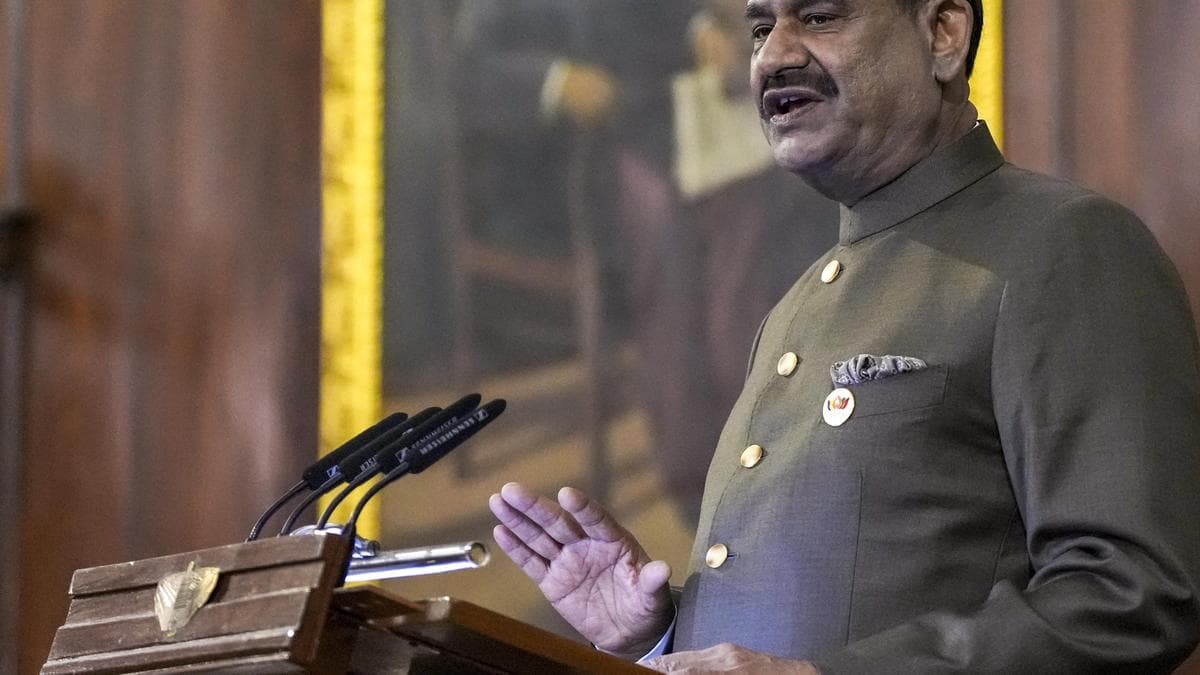
12th BRICS Parliamentary Forum Held in New Delhi Emphasising Multilateral Dialogue and Reform
Oct 26, 2026

IIT Madras Study Examines Unequal Labour Market Impacts of Artificial Intelligence in India
Oct 26, 2026

Houthi Missile Attacks Target Saudi Infrastructure Amid Escalating West Asian Regional Conflict
Oct 26, 2026
Resolving Pricing and Structural Challenges in India's Sugarcane and Sugar Milling Sector
Oct 26, 2026
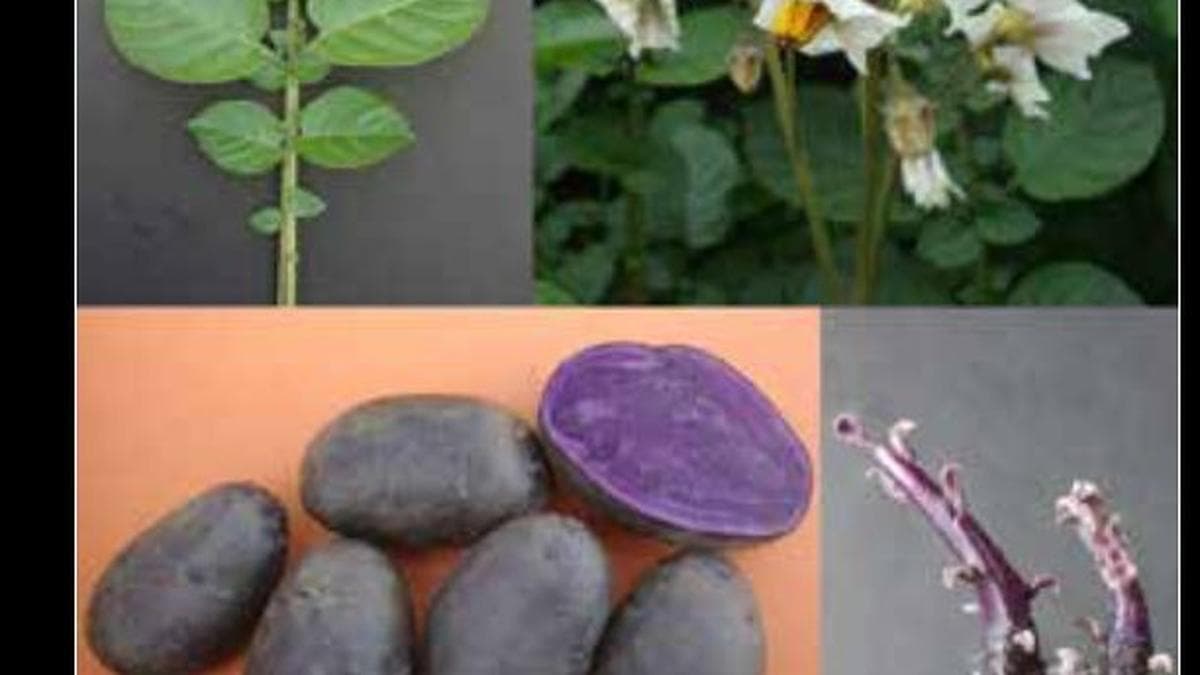
ICAR-CPRI Develops 'Kufri Jamunia' Biofortified Potato to Tackle Hidden Hunger
Oct 26, 2026