
Ethical Dimensions and the Realist Framework in International Relations
Recent global developments have highlighted an ongoing friction between conventional strategic calculations and collective moral perceptions, challenging the long-standing assumption that diplomacy operates purely on detached assessments of national interest.
Significance for the UPSC Syllabus
This debate connects directly to General Studies Paper IV under ethical concerns in international affairs, as well as General Studies Paper II and Political Science regarding theoretical foundations of foreign policy. Understanding the evolution of diplomatic thought, the predominance of Realism, and the structural marginalisation of the Global South provides essential context for evaluating modern geopolitical crises.
Live Test Series
Join thousands of aspirants in our weekly live mock tests. Get real-time ranking and detailed analysis.
Key Conceptual Developments
- Realism and the Anarchic Order: In the post-Second World War era, international relations came to be dominated by the Realist framework formulated by thinkers such as Hans Morgenthau. This paradigm models the international order as fundamentally anarchic due to the absence of an overarching central authority, postulating that sovereign states are primarily driven to secure their survival and advance their national interests.
- Strategic Vocabulary: The discourse of global diplomacy has largely been framed around power, deterrence, balance of power, and strategic autonomy. Consequently, actions ranging from sanctions to military actions are routinely defended through the prism of strategic necessity rather than moral imperatives.
- Western Intellectual Dominance: Scholar Stanley Hoffman highlighted that international relations largely evolved as an American social science. Because global norms, treaties, and governing institutions were created when European and Western powers held sway, nations across the Global South had limited involvement in designing the foundational rules of global governance.
- The Influence of Ethics and Emotions: Despite the focus on balance of power, modern geopolitical dilemmas reveal that public sentiment, moral outrage, and normative standards continuously influence foreign policy decisions and diplomatic stances, demonstrating that global statecraft cannot remain isolated from ethical scrutiny.
Reported by The Hindu — International
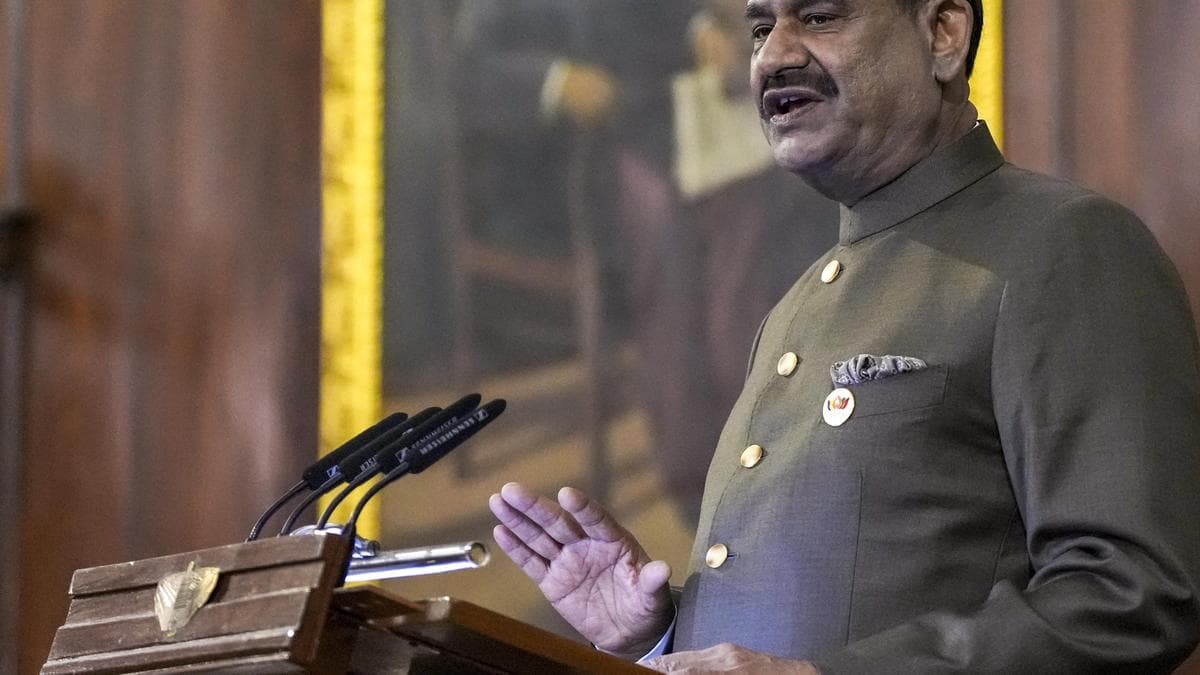
12th BRICS Parliamentary Forum Held in New Delhi Emphasising Multilateral Dialogue and Reform
Oct 26, 2026

IIT Madras Study Examines Unequal Labour Market Impacts of Artificial Intelligence in India
Oct 26, 2026

Houthi Missile Attacks Target Saudi Infrastructure Amid Escalating West Asian Regional Conflict
Oct 26, 2026
Resolving Pricing and Structural Challenges in India's Sugarcane and Sugar Milling Sector
Oct 26, 2026

ICAR-CPRI Develops 'Kufri Jamunia' Biofortified Potato to Tackle Hidden Hunger
Oct 26, 2026