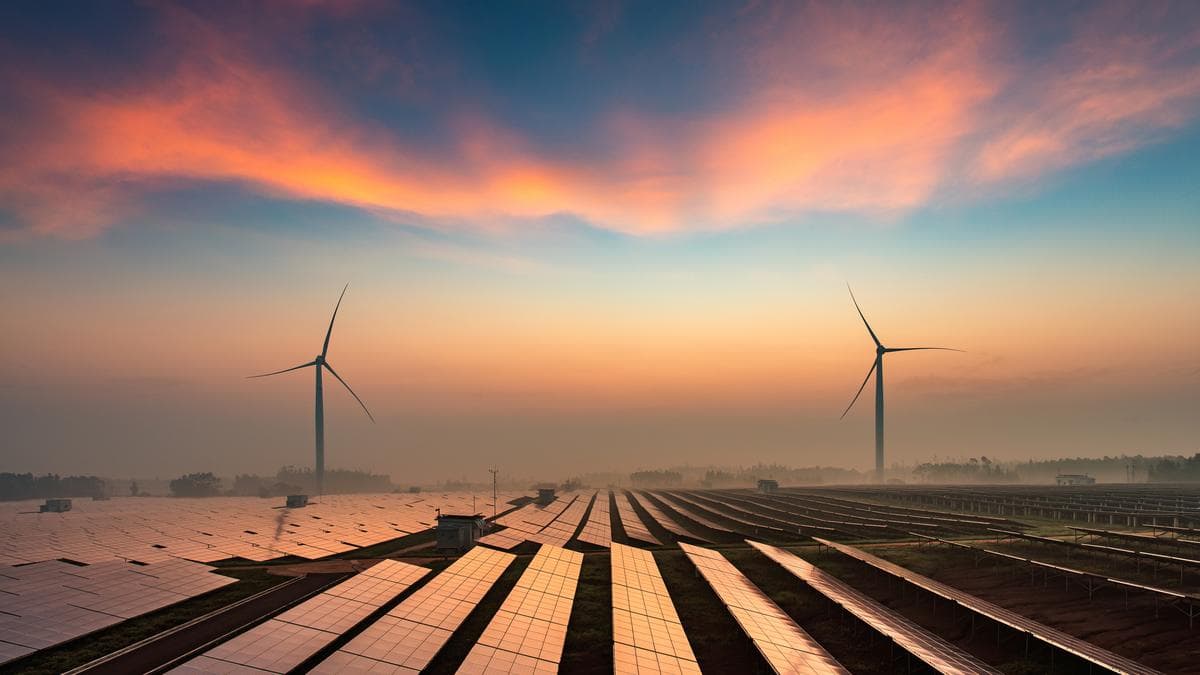
Electrifying Industrial Heat as the Next Frontier in India's Energy Transition
India is preparing to focus the next phase of its clean energy transition on electrifying industrial heat, with a particular emphasis on Micro, Small, and Medium Enterprises (MSMEs). This strategy seeks to extend the momentum achieved in power generation and end-use sectors toward the manufacturing sector to enhance economic competitiveness, energy security, and decarbonisation.
Significance for UPSC Aspirants
For the Civil Services Examination, decarbonising the industrial sector is a central component of General Studies Paper III under economic growth, industrial policy, and environmental conservation. As India targets long-term climate commitments, addressing heat consumption in production processes presents distinct challenges and opportunities:
Live Test Series
Join thousands of aspirants in our weekly live mock tests. Get real-time ranking and detailed analysis.
- Focus on MSME Competitiveness: Smaller manufacturing enterprises constitute a major share of industrial output but often face hurdles in adopting capital-intensive clean technologies without dedicated institutional support.
- Policy Lessons from the Solar Sector: India's solar photovoltaic ecosystem reduced generation tariffs by more than 85% over the past decade through supportive state and national policies, institutional mandates, innovative financing, and private investment, offering a blueprint for scaling heat electrification.
- Cluster-Based Implementation: Widespread industrial transition demands cluster-level planning, demonstration pilots, skilled human resources, and access to dependable, low-cost renewable electricity.
Key Drivers and Background
India’s energy transition has thus far mainstreamed renewable power across multiple demand segments. Notable examples include electric mobility steadily replacing internal combustion engines, agriculture adopting solar irrigation systems, and the building sector deploying energy-efficient appliances. However, thermal energy required for manufacturing processes remains heavily dependent on conventional fuel sources.
Scaling up electrified industrial heat requires replicating the ecosystem that drove India's solar power expansion. Coordinated planning across state and central governments, robust private investments, competitive equipment markets, and tailored financial mechanisms will be vital to ensure that industrial electrification becomes commercially viable and sustainable across Indian manufacturing clusters.
Reported by The Hindu — Science & Tech
12th BRICS Parliamentary Forum Held in New Delhi Emphasising Multilateral Dialogue and Reform
Oct 26, 2026

IIT Madras Study Examines Unequal Labour Market Impacts of Artificial Intelligence in India
Oct 26, 2026

Houthi Missile Attacks Target Saudi Infrastructure Amid Escalating West Asian Regional Conflict
Oct 26, 2026
Resolving Pricing and Structural Challenges in India's Sugarcane and Sugar Milling Sector
Oct 26, 2026

ICAR-CPRI Develops 'Kufri Jamunia' Biofortified Potato to Tackle Hidden Hunger
Oct 26, 2026