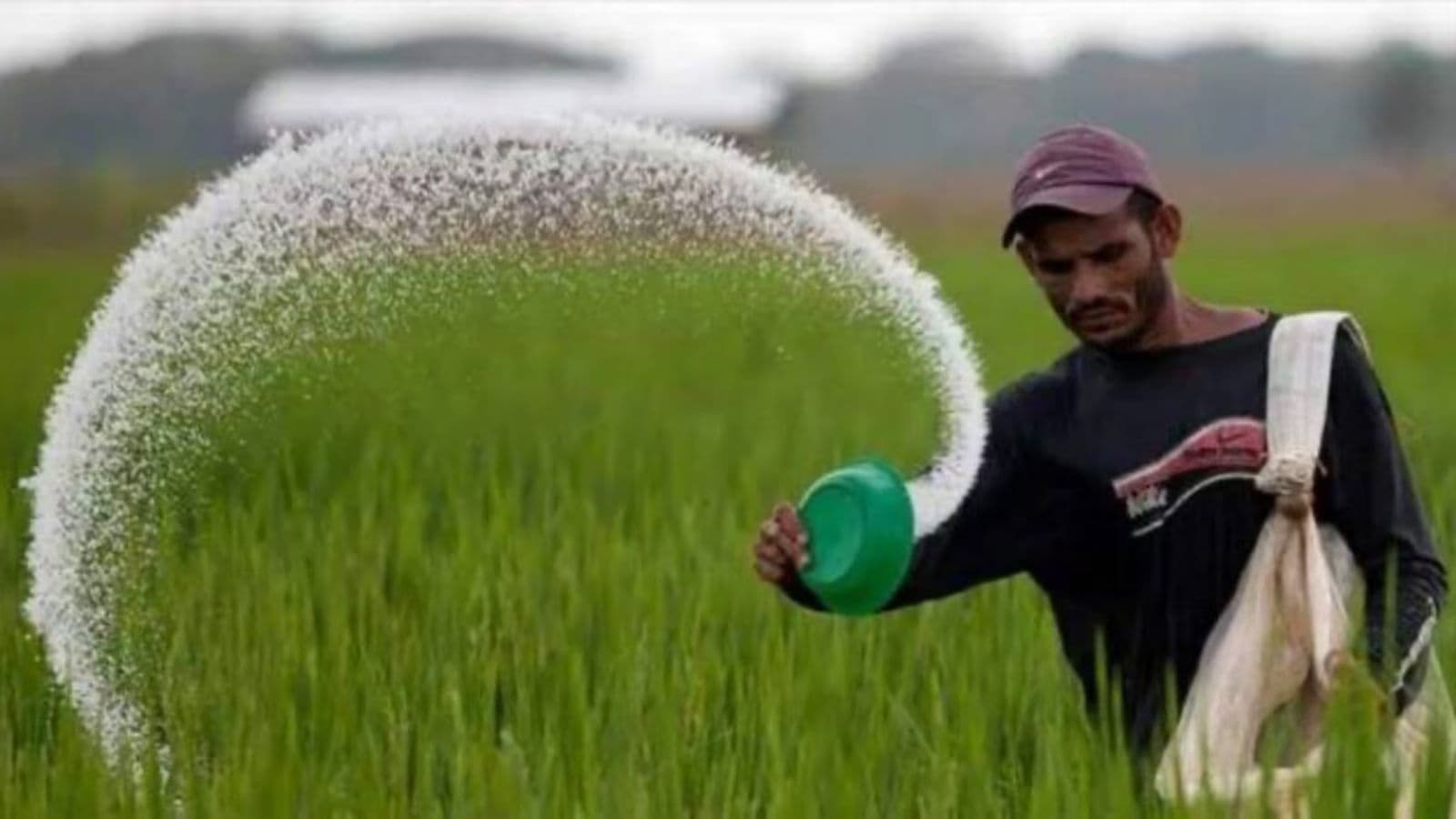
El Niño and Deficient Monsoon Trigger Drop in Domestic Fertiliser Offtake and Input Demand
Domestic sales across all major fertiliser categories, including urea and complex formulations, registered a noticeable contraction during the April–September 2026 kharif planting season compared to the corresponding period in 2025. The downturn in farm-level consumption occurred despite higher domestic production and increased imports of urea, reflecting dampened agricultural demand resulting from deficient precipitation across several states.
Significance for UPSC Aspirants
This development is significant for General Studies Paper III (Agriculture and Indian Economy), illustrating:
Live Test Series
Join thousands of aspirants in our weekly live mock tests. Get real-time ranking and detailed analysis.
- Climate Sensitivity of Agriculture: Demonstrates how macro-climatic phenomena like El Niño impact rural farm inputs, crop acreage decisions, and overall agricultural activity.
- Fertiliser Economics and Distortions: Highlights the dynamics of the nutrient-based subsidy framework, pricing disparities between regulated urea/di-ammonium phosphate (DAP) and decontrolled complex fertilisers, and the resulting imbalances in soil nutrient application.
- Supply Chain Geopolitics: Shows domestic vulnerability to international energy and raw material shocks, particularly imports of liquefied natural gas (LNG) and sulphur essential for manufacturing phosphatic fertilisers.
Key Trends and Contextual Background
Fertiliser Association of India data revealed that sales of complex fertilisers containing nitrogen, phosphorus, potassium, and sulphur dropped the sharpest by 22.2%, while muriate of potash (MOP) fell by 11.7%. Even urea sales declined by 4.1%, marking their first contraction after 2021–22, even as domestic output rose by 4.3% and imports surged by 40.5% through government efforts to secure natural gas feedstock from diverse international suppliers.
The contraction stemmed directly from moisture stress, as southwest monsoon rains ended 12.6% below the long-period average, followed by a 51.8% rainfall deficit in October. Subdued demand in drought-affected pockets, including Maharashtra, southern states, Rajasthan, and parts of Gujarat, kept retail rates restrained. Concurrently, production of complex fertilisers fell by 35.5% as global sulphur import prices escalated from $300–400 per tonne to $1,000–1,100 per tonne following Middle Eastern refinery disruptions. This supply crunch, combined with the government-mandated price ceiling on DAP at Rs 1,350 per 50-kg bag versus over Rs 2,100 for complex fertilisers, heavily skewed farmer purchasing patterns.
Reported by Indian Express — India

12th BRICS Parliamentary Forum Held in New Delhi Emphasising Multilateral Dialogue and Reform
Oct 26, 2026

IIT Madras Study Examines Unequal Labour Market Impacts of Artificial Intelligence in India
Oct 26, 2026

Houthi Missile Attacks Target Saudi Infrastructure Amid Escalating West Asian Regional Conflict
Oct 26, 2026

Resolving Pricing and Structural Challenges in India's Sugarcane and Sugar Milling Sector
Oct 26, 2026

ICAR-CPRI Develops 'Kufri Jamunia' Biofortified Potato to Tackle Hidden Hunger
Oct 26, 2026