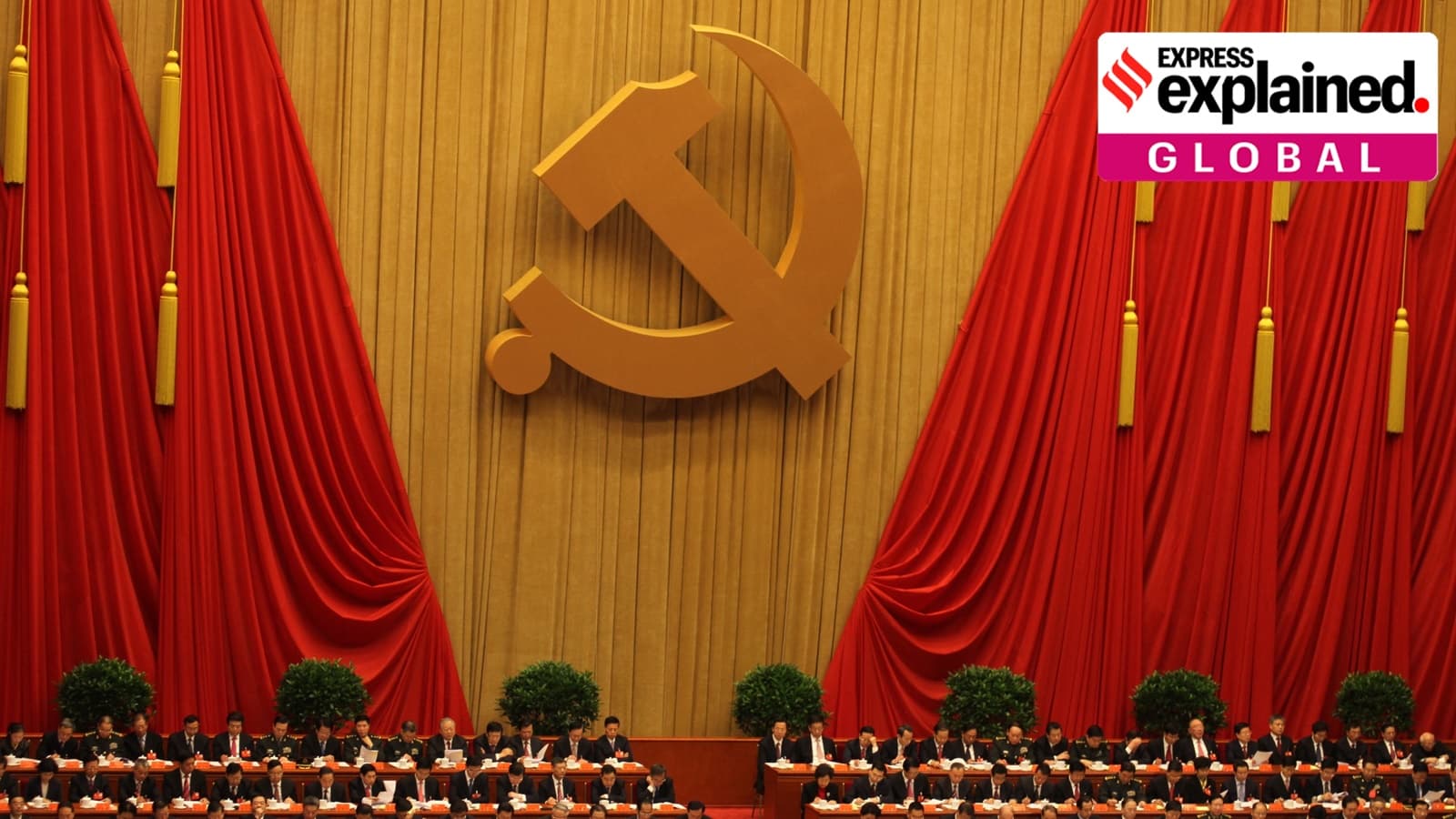
CPC Convenes Fifth Plenum of 20th Central Committee Focusing on Party Governance
The Communist Party of China (CPC) commenced the Fifth Plenary Session of its 20th Central Committee in Beijing on October 26, 2026. While Fifth Plenums historically focused on drafting five-year socioeconomic development frameworks, the adoption of recommendations for the 15th Five-Year Plan (2026–2030) during the Fourth Plenum in October 2025 shifted the agenda of the 2026 conclave toward internal Party discipline, institutional rectification, and comprehensive self-governance.
Relevance for Civil Services Examination
For aspirants tracking International Relations and strategic affairs (GS Paper II), deciphering China’s domestic institutional mechanisms is vital. Decisions adopted at Central Committee plenums reveal Beijing’s political hierarchy, central-provincial administrative balances, anti-corruption drives, and long-term policymaking stability, directly influencing regional geopolitics and bilateral engagements across Asia.
Live Test Series
Join thousands of aspirants in our weekly live mock tests. Get real-time ranking and detailed analysis.
Structure of Chinese Governance and Current Context
- The Party Hierarchy: Held every five years, the National Congress of the CPC selects the Central Committee (comprising roughly 200 full and 175 alternate members). The Central Committee then appoints the Politburo (around 24 members) and the elite seven-member Politburo Standing Committee, currently headed by General Secretary Xi Jinping. Between national congresses, plenary sessions provide authoritative directives that bind state ministries, local administrations, and state enterprises.
- Discipline and Centralization: The focus on rigorous self-governance reflects the party-state’s push against bureaucratic inertia and corruption. High-profile purges overseen by supervisory organs have affected key administrative figures and the apex Central Military Commission (CMC), underscoring an insistence on uncompromised political alignment.
- Administrative Repercussions: The central dilemma for Beijing remains reconciling strict ideological oversight with local administrative dynamism. Intensified scrutiny can induce bureaucratic risk aversion at sub-national levels, complicating efforts to stimulate regional economic vitality, resolve local government debt pressures, and manage strategic technological transformation.
Reported by Indian Express — Explained
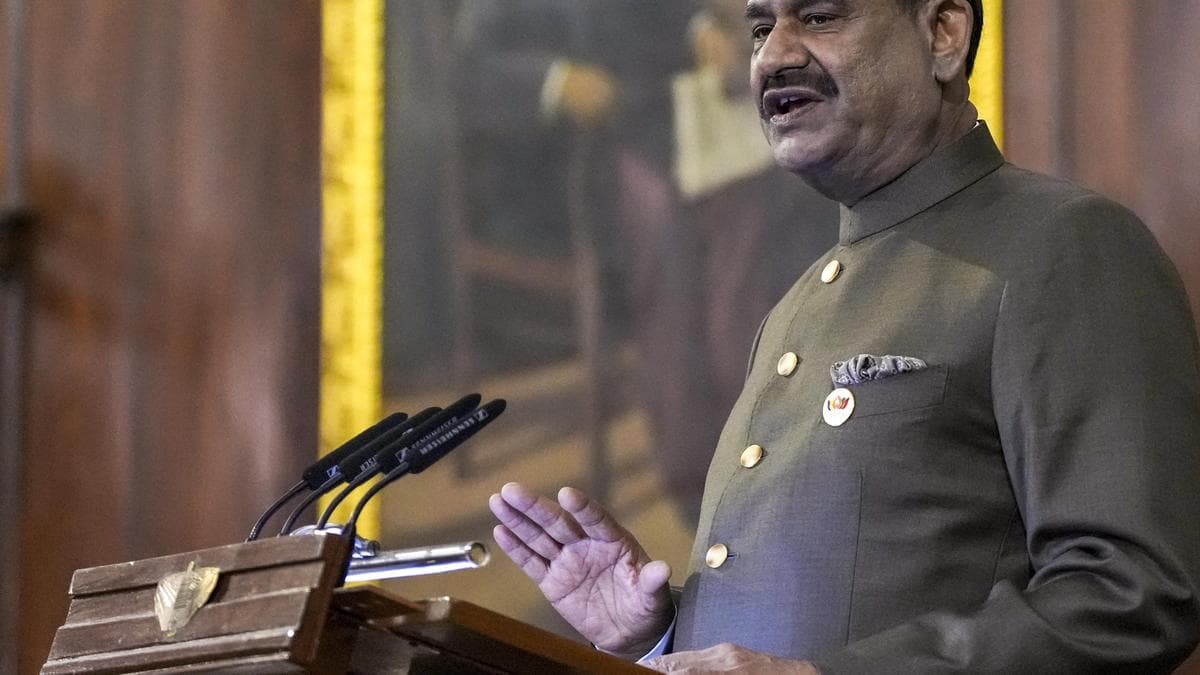
12th BRICS Parliamentary Forum Held in New Delhi Emphasising Multilateral Dialogue and Reform
Oct 26, 2026

IIT Madras Study Examines Unequal Labour Market Impacts of Artificial Intelligence in India
Oct 26, 2026

Houthi Missile Attacks Target Saudi Infrastructure Amid Escalating West Asian Regional Conflict
Oct 26, 2026
Resolving Pricing and Structural Challenges in India's Sugarcane and Sugar Milling Sector
Oct 26, 2026

ICAR-CPRI Develops 'Kufri Jamunia' Biofortified Potato to Tackle Hidden Hunger
Oct 26, 2026