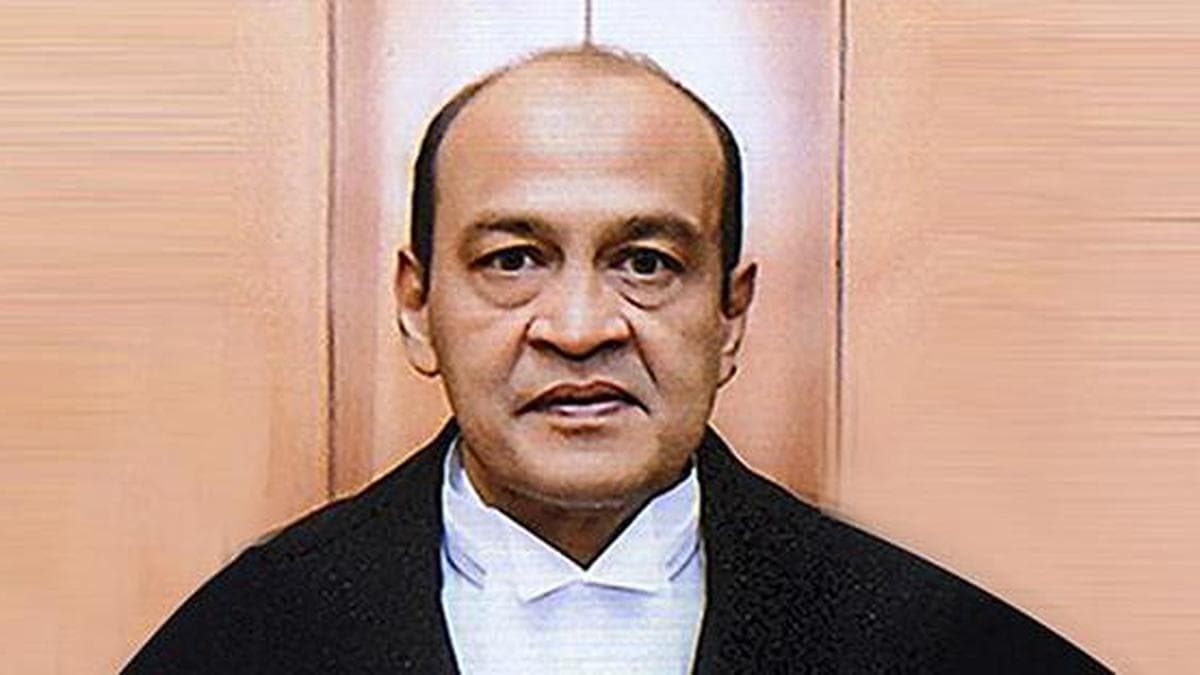
Constitutional Framework on Judicial Resignation and the Judges (Inquiry) Act
A constitutional question has emerged regarding the legal status of former High Court judge Yashwant Varma, who stepped down on April 9, 2026, ahead of Parliament receiving an inquiry committee report under the Judges (Inquiry) Act, 1968. The committee was constituted by the Speaker of the Lok Sabha to examine allegations of misbehaviour after cash was discovered at the judge's official premises in March 2025.
The Power to Resign at Will
The Constitution grants thirteen distinct constitutional offices the authority to demit office at will without requiring their resignations to be accepted by any executive or legislative authority. These functionaries include:
Live Test Series
Join thousands of aspirants in our weekly live mock tests. Get real-time ranking and detailed analysis.
- The President and the Vice-President;
- The Speaker and Deputy Speaker of the Lok Sabha, and the Deputy Chairman of the Rajya Sabha;
- Judges of the Supreme Court and judges of High Courts;
- Governors of States;
- Presiding officers and deputy presiding officers of State Legislative Assemblies and Councils;
- Members of Public Service Commissions.
This design serves as a structural shield for judicial and institutional independence, ensuring officeholders cannot be compelled to serve against their will. This stands in sharp contrast to Members of Parliament under Article 101(3)(b) and members of State Legislatures under Article 190(3)(b), whose resignations become valid only upon formal acceptance by the respective Speaker or Chairman. In the 1978 ruling Union of India vs Gopal Chandra Misra, a five-judge Constitution Bench of the Supreme Court ruled that a judge's resignation operates ex proprio vigore—taking effect automatically without requiring presidential assent.
Implications for Judicial Accountability
This constitutional mechanism creates an institutional dilemma under the Judges (Inquiry) Act, 1968. While Section 6 mandates that an investigation committee's findings be laid before Parliament, the constitutional purpose of the proceeding is to present an address for the removal of a sitting judge. If an incumbent judge resigns before Parliament acts, a motion for removal cannot be moved because the individual no longer occupies judicial office. Consequently, while the report must be tabled, the statutory removal proceedings lapse. Legal scholars suggest that closing this loophole would require a constitutional amendment—potentially vesting the Chief Justice of India with the authority to accept resignations during pending removal proceedings—rather than administrative reinterpretation.
Reported by The Hindu — National
12th BRICS Parliamentary Forum Held in New Delhi Emphasising Multilateral Dialogue and Reform
Oct 26, 2026

IIT Madras Study Examines Unequal Labour Market Impacts of Artificial Intelligence in India
Oct 26, 2026

Houthi Missile Attacks Target Saudi Infrastructure Amid Escalating West Asian Regional Conflict
Oct 26, 2026
Resolving Pricing and Structural Challenges in India's Sugarcane and Sugar Milling Sector
Oct 26, 2026

ICAR-CPRI Develops 'Kufri Jamunia' Biofortified Potato to Tackle Hidden Hunger
Oct 26, 2026