Colonial Historiography and the Construction of Indian History: Analysis of Periodisation and Sources
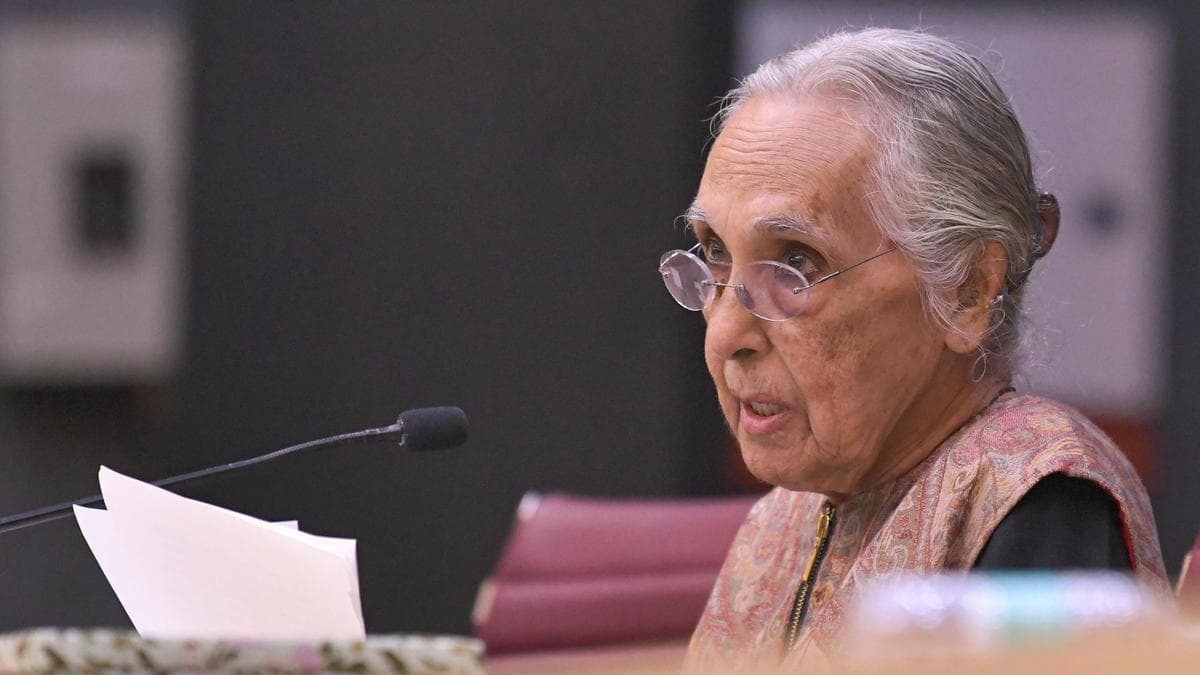
Delivering the Second Sitaram Yechury Memorial Lecture on the theme Historiography and Early Indian History on October 25, 2026, historian Romila Thapar highlighted how colonial-era frameworks continue to distort modern perceptions of the past. She argued that British colonial writers reduced multifaceted political, social, and territorial developments into mono-causal explanations centered primarily on religious friction, an approach that persists in contemporary interpretations.
Relevance for UPSC Aspirants
Historiographical methodology, source analysis, and critiques of colonial interpretations are foundational components of Indian history in General Studies Paper I. Grasping how British administrators and scholars constructed concepts like communal periodisation and Oriental despotism is essential for understanding early state formation, socio-economic evolution, and the objective analysis of historical conflicts without communal bias.
Live Test Series
Join thousands of aspirants in our weekly live mock tests. Get real-time ranking and detailed analysis.
Key Historical Issues and Background
- Colonial Periodisation: British historian James Mill divided the subcontinent's history into rigid 'Hindu', 'Muslim', and 'British' eras. This tripartite division presented communities as permanently opposed to one another and established a tradition of viewing the past exclusively through a religious prism rather than examining underlying material and political drivers.
- Oriental Despotism: Colonial scholarship frequently categorized Asian societies under the paradigm of Oriental despotism, characterizing them as static, unevolving, and perpetually governed by autocratic rulers to justify colonial administration.
- Inscriptional and Material Sources: Thapar stressed that relying primarily on religious literature led to skewed historical reconstructions. Material evidence, particularly the vast body of inscriptions surviving from the post-Gupta era, provides crucial documentation on land grants, caste relations, administrative practices, and everyday governance.
- Territorial Dynamics Over Religious Conflict: Simplistic classifications overlook complex political realities. In the Battle of Haldighati, for example, the engagement was a territorial confrontation rather than a religious war, marked by Afghan soldiers fighting within Rana Pratap's ranks and a Rajput commander heading the Mughal army.
- Plurality Within Cultural Traditions: Fixed interpretations neglect internal diversity within Indian traditions, such as the regional development of distinct manifestations of Vishnu like Jagannath in Odisha and Vithal in Maharashtra. Decolonising history requires synthesizing recent advances in archaeology and genetics rather than reinforcing colonial divisions.
Reported by The Hindu — National
12th BRICS Parliamentary Forum Held in New Delhi Emphasising Multilateral Dialogue and Reform
Oct 26, 2026

IIT Madras Study Examines Unequal Labour Market Impacts of Artificial Intelligence in India
Oct 26, 2026

Houthi Missile Attacks Target Saudi Infrastructure Amid Escalating West Asian Regional Conflict
Oct 26, 2026
Resolving Pricing and Structural Challenges in India's Sugarcane and Sugar Milling Sector
Oct 26, 2026

ICAR-CPRI Develops 'Kufri Jamunia' Biofortified Potato to Tackle Hidden Hunger
Oct 26, 2026