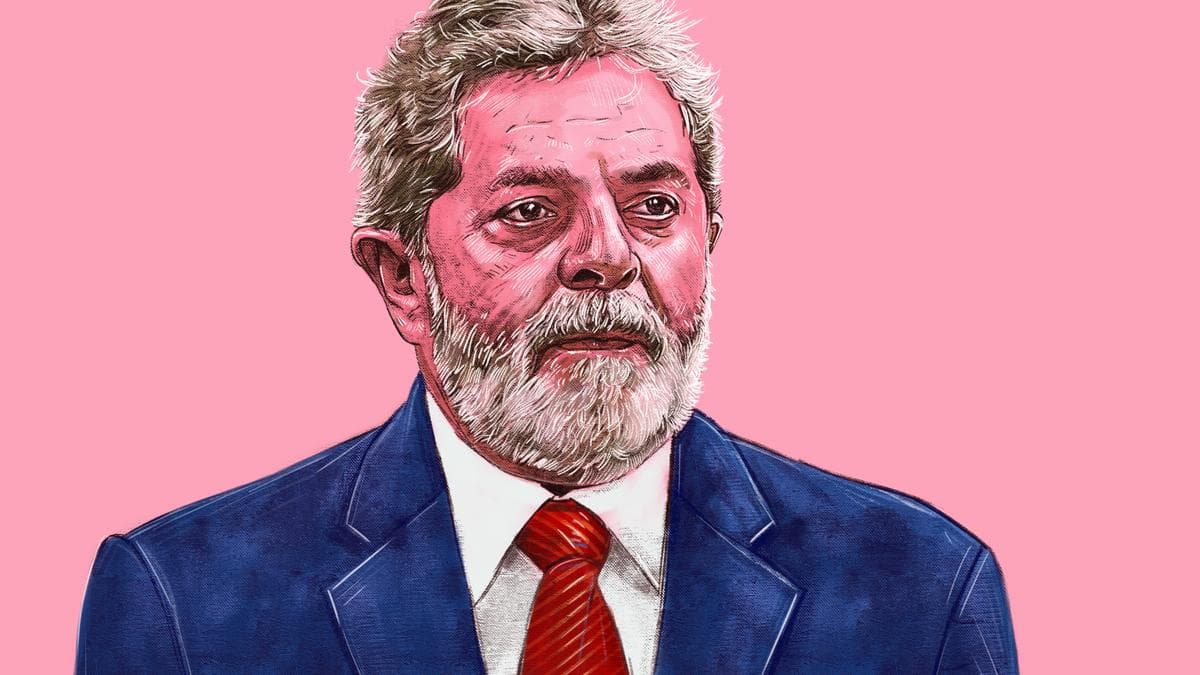
Brazil's Presidential Runoff Election and the Policy Trajectory of Lula da Silva
In the presidential runoff election held on October 25, 2026, Brazil's incumbent President Luiz Inacio Lula da Silva secured a historic fourth term, winning 51.75% of the vote against right-wing senator Flavio Bolsonaro, who obtained 48.25%. The election took place after a polarising campaign and an unusual two-hour voting extension authorized nationwide by the Supreme Court after reports that public transit buses had been withdrawn from service in several cities. Lula's victory resists a broader rightward political shift observed in South American nations such as Argentina, Chile, Colombia, and Peru, preserving the governance of the Workers' Party.
Relevance for the UPSC Civil Services Examination
Developments in Brazil are significant for General Studies Paper II under bilateral, regional, and global groupings involving India, as well as the political dynamics of key developing nations:
Live Test Series
Join thousands of aspirants in our weekly live mock tests. Get real-time ranking and detailed analysis.
- Multilateral Groupings: Brazil is a foundational partner for India in plurilateral institutions like BRICS and IBSA, where Lula has traditionally championed multipolarity and reformed global governance.
- Global South Dynamics: The Brazilian presidency's emphasis on national sovereignty amidst trade and diplomatic friction with the United States under Donald Trump impacts regional stability and international supply lines.
- Comparative Public Policy: Brazil's experience offers case studies in large-scale social safety nets, balancing anti-poverty measures with fiscal debt constraints.
Background and Political Context
Lula da Silva originally held office for two consecutive terms between 2003 and 2010, utilizing an era of strong commodity export prices to finance welfare initiatives such as Bolsa Familia, which lifted around 20 million citizens out of extreme poverty. Following his departure, Brazil witnessed severe political instability, including the Petrobras Car Wash corruption scandal and the 2014 impeachment of Dilma Rousseff. Lula was imprisoned for over 18 months and barred from contesting in 2018, but the Supreme Court annulled his convictions in March 2021. He staged a political comeback on October 30, 2022, defeating Jair Bolsonaro following an administration marked by high inflation and nearly 700,000 pandemic fatalities. Having turned 81, Lula will conclude his term in 2030, totaling 16 years as president while operating alongside a conservative Congress.
Reported by The Hindu — International
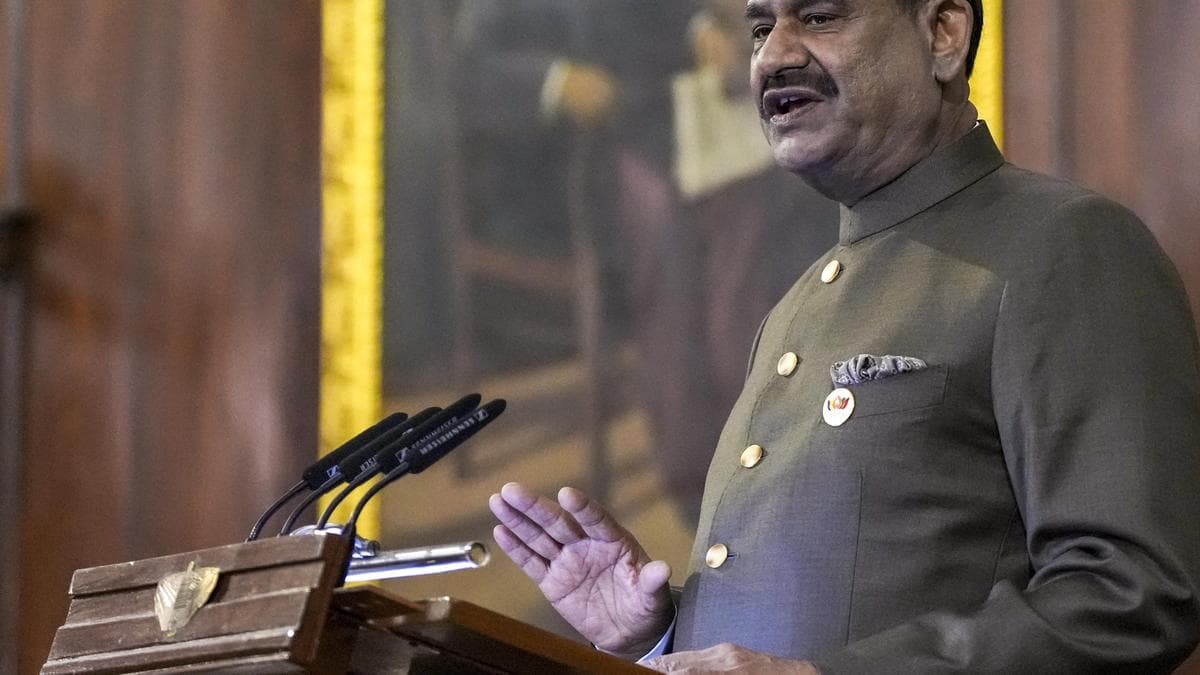
12th BRICS Parliamentary Forum Held in New Delhi Emphasising Multilateral Dialogue and Reform
Oct 26, 2026

IIT Madras Study Examines Unequal Labour Market Impacts of Artificial Intelligence in India
Oct 26, 2026

Houthi Missile Attacks Target Saudi Infrastructure Amid Escalating West Asian Regional Conflict
Oct 26, 2026
Resolving Pricing and Structural Challenges in India's Sugarcane and Sugar Milling Sector
Oct 26, 2026

ICAR-CPRI Develops 'Kufri Jamunia' Biofortified Potato to Tackle Hidden Hunger
Oct 26, 2026