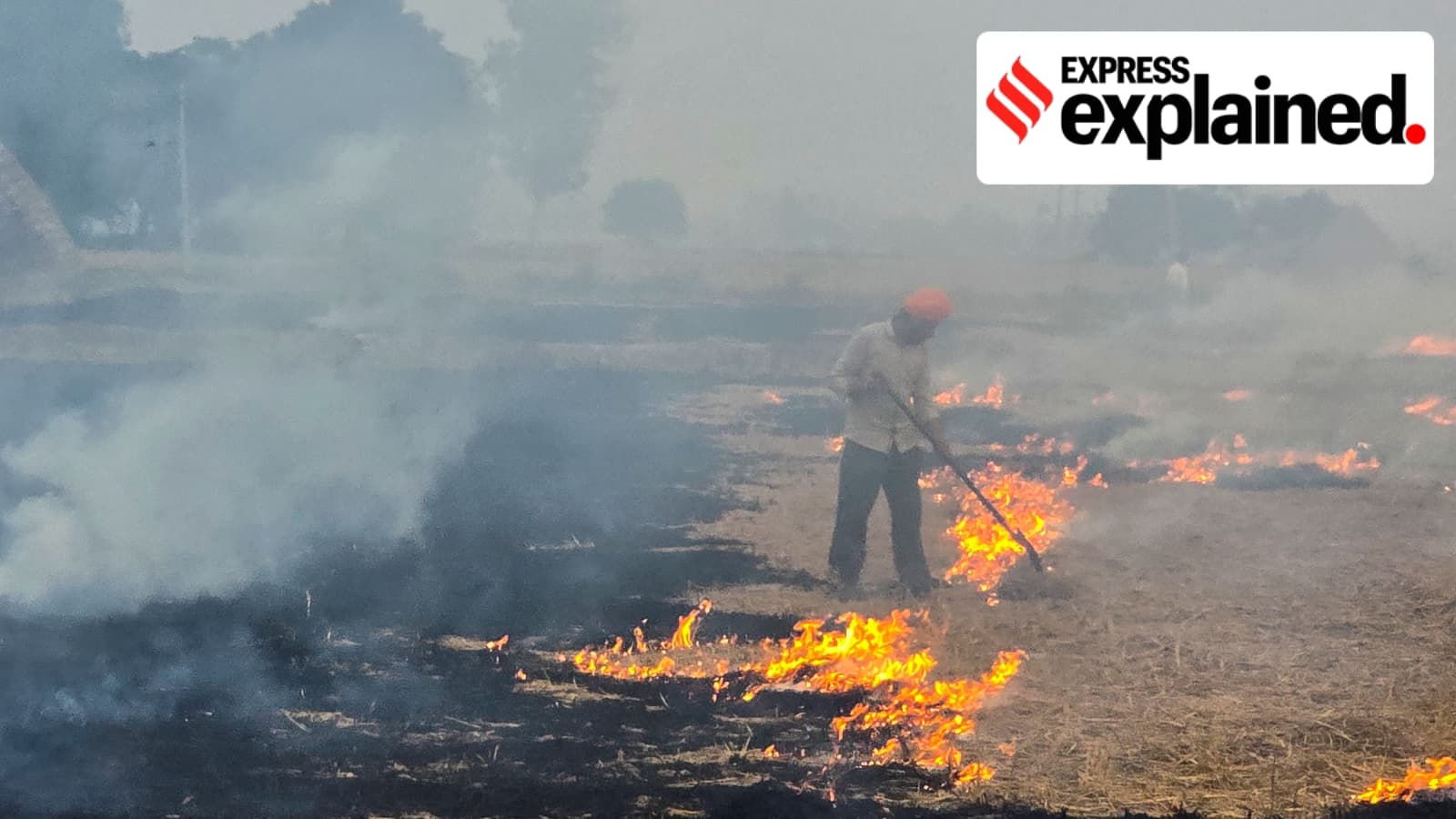
Why Punjab's Majha Region Dominates Early Stubble Burning Incidents
Satellite monitoring between September 15 and October 24 recorded 574 farm fires across Punjab, with 414 incidents—representing 72 percent of the total—concentrated in just two districts: Amritsar and Tarn Taran. As a result, the northwestern Majha belt has emerged as the state's primary stubble-burning hotspot during the early post-monsoon window, even as the seasonal tally remains substantially below the 1,678 incidents recorded during the corresponding period in 2024.
Agronomic Factors Driving Early Residue Burning
The early concentration of fires in Majha contrasts with patterns in the Doaba and Malwa regions due to unique multi-cropping dynamics:
Live Test Series
Join thousands of aspirants in our weekly live mock tests. Get real-time ranking and detailed analysis.
- Short-Duration Paddy Cultivation: Farmers in areas such as Jandiala Guru, Tarsikka, Majitha, Ajnala, Khadur Sahib, and Chohla Sahib extensively cultivate short-duration varieties and Basmati rice, including Pusa 1509.
- Third-Crop Turnaround Pressure: Early harvesting in September frees acreage to accommodate an intermediate commercial crop—predominantly 60-day green peas or potatoes—prior to sowing rabi wheat in November.
- Time Constraints on Clearing: To avoid losing days while arranging equipment for the short vegetable cycle, many farmers clear fields by burning leftover stubble rather than waiting for in-situ residue processing.
Mechanisation Infrastructure and Operational Challenges
The situation highlights structural implementation gaps in crop residue management despite substantial asset creation:
- Machinery Fleet: Punjab operates an estimated 1.25 lakh crop-residue management machines statewide, with administrative assessments confirming sufficient equipment availability across Amritsar and Tarn Taran.
- Economic and Logistical Hurdles: Many cultivators view machine rental costs and the time required for mechanical clearance as impediments when working against tight seasonal deadlines.
- Administrative Steps: The Commission for Air Quality Management visited the two districts in October to emphasize farmer awareness, smoother access to equipment, and supply-chain linkages for baled paddy straw, which serves as livestock feed and industrial raw material. Amritsar has additionally instituted dedicated helpdesks to coordinate machinery requests.
Syllabus Relevance
For aspirants, this issue illustrates the intersection of cropping patterns, agro-machinery economics, and air quality governance under General Studies Paper 3. It highlights how agronomic schedules and crop diversification can unintentionally generate environmental externalities if residue management solutions fail to align with local farming timetables.
Reported by Indian Express — Explained

12th BRICS Parliamentary Forum Held in New Delhi Emphasising Multilateral Dialogue and Reform
Oct 26, 2026

IIT Madras Study Examines Unequal Labour Market Impacts of Artificial Intelligence in India
Oct 26, 2026

Houthi Missile Attacks Target Saudi Infrastructure Amid Escalating West Asian Regional Conflict
Oct 26, 2026
Resolving Pricing and Structural Challenges in India's Sugarcane and Sugar Milling Sector
Oct 26, 2026

ICAR-CPRI Develops 'Kufri Jamunia' Biofortified Potato to Tackle Hidden Hunger
Oct 26, 2026