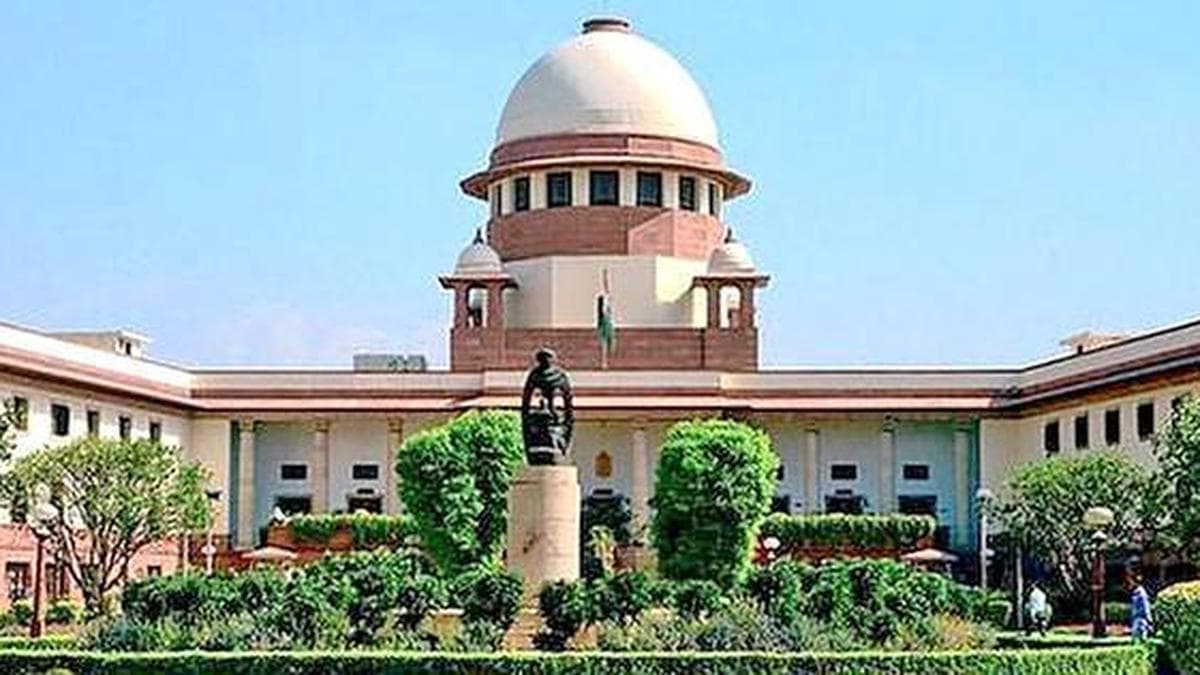
Supreme Court Clarifies Provisions on Police Remand and Legal Counsel Under BNSS
In The State of Andhra Pradesh vs Suda Suresh Veera Venkata Naga Raju, the Supreme Court delivered an important ruling clarifying the scope of police custody and the right to legal representation under the Bharatiya Nagarik Suraksha Sanhita (BNSS). The Court held that Section 187(2) of the BNSS broadens the timeframe within which police custody can be sought, permitting custody in split intervals aggregating up to 15 days across the initial 40 or 60 days of detention, rather than restricting it solely to the first 15 days of remand.
Significance for Criminal Jurisprudence and Governance
This ruling holds vital relevance for UPSC aspirants under General Studies Paper II (Polity and Governance), particularly concerning procedural safeguards, statutory rights of accused persons, and the operational shift from the Code of Criminal Procedure (CrPC) to the BNSS. The judgment resolves critical questions regarding the balance between effective police investigation and the protection of an accused individual's procedural rights.
Live Test Series
Join thousands of aspirants in our weekly live mock tests. Get real-time ranking and detailed analysis.
Key Highlights of the Judgment
- Expansion of Custody Window: Under the erstwhile Section 167 of the CrPC, police remand was strictly confined to the initial 15 days following arrest. Under Section 187(2) of the BNSS, the magistrate can authorise police remand—either in whole or in parts—up to a maximum aggregate of 15 days during the first 40 or 60 days (out of the permissible 60- or 90-day detention period under Section 187(3)). The Court noted this flexibility accounts for newly emerging leads, discoveries, or evidence during an ongoing probe.
- Magisterial Oversight: The bench ruled that supervisory courts cannot impose non-extendable, rigid outer limits that prematurely extinguish the investigating agency's statutory right to seek custody under Section 187(2).
- Scope of Right to an Advocate: Interpreting Section 38 of the BNSS (which corresponds to Section 41-D of the CrPC), the Court clarified that an accused person's entitlement to consult an advocate during interrogation does not grant an unqualified right to continuous legal presence throughout interrogation sessions. Lawyers may remain within visual range but are strictly barred from interfering with investigative questioning.
- Audio-Visual Documentation: The Court ruled that mandatory audio-visual recording applies to interrogation sessions and recovery or discovery proceedings under the Bharatiya Sakshya Adhiniyam, rather than requiring uninterrupted videography during the accused's transit.
Reported by The Hindu — National
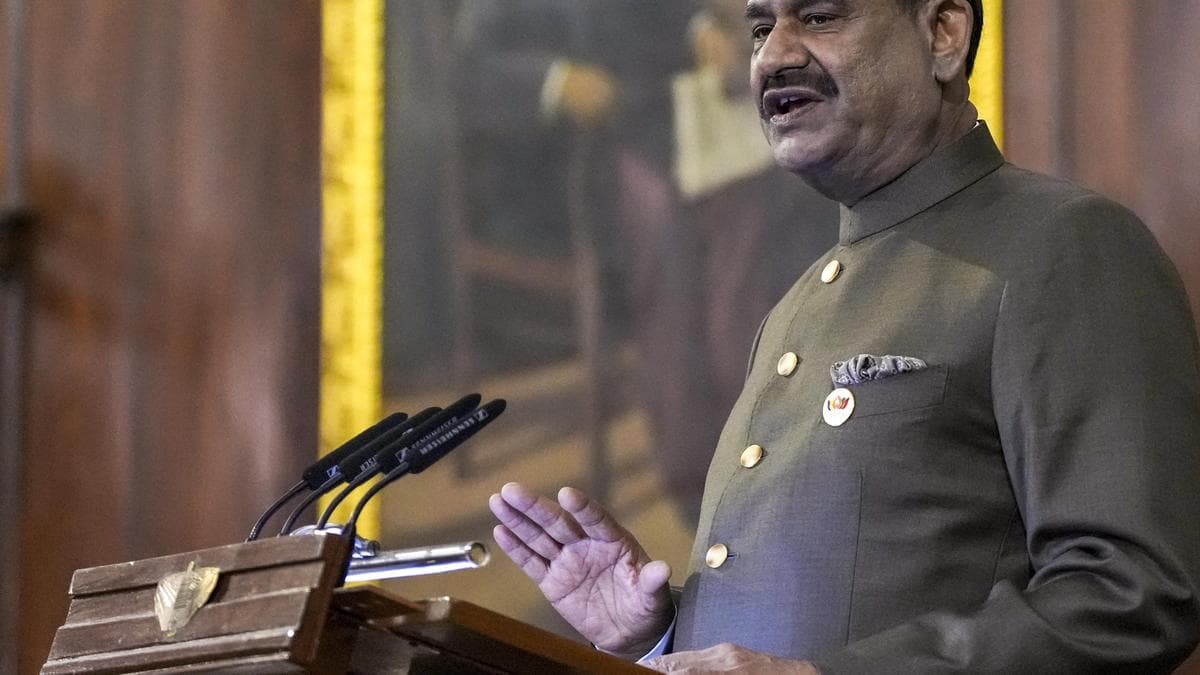
12th BRICS Parliamentary Forum Held in New Delhi Emphasising Multilateral Dialogue and Reform
Oct 26, 2026

IIT Madras Study Examines Unequal Labour Market Impacts of Artificial Intelligence in India
Oct 26, 2026

Houthi Missile Attacks Target Saudi Infrastructure Amid Escalating West Asian Regional Conflict
Oct 26, 2026
Resolving Pricing and Structural Challenges in India's Sugarcane and Sugar Milling Sector
Oct 26, 2026

ICAR-CPRI Develops 'Kufri Jamunia' Biofortified Potato to Tackle Hidden Hunger
Oct 26, 2026