State Fiscal Stresses Highlighted by Revenue Deficits and Committed Liabilities in Telangana
Mid-year fiscal data from Telangana reveals significant fiscal stress, as the state generated only 38.14% of its targeted revenue receipts during the first half of the financial year while committed expenditures surged. The shortfall was driven primarily by an acute lag in non-tax revenue and Union grants-in-aid, even as tax categories like Goods and Services Tax and Sales Tax showed moderate receipts. In contrast, mandatory committed spending—notably interest liabilities and pension payments—absorbed a disproportionate share of the annual budgetary outlay within just six months.
Significance for UPSC Aspirants
This development directly relates to General Studies Paper III under issues concerning government budgeting, fiscal federalism, and the structural dynamics of state finances. Sub-national debt sustainability, quality of public expenditure, and reliance on debt refinancing are crucial dimensions assessed in the civil services examination. The data underscores the vulnerabilities state governments encounter when committed liabilities overwhelm revenue cushions, severely shrinking the fiscal space required for capital creation.
Live Test Series
Join thousands of aspirants in our weekly live mock tests. Get real-time ranking and detailed analysis.
Key Fiscal Concepts and Background
- Committed Liabilities: Unavoidable obligations such as debt servicing, pension commitments, and administrative salaries limit discretionary outlays. High ratios in these categories reduce resources available for socio-economic infrastructure development.
- Debt Refinancing: The practice of taking fresh borrowings to meet maturing debt obligations and accrued interest highlights underlying structural distress and potential liquidity crunches.
- Intergovernmental Fiscal Transfers: Divergences between budgeted and realised grants-in-aid from the Union government impair state budget predictability, affecting sub-national fiscal planning.
- Regional Price Pressures: Disproportionate retail inflation across states can compress real purchasing power and complicate macroeconomic administration across different states and Union Territories.
Reported by The Hindu — National
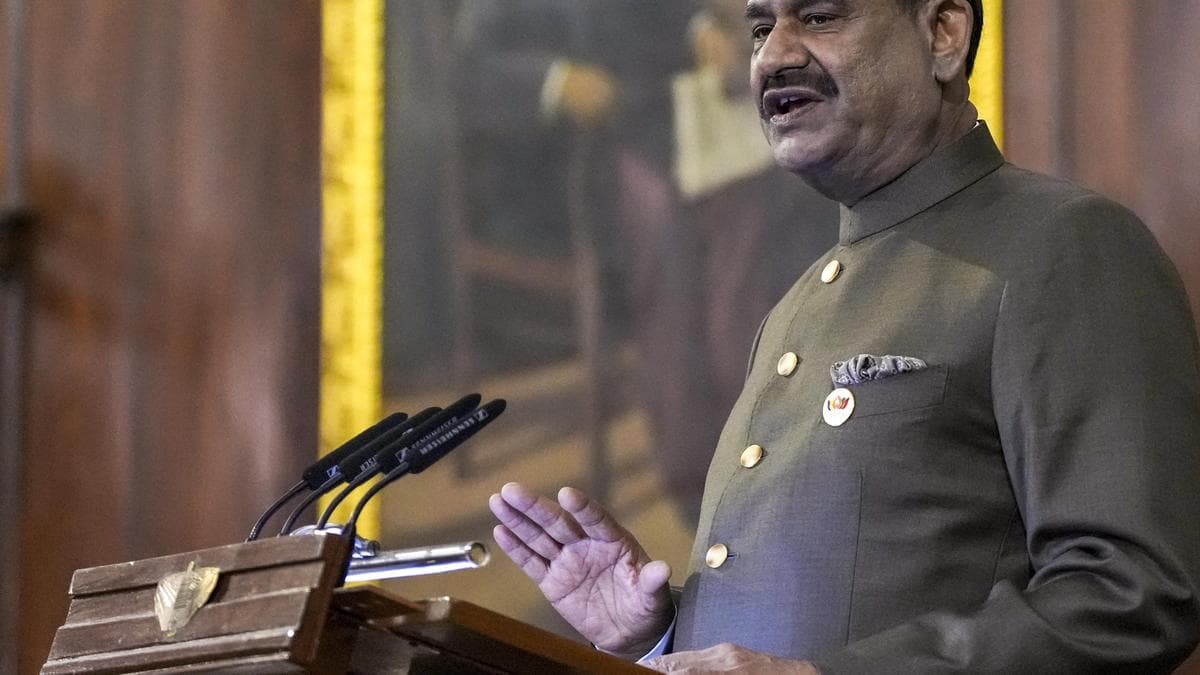
12th BRICS Parliamentary Forum Held in New Delhi Emphasising Multilateral Dialogue and Reform
Oct 26, 2026

IIT Madras Study Examines Unequal Labour Market Impacts of Artificial Intelligence in India
Oct 26, 2026

Houthi Missile Attacks Target Saudi Infrastructure Amid Escalating West Asian Regional Conflict
Oct 26, 2026
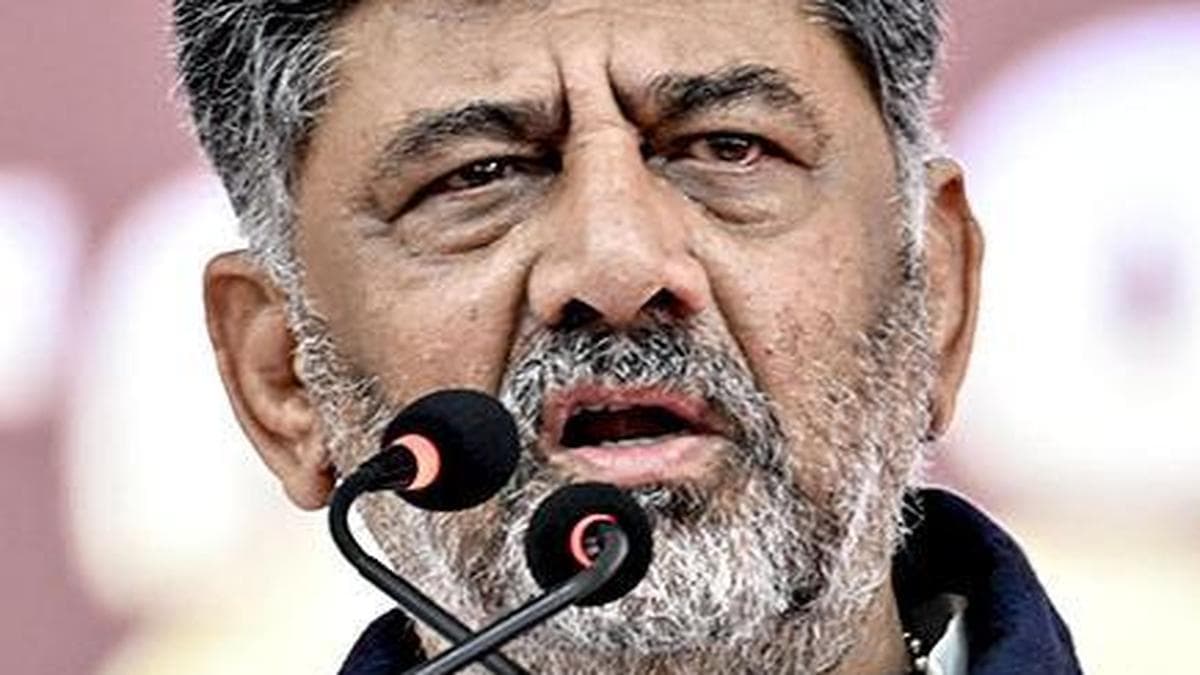
Resolving Pricing and Structural Challenges in India's Sugarcane and Sugar Milling Sector
Oct 26, 2026

ICAR-CPRI Develops 'Kufri Jamunia' Biofortified Potato to Tackle Hidden Hunger
Oct 26, 2026