
Smart Metering Roll-Out and Power Sector Reform Dynamics Under the RDSS
The Electricity Employees’ Federation of India (EEFI) has petitioned the state leadership over administrative holdups in issuing the work order for Phase II of smart electricity metering under the Kerala State Electricity Board (KSEB). Following financial bidding opened on September 5, GridCrest Technologies submitted a quote of ₹1,651.75 crore against an approved project outlay of ₹2,813.59 crore. The union expressed concern that failure to award the contract before the tender expires on November 11 risks the forfeiture of Central grants under the Revamped Distribution Sector Scheme (RDSS) and closes the window for additional state borrowing space.
Relevance to the UPSC Syllabus
Power distribution reforms form a key segment of economic infrastructure, fiscal federalism, and public utility management:
Live Test Series
Join thousands of aspirants in our weekly live mock tests. Get real-time ranking and detailed analysis.
- Fiscal and Operational Linkages: The RDSS links central fiscal assistance and additional state borrowing entitlements to verifiable milestones, especially reducing operational and aggregate technical and commercial (AT&C) losses through smart metering.
- Implementation Architectures: The operational dispute between the CAPEX (capital expenditure) model and the TOTEX (total expenditure) framework highlights governance choices in public infrastructure procurement and utility management.
- Fiscal Federalism: Delays in project implementation can penalise state finances by restricting access to conditional borrowing room sanctioned by the central government.
Background and Administrative Contours
The Phase II smart metering rollout in Kerala aims to cover up to 50 lakh consumers. Resistance from trade unions to the central RDSS-favoured TOTEX model—wherein external service providers manage metering infrastructure—prompted the state to pursue a utility-managed CAPEX mechanism. While the KSEB board sought further governmental clearance on September 29, employee associations contend that protracted procedures threaten time-bound financial incentives, illustrating the ongoing challenges of executing centrally sponsored utility reforms at the state level.
Reported by The Hindu — National
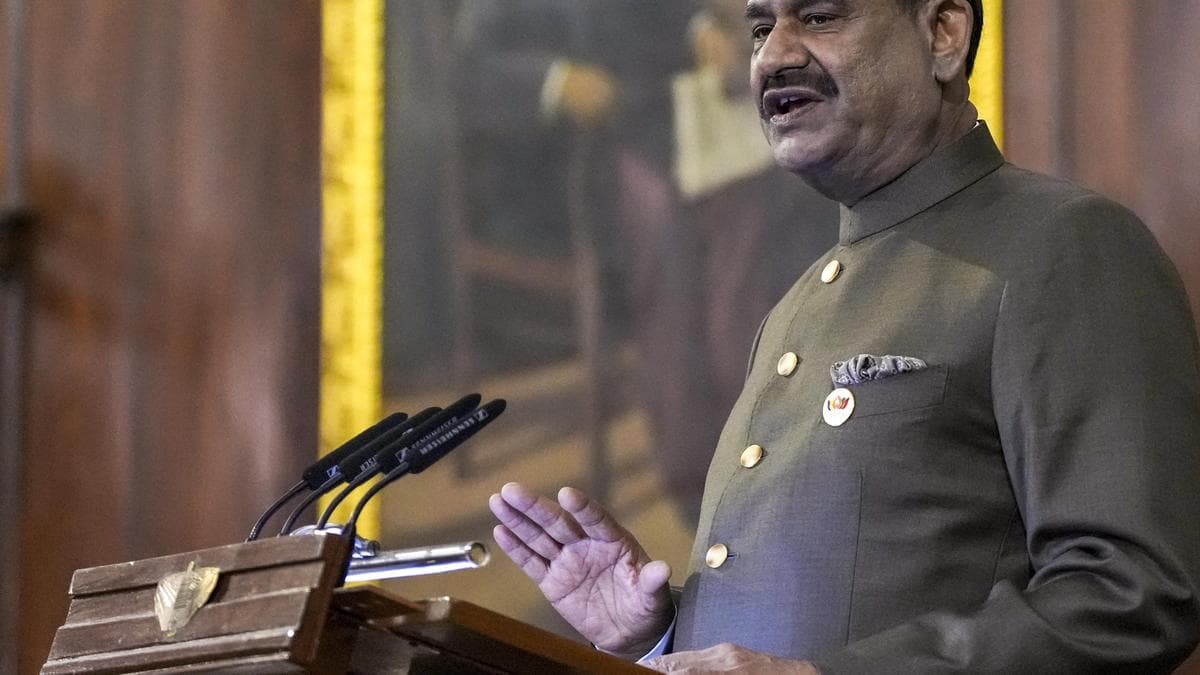
12th BRICS Parliamentary Forum Held in New Delhi Emphasising Multilateral Dialogue and Reform
Oct 26, 2026

IIT Madras Study Examines Unequal Labour Market Impacts of Artificial Intelligence in India
Oct 26, 2026

Houthi Missile Attacks Target Saudi Infrastructure Amid Escalating West Asian Regional Conflict
Oct 26, 2026
Resolving Pricing and Structural Challenges in India's Sugarcane and Sugar Milling Sector
Oct 26, 2026

ICAR-CPRI Develops 'Kufri Jamunia' Biofortified Potato to Tackle Hidden Hunger
Oct 26, 2026