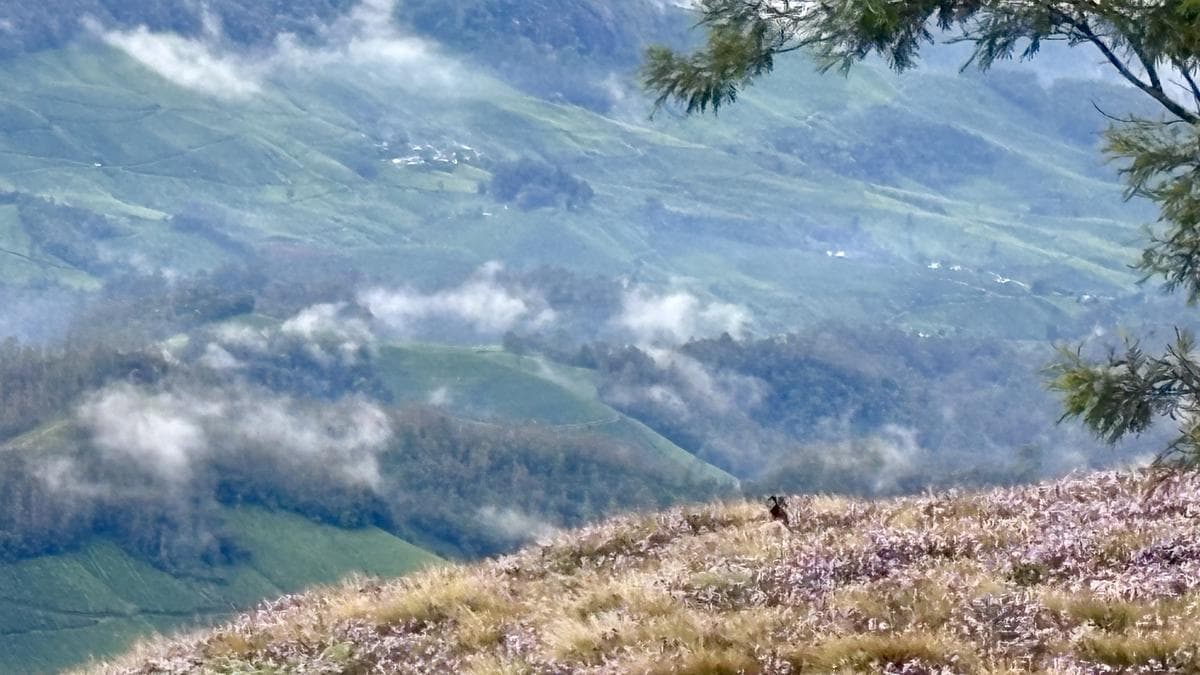
Neelakurinji blooms at high-altitude Meeshapulimala slopes in Kerala
Neelakurinji Blooms at Meeshapulimala
The Kerala Forest Development Corporation has opened regulated trekking access at Meeshapulimala in the Munnar landscape following the rare flowering of Neelakurinji blossoms across its high-altitude slopes. To limit ecological disturbance in the fragile montane terrain, daily footfall has been capped at 750 visitors, with travel slots coordinated through an application developed alongside the Wildlife Trust of India.
Ecological and Botanical Highlights
The occurrence is notable for several ecological factors:
Live Test Series
Join thousands of aspirants in our weekly live mock tests. Get real-time ranking and detailed analysis.
- Altitude Thresholds: Neelakurinji typically does not flower at elevations exceeding 2,500 metres. While peaks like Anamudi lack blooms, slopes surrounding Meeshapulimala at approximately 2,470 metres near the Rhodo Mansion have witnessed active flowering.
- Impact of Weather Patterns: Botanists noted that climatic disruptions linked to the El Niño phenomenon and monsoon variability initially generated apprehensions of delayed or aborted flowering before the current blooms emerged.
- Co-occurrence with Nilgiri Tahr: The high-altitude terrain where the flowering takes place also provides crucial habitat for the endangered Nilgiri tahr, underscoring the ecological sensitivity of opening such zones to ecotourism.
- Flowering Progression: The bloom in this landscape usually moves along an altitudinal gradient, beginning at lower points such as Chokramudy and culminating at upper elevations between October and December.
Relevance for UPSC Aspirants
This event connects to the syllabus themes of Western Ghats montane ecosystems, high-altitude biodiversity, and the susceptibility of plant phenology to global climatic variations such as El Niño. It also serves as a case study in regulated ecotourism management within delicate shola-grassland environments, with the subsequent major blooming cycle in the Munnar region projected to occur at Eravikulam National Park in 2030.
Reported by The Hindu — National

12th BRICS Parliamentary Forum Held in New Delhi Emphasising Multilateral Dialogue and Reform
Oct 26, 2026

IIT Madras Study Examines Unequal Labour Market Impacts of Artificial Intelligence in India
Oct 26, 2026

Houthi Missile Attacks Target Saudi Infrastructure Amid Escalating West Asian Regional Conflict
Oct 26, 2026

Resolving Pricing and Structural Challenges in India's Sugarcane and Sugar Milling Sector
Oct 26, 2026
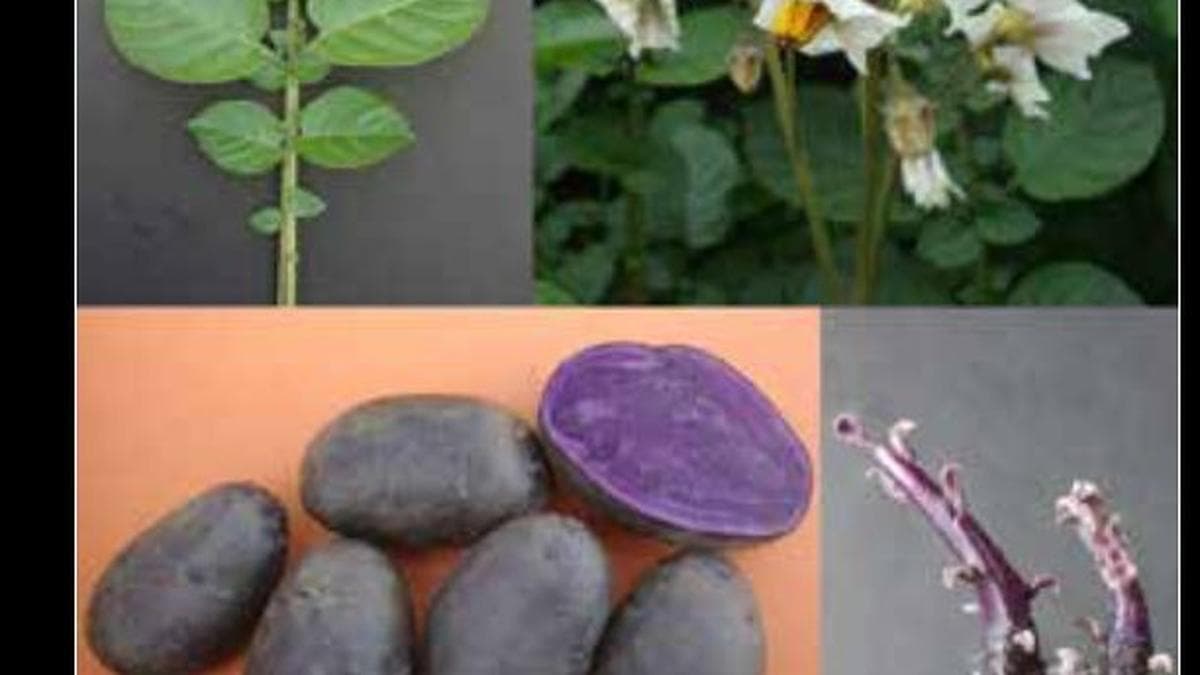
ICAR-CPRI Develops 'Kufri Jamunia' Biofortified Potato to Tackle Hidden Hunger
Oct 26, 2026