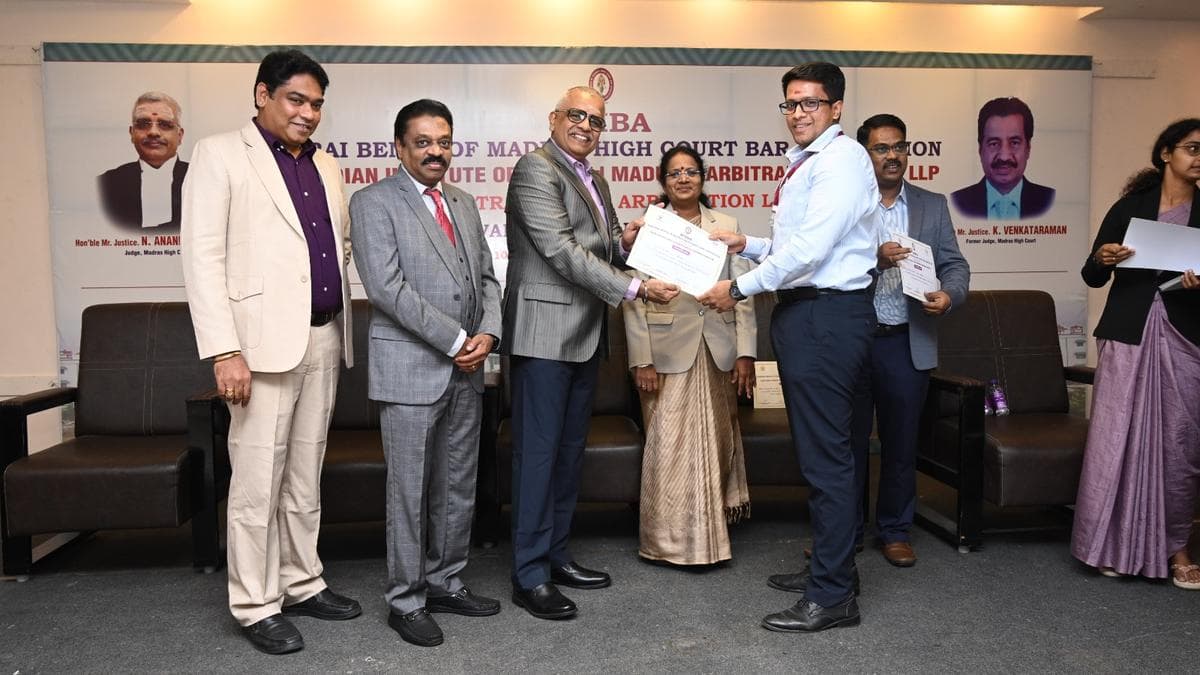
Madras HC Judge Highlights Structural and Ethical Challenges in India's Commercial Arbitration Ecosystem
Speaking at a valedictory session of an arbitration law course organised by the Madurai Bench of the Madras High Court Bar Association, Justice N. Anand Venkatesh of the Madras High Court highlighted significant institutional, ethical, and procedural shortcomings within India's commercial arbitration mechanism. The judge observed that appointments to high-value commercial arbitrations are frequently influenced by lobbying and favouritism rather than objective competence, while also noting systemic deficits in judicial administration and professionalisation.
Key Concerns Raised Regarding Arbitration
- Lobbying and Ethics: Active lobbying by retired judges to secure lucrative arbitral appointments compromises institutional dignity and undermines public faith in the impartiality of alternative dispute resolution (ADR).
- Delays in Arbitral Awards: Overburdening preferred arbitrators results in acute delays in delivering awards. The judge cited an instance where an arbitral award had to be set aside because it took five years to be delivered.
- Discretion Under Section 11(6): Section 11(6) of the Arbitration and Conciliation Act, 1996, provides wide latitude to sitting judges when appointing arbitrators, yet such appointments do not consistently reflect the technical complexity of disputes.
- Judicial Roster Management: The frequent quarterly rotation of arbitration rosters in High Courts hampers speedy disposal. A longer tenure of six to nine months was suggested to enable judges to effectively handle voluminous records under Section 34, which governs applications for setting aside arbitral awards.
- Deficit of Institutional Specialisation: India lacks specialised institutions for arbitrator training and an exclusive arbitration Bar, leaving arbitration largely relegated to part-time or after-hours legal practice.
Relevance to Judicial Reforms
An effective ADR framework is vital to reducing backlogs in constitutional courts and improving the ease of doing business. These observations underscore that strengthening the Arbitration and Conciliation Act, 1996 requires shifting from ad-hoc, relationship-driven arbitrations to transparent, institutionalised systems supported by a dedicated professional Bar and informed judicial oversight.
Live Test Series
Join thousands of aspirants in our weekly live mock tests. Get real-time ranking and detailed analysis.
Reported by The Hindu — National
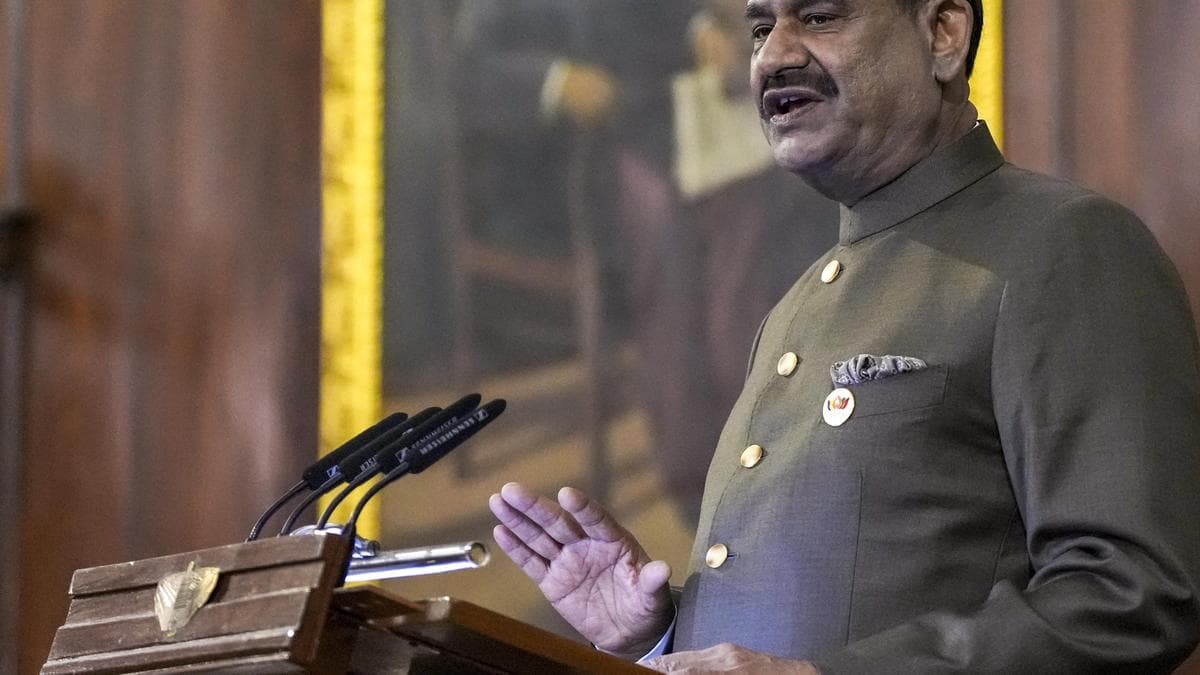
12th BRICS Parliamentary Forum Held in New Delhi Emphasising Multilateral Dialogue and Reform
Oct 26, 2026

IIT Madras Study Examines Unequal Labour Market Impacts of Artificial Intelligence in India
Oct 26, 2026

Houthi Missile Attacks Target Saudi Infrastructure Amid Escalating West Asian Regional Conflict
Oct 26, 2026
Resolving Pricing and Structural Challenges in India's Sugarcane and Sugar Milling Sector
Oct 26, 2026

ICAR-CPRI Develops 'Kufri Jamunia' Biofortified Potato to Tackle Hidden Hunger
Oct 26, 2026