
Kerala Sanctions Funds for Distribution of Social Security and Welfare Fund Board Pensions
Distribution of Welfare and Social Security Pensions
The state government of Kerala has sanctioned budgetary funds for the distribution of social security pensions and welfare fund board pensions to eligible beneficiaries across the state. The measure ensures the transfer of vital financial support to vulnerable groups, including senior citizens, persons with disabilities, and informal sector workers registered under specialized welfare schemes.
Significance for the UPSC Syllabus
Social safety nets and income support programmes form a vital component of General Studies Paper II (Social Justice and Governance) and General Studies Paper III (Inclusive Growth and Resource Mobilisation). Kerala's welfare model is widely examined as a distinct institutional approach to unorganised worker protection. Studying these allocations provides insights into the operational mechanisms of statutory welfare boards, the fiscal dynamics of sub-national social assistance programmes, and the structural challenges of sustaining universal welfare coverage in an aging demographic.
Live Test Series
Join thousands of aspirants in our weekly live mock tests. Get real-time ranking and detailed analysis.
Institutional Architecture of Welfare Fund Boards
Kerala established an extensive network of statutory Welfare Fund Boards to extend institutional safety nets to unorganised and informal labourers who lack formal employer-backed social insurance. Salient dimensions of this framework include:
- Tripartite and Cess-Based Funding: Many boards historically incorporated contributions from workers, employers, and government-levied cesses to build dedicated funds for old-age pensions, maternity assistance, educational grants, and medical aid.
- Broad-Based Direct Assistance: In addition to occupational boards, the state runs targeted social security pensions for vulnerable demographics, complementing national-level initiatives like the National Social Assistance Programme (NSAP).
- Fiscal Sustainability: Given the state's high demographic transition and expanding elderly population, the recurring financial commitment for social pensions forms a substantial portion of revenue expenditure. Ensuring steady disbursements often requires careful treasury and liquidity management by the state government.
Efficient delivery through direct benefit transfers and periodic roll verification remain essential to balance fiscal prudence with meaningful social security for informal workers.
Reported by The Hindu — National
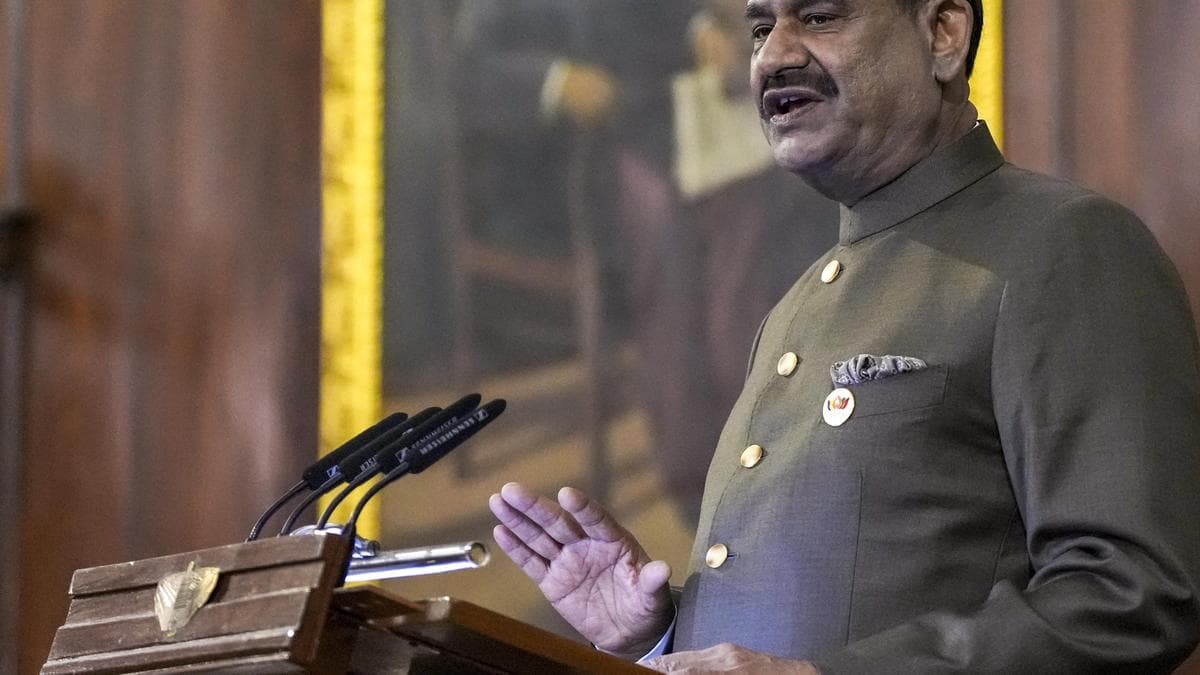
12th BRICS Parliamentary Forum Held in New Delhi Emphasising Multilateral Dialogue and Reform
Oct 26, 2026

IIT Madras Study Examines Unequal Labour Market Impacts of Artificial Intelligence in India
Oct 26, 2026

Houthi Missile Attacks Target Saudi Infrastructure Amid Escalating West Asian Regional Conflict
Oct 26, 2026
Resolving Pricing and Structural Challenges in India's Sugarcane and Sugar Milling Sector
Oct 26, 2026

ICAR-CPRI Develops 'Kufri Jamunia' Biofortified Potato to Tackle Hidden Hunger
Oct 26, 2026