
Integrating Vehicle Retrofitment into India's Electric Mobility and Circular Economy Framework
India's clean mobility framework is increasingly recognising the need to balance vehicle scrapping with retrofitting, embedding genuine circular economy principles into the transport decarbonisation drive. While policy measures have created formal recycling channels, incorporating retrofitment allows vehicles with sound structural integrity to transition into electric mobility by replacing internal combustion engines with electric powertrains, rather than discarding them prematurely.
Significance for UPSC
For sustainable industrial policy and environmental governance, this distinction highlights the circular economy hierarchy: reducing consumption, reusing existing assets, and recycling materials only when products exhaust their utility. In competitive examinations, transport sector decarbonisation intersects with resource efficiency, industrial waste management, and commitments under United Nations Sustainable Development Goal 12 (Responsible Consumption and Production).
Live Test Series
Join thousands of aspirants in our weekly live mock tests. Get real-time ranking and detailed analysis.
Current Framework and Key Statistics
- Regulatory Backing: End-of-life vehicle management is governed by the Motor Vehicles (Registration and Functions of Vehicle Scrapping Facility) Rules, 2021 and the Environment Protection (End of Life Vehicles) Rules, 2025.
- Operational Progress: By January 2026, India established 129 Registered Vehicle Scrapping Facilities spanning 21 States and Union Territories, handling 4.3 lakh vehicles.
- Resource Trade-offs: Scrapping a single two-wheeler generates roughly 90 kg of recyclable substances and 18 kg of landfill residue. Applied across India’s fleet of approximately 30 crore vehicles, relying exclusively on scrapping would create 2.7 crore tonnes of recyclable materials alongside 0.54 crore tonnes of landfill waste.
Proposed Three-Tier Vehicle Hierarchy
To avoid unnecessary waste and ensure resource efficiency, experts advocate a condition-based approach rather than relying solely on vehicle age:
- Routine Operation: Vehicles that remain roadworthy, safe, and emission-compliant continue normal usage with regular servicing.
- Electric Retrofitment: Vehicles retaining intact chassis and body structures but running on outdated, polluting engines are converted to electric drivetrains via certified technologies, preserving embedded functionality.
- Scrapping and Material Recovery: Vehicles suffering severe corrosion, accidental structural damage, or critical safety compromises proceed to certified dismantling facilities for recycling.
Reported by The Hindu — National
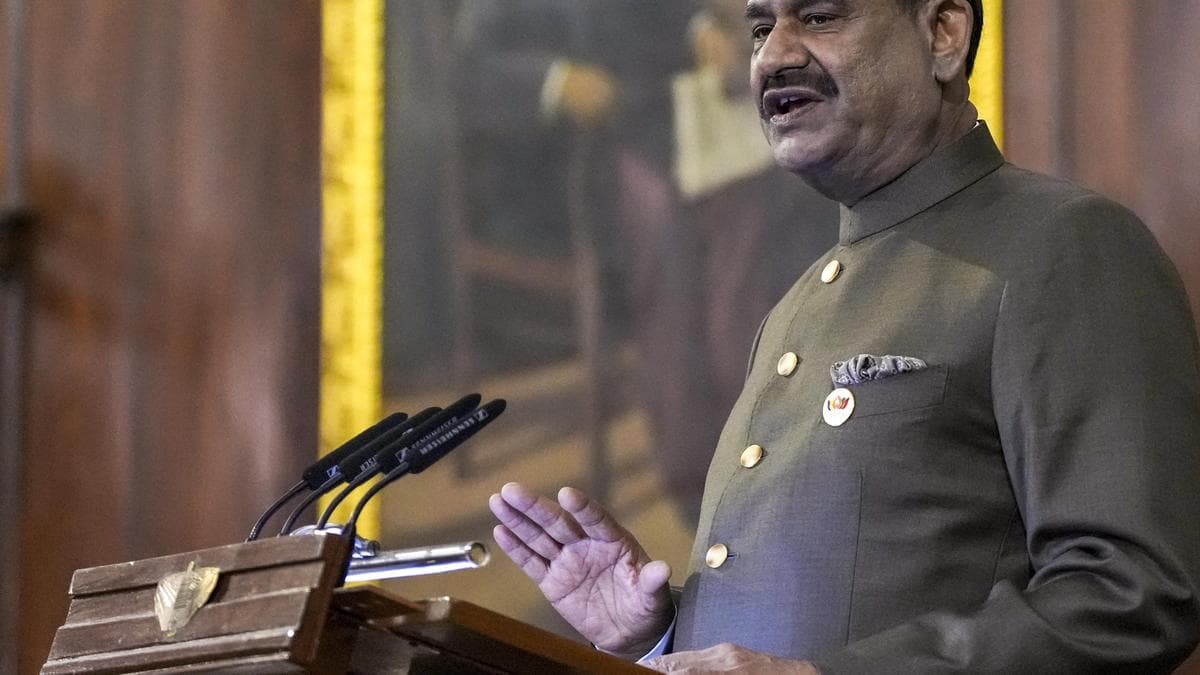
12th BRICS Parliamentary Forum Held in New Delhi Emphasising Multilateral Dialogue and Reform
Oct 26, 2026

IIT Madras Study Examines Unequal Labour Market Impacts of Artificial Intelligence in India
Oct 26, 2026

Houthi Missile Attacks Target Saudi Infrastructure Amid Escalating West Asian Regional Conflict
Oct 26, 2026
Resolving Pricing and Structural Challenges in India's Sugarcane and Sugar Milling Sector
Oct 26, 2026

ICAR-CPRI Develops 'Kufri Jamunia' Biofortified Potato to Tackle Hidden Hunger
Oct 26, 2026