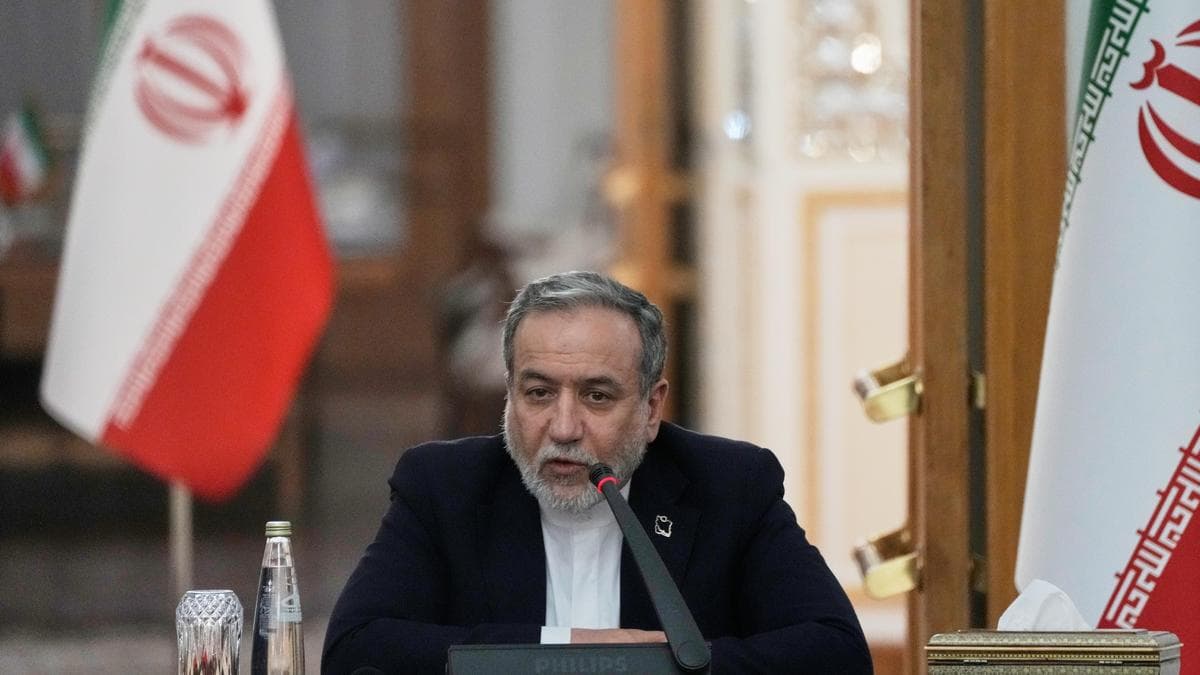
Geopolitical Tensions in the Strait of Hormuz and Strategic Energy Security Concerns
Iranian Foreign Minister Abbas Araghchi announced that potential escalation or resumption of hostilities involving Israel and the United States would not alter Tehran's regional policy, asserting that enduring regional stability necessitates the withdrawal of foreign forces. The statement followed warnings from Washington regarding prospective strikes, coming in the wake of an April 8 ceasefire that halted large-scale warfare between Iran and the United States. Despite the truce and a June memorandum of understanding aimed at formalising peace, the agreement collapsed due to reciprocal allegations of violations, leaving persistent friction around maritime navigation in the Strait of Hormuz.
Significance for UPSC Aspirants
Developments in the Persian Gulf and the Strait of Hormuz have profound implications for General Studies Paper II (International Relations) and General Studies Paper I (World Geography):
Live Test Series
Join thousands of aspirants in our weekly live mock tests. Get real-time ranking and detailed analysis.
- Energy Security: The Strait of Hormuz remains the world's most critical maritime choke point for petroleum transit. Disruptions or threats to commercial tankers directly affect international hydrocarbon supplies and elevate insurance premiums.
- Critical Infrastructure Vulnerability: Modern conflict doctrines increasingly target subsea telecommunication cables and vital shipping corridors, posing severe challenges to global economic interconnectivity.
- Strategic Balance in West Asia: Maritime counter-blockades, naval friction, and unresolved negotiations underscore the fragility of regional ceasefires and the ongoing contest between regional powers and external naval forces.
Context and Background
Hostilities that commenced in early 2026 led to Iranian attempts to exercise authority over vessels navigating the Strait of Hormuz, met by a United States naval counter-blockade on Iranian ports. The subsequent unraveling of the June memorandum reflects entrenched diplomatic distrust. For energy-importing economies like India, peace in West Asia is vital not only for uninterrupted crude and gas flows but also for safeguarding maritime shipping lanes and protecting the welfare of millions of diaspora workers resident in the wider Gulf region.
Reported by The Hindu — International
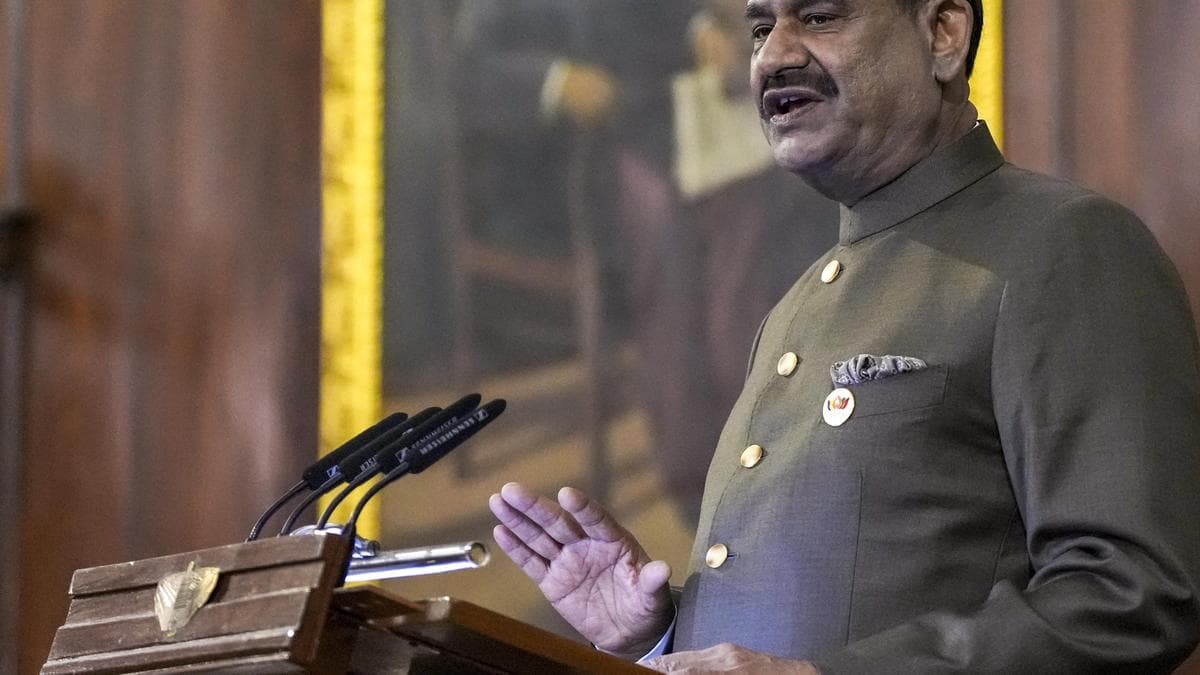
12th BRICS Parliamentary Forum Held in New Delhi Emphasising Multilateral Dialogue and Reform
Oct 26, 2026

IIT Madras Study Examines Unequal Labour Market Impacts of Artificial Intelligence in India
Oct 26, 2026

Houthi Missile Attacks Target Saudi Infrastructure Amid Escalating West Asian Regional Conflict
Oct 26, 2026
Resolving Pricing and Structural Challenges in India's Sugarcane and Sugar Milling Sector
Oct 26, 2026

ICAR-CPRI Develops 'Kufri Jamunia' Biofortified Potato to Tackle Hidden Hunger
Oct 26, 2026