Electoral Roll Integrity and Official Accountability Under the Representation of the People Act, 1950
The Chief Electoral Officer (CEO) of Uttar Pradesh removed five Booth Level Officers (BLOs) and a computer assistant from election duties and initiated departmental proceedings against an Electoral Registration Officer (ERO) and two Assistant Electoral Registration Officers (AEROs). The disciplinary action followed an inquiry by the District Election Officer into clerical errors and duplicate entries in the Azamgarh assembly constituency voter list, where multiple individuals were erroneously registered under the same name. Officials utilized Form-8 to correct erroneous particulars, while senior officials faced scrutiny under Section 32 of the Representation of the People Act, 1950.
Relevance to the UPSC Syllabus
In General Studies Paper II, the syllabus explicitly includes the Salient features of the Representation of the People’s Act, elections, and the institutional mechanisms ensuring free and fair polling. Maintaining the fidelity and accuracy of electoral rolls is a cornerstone of democratic governance and constitutional morality. The administrative and statutory mechanisms designed to prevent disenfranchisement, identity duplication, and bureaucratic negligence illustrate how statutory laws hold polling personnel accountable.
Live Test Series
Join thousands of aspirants in our weekly live mock tests. Get real-time ranking and detailed analysis.
Statutory and Administrative Framework
- Representation of the People Act (RPA), 1950: Unlike the RPA 1951, which governs the actual conduct of elections and post-poll disputes, the RPA 1950 lays down qualifications of voters, delimitation of constituencies, and the machinery for the preparation, revision, and maintenance of electoral rolls.
- Section 32 of RPA, 1950: This statutory provision penalizes breach of official duty regarding the preparation, revision, or correction of electoral rolls. Under this section, electoral registration personnel guilty of any act or omission in breach of official duty without reasonable cause face departmental and legal penal consequences.
- Administrative Hierarchy: The supervision of voter lists operates through a tiered structure under the Election Commission of India: the Chief Electoral Officer at the state level, the District Election Officer at the district tier, Electoral Registration Officers and AEROs at the constituency level, and Booth Level Officers operating at the polling station tier.
- Correction Mechanisms: The statutory framework provides designated statutory forms under the Registration of Electors Rules, such as Form-8, which allows voters and election officials to update demographic particulars, rectify misprinted information, and eliminate duplicate entries.
Reported by The Hindu — National
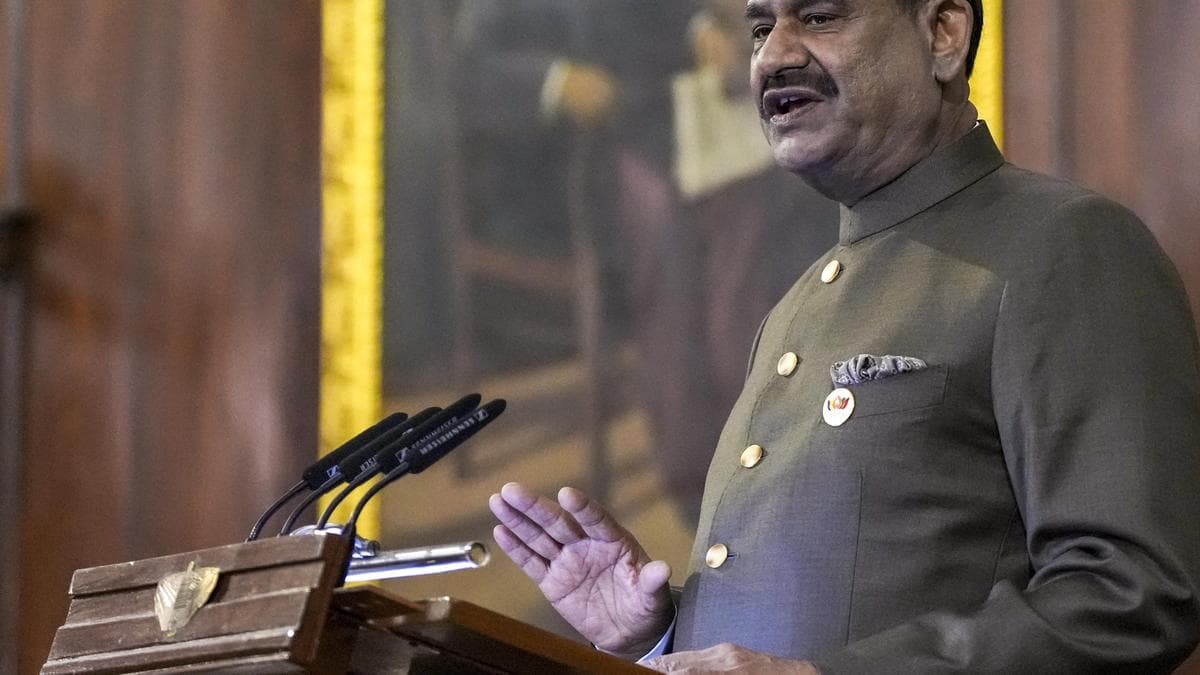
12th BRICS Parliamentary Forum Held in New Delhi Emphasising Multilateral Dialogue and Reform
Oct 26, 2026

IIT Madras Study Examines Unequal Labour Market Impacts of Artificial Intelligence in India
Oct 26, 2026

Houthi Missile Attacks Target Saudi Infrastructure Amid Escalating West Asian Regional Conflict
Oct 26, 2026
Resolving Pricing and Structural Challenges in India's Sugarcane and Sugar Milling Sector
Oct 26, 2026

ICAR-CPRI Develops 'Kufri Jamunia' Biofortified Potato to Tackle Hidden Hunger
Oct 26, 2026