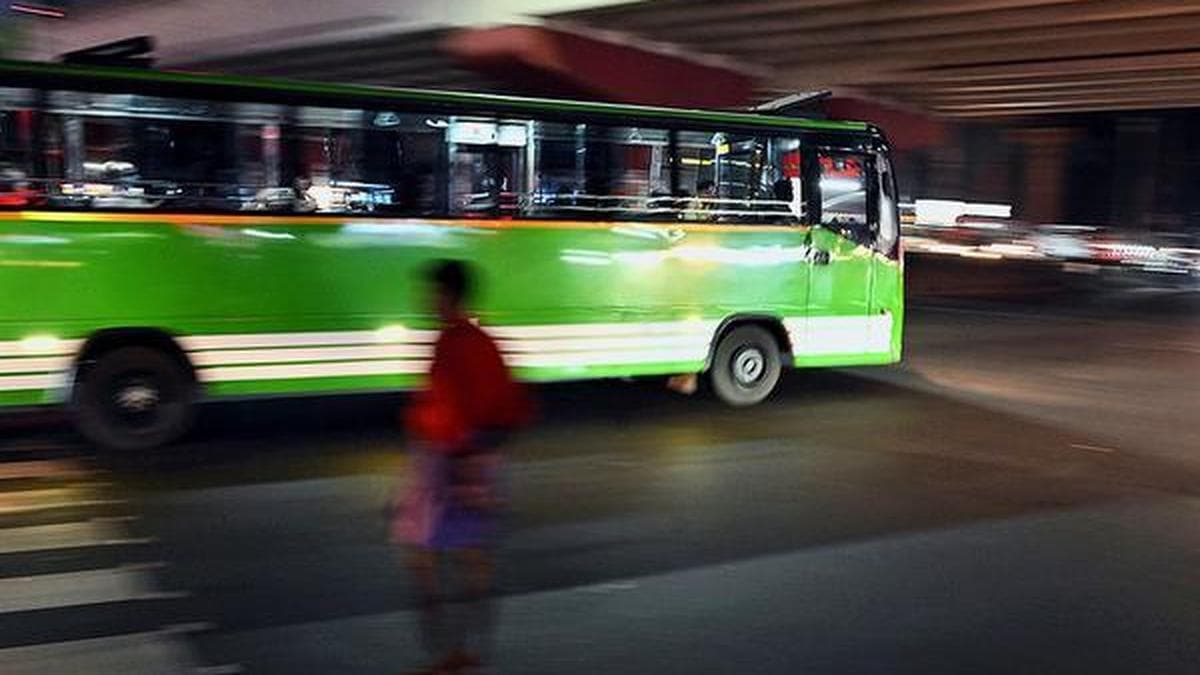
Dynamic Bus-Scheduling System Planned for Greater Kochi to Curb Reckless Driving
Context
The Motor Vehicles Department (MVD) in Kerala, in coordination with the Kochi Metropolitan Transport Authority (KMTA) and the Ernakulam Regional Transport Authority (RTA), is planning to establish a dynamic bus-scheduling system for approximately 500 private city buses serving the Greater Kochi area.
Key Regulatory and Operational Reforms
- Judicial Oversight: The administrative shift follows multiple directives from the Kerala High Court mandating the MVD and law enforcement agencies to eliminate reckless driving, dangerous overtaking, and hazardous competition among private bus operators.
- Overhaul of Outdated Timelines: A meeting of the KMTA, chaired by the Transport Minister, identified that the statutory transit running benchmark of 2.5 minutes per kilometre was instituted four decades ago. Rapid vehicular expansion and junction congestion have made this allotment unrealistic, creating structural incentives for speeding.
- Coordinated Institutional Action: The Ernakulam RTA, presided over by the District Collector and comprising police and transport officials, is convened to implement dynamic schedules based on live traffic feeds. In addition, an inspection committee composed of motor vehicle inspectors has been assigned to rationalise route networks, resolve scheduling conflicts between private operators and KSRTC buses, and reallocate services toward underserved routes.
- Digital Integration: The operational architecture plans to incorporate real-time data inputs from the 'Kerala Buses' application to continuously calibrate transit durations in accordance with actual road conditions.
Relevance for Governance and Public Administration
This initiative offers a practical case study in modernising urban transport governance through technology-driven interventions. For aspirants, it demonstrates how urban mobility challenges—arising from decades-old regulatory frameworks, road safety deficits, and institutional fragmentation—can be addressed through intelligent transportation mechanisms. Effective metropolitan transit management requires statutory transport bodies to utilise dynamic scheduling, resolve operational overlaps between public and private carriers, and deploy digital surveillance to safeguard commuter safety.
Live Test Series
Join thousands of aspirants in our weekly live mock tests. Get real-time ranking and detailed analysis.
Reported by The Hindu — National
12th BRICS Parliamentary Forum Held in New Delhi Emphasising Multilateral Dialogue and Reform
Oct 26, 2026

IIT Madras Study Examines Unequal Labour Market Impacts of Artificial Intelligence in India
Oct 26, 2026

Houthi Missile Attacks Target Saudi Infrastructure Amid Escalating West Asian Regional Conflict
Oct 26, 2026
Resolving Pricing and Structural Challenges in India's Sugarcane and Sugar Milling Sector
Oct 26, 2026

ICAR-CPRI Develops 'Kufri Jamunia' Biofortified Potato to Tackle Hidden Hunger
Oct 26, 2026