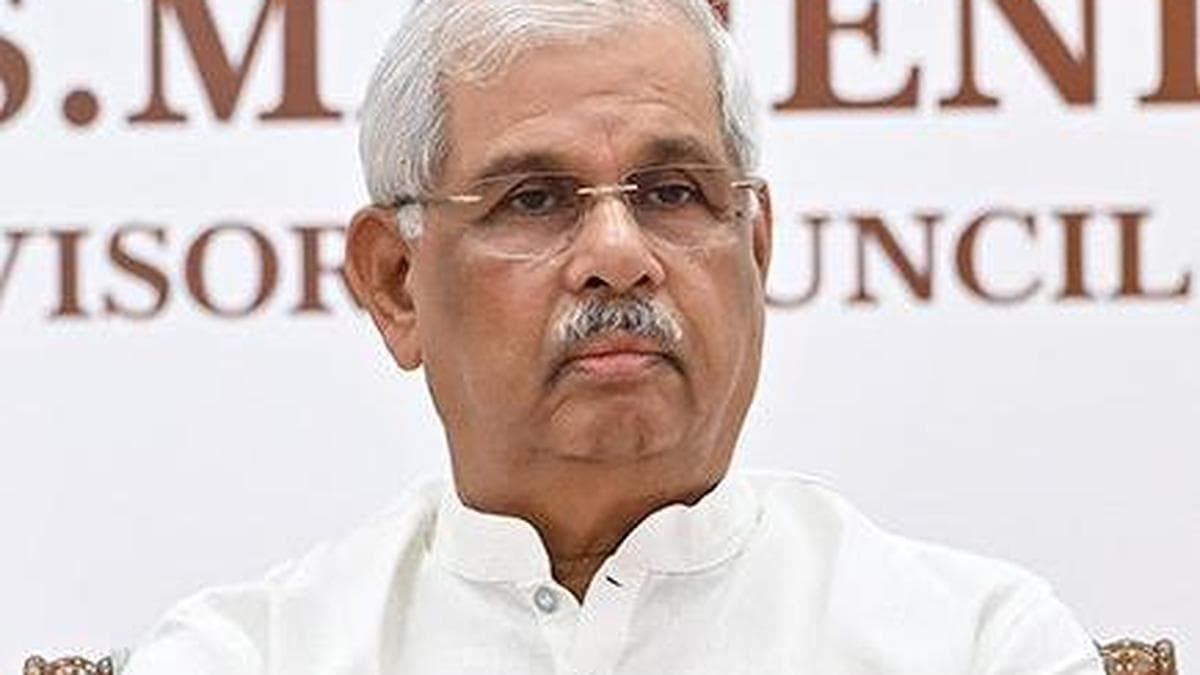
Constitutional Procedure for Removal of State Public Service Commission Heads under Article 317
A constitutional controversy arose after reports revealed that former Kerala Governor Rajendra Vishwanath Arlekar recommended to President Droupadi Murmu the removal of the Kerala Public Service Commission (PSC) chairperson, M.R. Baiju. The recommendation came shortly before Arlekar demitted office and was succeeded by Om Prakash Mathur. The communication followed an ongoing Crime Branch investigation into alleged irregularities in a recruitment examination conducted by the commission for certain posts in the State Planning Board.
Constitutional Relevance and Key Issues
The incident highlights the constitutional mechanisms designed to protect the autonomy of constitutional bodies and the legal boundaries governing gubernatorial discretion:
Live Test Series
Join thousands of aspirants in our weekly live mock tests. Get real-time ranking and detailed analysis.
- Removal Safeguards under Article 317: The Constitution provides robust security of tenure to members of State Public Service Commissions. Under Article 317, the chairperson or any member can be removed from office by an order of the President on the ground of misbehaviour only after the Supreme Court, upon a reference, conducts an inquiry and recommends removal.
- Discretion and Aid and Advice (Article 163): The controversy touches upon the constitutional role of the Governor, who is generally required under Article 163 to act on the aid and advice of the Council of Ministers, raising questions about whether a Governor can act independently in seeking the removal of constitutional functionaries.
- Institutional Independence: State Public Service Commissions require insulation from executive interference to ensure fair, merit-based selection to public offices. Bypassing mandatory judicial inquiries risks undermining institutional safeguards.
Constitutional Framework and Background
The framers of the Constitution created Public Service Commissions as autonomous bodies to ensure that appointments to public services remain free from political patronage. Because these bodies oversee selections to the civil services, their members are granted protections similar to superior court judges. By mandating a Supreme Court inquiry prior to removal on grounds of misbehaviour, Article 317 prevents arbitrary dismissals and maintains the separation between executive authority and regulatory recruitment bodies.
Reported by The Hindu — National
12th BRICS Parliamentary Forum Held in New Delhi Emphasising Multilateral Dialogue and Reform
Oct 26, 2026

IIT Madras Study Examines Unequal Labour Market Impacts of Artificial Intelligence in India
Oct 26, 2026

Houthi Missile Attacks Target Saudi Infrastructure Amid Escalating West Asian Regional Conflict
Oct 26, 2026
Resolving Pricing and Structural Challenges in India's Sugarcane and Sugar Milling Sector
Oct 26, 2026

ICAR-CPRI Develops 'Kufri Jamunia' Biofortified Potato to Tackle Hidden Hunger
Oct 26, 2026