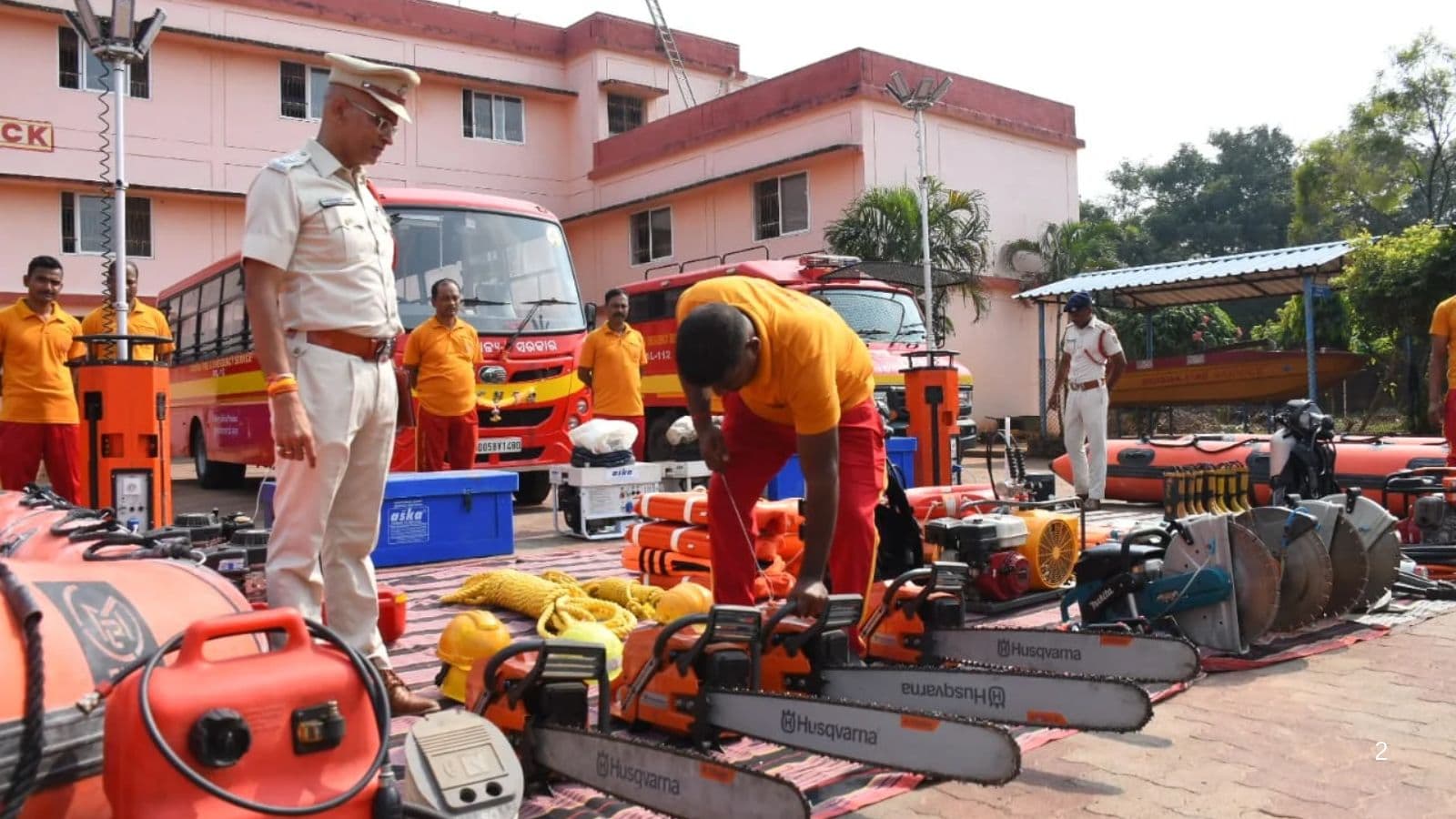
Bay of Bengal Severe Cyclonic System Prompts Multi-Agency Evacuation and Disaster Response
The India Meteorological Department tracked an intensifying weather system over the Bay of Bengal, projecting its escalation into a very severe cyclonic storm headed toward the east coast of India. In response, disaster mitigation and management mechanisms were operationalised, with large-scale evacuations, cancellation of administrative leave, and the deployment of specialised disaster response forces to maintain a zero-casualty target across vulnerable coastal and interior districts.
Significance for UPSC Aspirants
This event illustrates critical concepts in General Studies Paper I (tropical cyclone genesis and meteorology) and General Studies Paper III (disaster management and disaster risk reduction protocols). Understanding the mechanisms of post-monsoon cyclogenesis in the Bay of Bengal, coupled with standard institutional evacuation and relief response architecture under the Disaster Management framework, forms an essential part of the syllabus.
Live Test Series
Join thousands of aspirants in our weekly live mock tests. Get real-time ranking and detailed analysis.
Key Geographical and Disaster Management Aspects
- Post-Monsoon Cyclogenesis: The Bay of Bengal routinely experiences intense cyclonic activity during October and November, sustained by high sea-surface temperatures, low vertical wind shear, and active inter-tropical convergence dynamics.
- Multi-Tiered Response Machinery: Preparedness relies on joint efforts between specialised federal units like the National Disaster Response Force and state-level counterparts such as State Disaster Rapid Action Forces, working with local emergency and fire services.
- Institutional Protocols: The administrative playbook emphasises standard operating procedures such as early warnings, proactive evacuation of vulnerable settlements, continuous meteorological bulletins, marine advisories, and inter-departmental administrative readiness to protect human life and critical infrastructure.
Reported by Indian Express — India

12th BRICS Parliamentary Forum Held in New Delhi Emphasising Multilateral Dialogue and Reform
Oct 26, 2026

IIT Madras Study Examines Unequal Labour Market Impacts of Artificial Intelligence in India
Oct 26, 2026

Houthi Missile Attacks Target Saudi Infrastructure Amid Escalating West Asian Regional Conflict
Oct 26, 2026
Resolving Pricing and Structural Challenges in India's Sugarcane and Sugar Milling Sector
Oct 26, 2026

ICAR-CPRI Develops 'Kufri Jamunia' Biofortified Potato to Tackle Hidden Hunger
Oct 26, 2026