
SARAS Mela Highlights Value Addition and Market Linkages for Women Entrepreneurs
What happened: At the National SARAS Mela–2026 held in Vijayawada, Minister of State for Consumer Affairs, Food and Public Distribution Nimuben Jayantibhai Bambhaniya urged women entrepreneurs from Self Help Groups (SHGs) to prioritize quality and attractive packaging. She emphasized that superior product presentation elevates customer interest, enhances market appeal, and boosts sales. Bambhaniya underlined Prime Minister Narendra Modi's vision of creating Lakhpati Didis to ensure rural women attain financial self-reliance and transition from wage earners into independent employment creators. Data from the A.P. State Rural Livelihoods Mission demonstrated substantial commercial engagement at the venue, recording ₹7.17 crore in cumulative sales and the purchase of 2.77 lakh products between October 15 and 23.
Significance for Governance and Social Justice
The intervention addresses core dimensions of rural development, inclusive economic growth, and women's empowerment:
Live Test Series
Join thousands of aspirants in our weekly live mock tests. Get real-time ranking and detailed analysis.
- Socio-Economic Graduation: Moving rural women from daily-wage dependency toward enterprise ownership through the Lakhpati Didis framework stimulates rural capital formation and female labour force participation.
- Bridging Market Disconnects: Although rural collectives produce genuine handicraft and artisanal goods, deficits in branding, standardization, and packaging often limit their commercial reach in urban retail spaces.
- Direct Market Access: Fairs like the SARAS Mela serve as institutional mechanisms to eliminate predatory middlemen, allowing primary producers to capture maximum value from their output.
Background on Rural Enterprise and Value Addition
Micro-enterprises spearheaded by women's collectives have increasingly shifted focus from basic microcredit pooling to commercial production. However, sustaining independent business ventures requires moving beyond production to downstream value addition. Packaging and aesthetic presentation are critical marketing components that bridge the trust deficit among consumers, allowing rural producers to charge viable commercial prices and sustain viable livelihoods.
Reported by The Hindu — National
Related Test Series
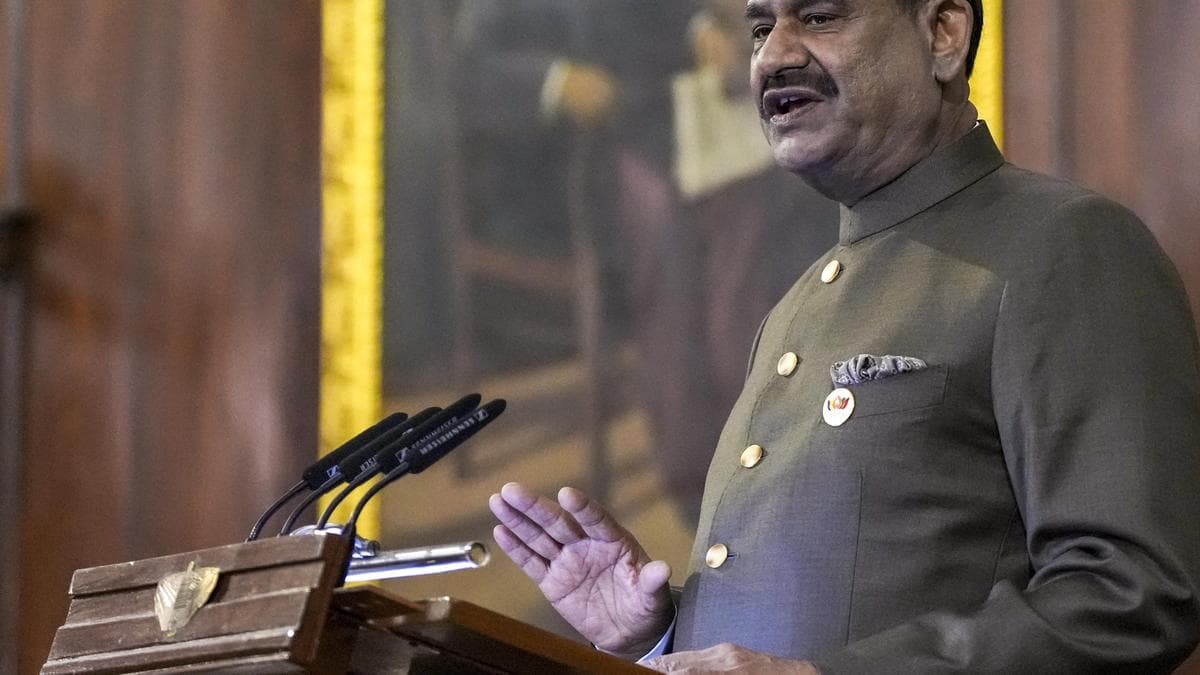
12th BRICS Parliamentary Forum Held in New Delhi Emphasising Multilateral Dialogue and Reform
Oct 26, 2026

IIT Madras Study Examines Unequal Labour Market Impacts of Artificial Intelligence in India
Oct 26, 2026

Houthi Missile Attacks Target Saudi Infrastructure Amid Escalating West Asian Regional Conflict
Oct 26, 2026
Resolving Pricing and Structural Challenges in India's Sugarcane and Sugar Milling Sector
Oct 26, 2026

ICAR-CPRI Develops 'Kufri Jamunia' Biofortified Potato to Tackle Hidden Hunger
Oct 26, 2026