
Special Intensive Revision of Electoral Rolls and Federal Pricing Mechanism for Sugarcane
Administrative and policy questions were highlighted regarding the Election Commission of India's Special Intensive Revision of electoral rolls alongside the statutory allocation of pricing powers for commercial crops. Scrutiny was raised over bulk third-party objections filed against eligible voters, underscoring the procedural safeguards required to protect citizens from improper removal. Concurrently, jurisdictional clarity was emphasized concerning the authority of the Union government versus the State government in setting the Fair and Remunerative Price for sugarcane and adjusting the Minimum Selling Price for sugar.
Significance for Electoral Integrity and Federal Governance
- Protection of Franchise Rights: The Special Intensive Revision steered by the Election Commission of India serves to keep voter rolls transparent and accurate. Enforcing strict scrutiny against bulk third-party challenges prevents the disenfranchisement of vulnerable and deprived communities. Regulatory procedures stipulate that a formal notice must be issued within seven days following application submissions to penalize intentionally unsubstantiated objections and deter misuse.
- Center-State Division of Powers: Agricultural price regulation demonstrates the distribution of responsibilities between central and regional authorities. While state administrations communicate demands from local cultivators and processing mills, statutory authority to fix the Fair and Remunerative Price for sugarcane resides with the Union government. Likewise, determining revisions to the Minimum Selling Price for sugar falls under central jurisdiction, reflecting federal control over agricultural commodities.
Operational and Policy Framework
The Election Commission of India conducts periodic roll revision drives to reconcile voter lists through verified institutional channels. Strict procedural checks ensure that genuine electors remain protected and that bad-faith applications face legal repercussions. In the agricultural sector, resolving price disparities requires structured tripartite interactions involving the Union government, state leadership, farming representatives, and sugar mills to balance agrarian remuneration with industrial viability.
Live Test Series
Join thousands of aspirants in our weekly live mock tests. Get real-time ranking and detailed analysis.
Reported by The Hindu — National
Reservation Policy, Religious Conversion and Social Backwardness in India with Question
Oct 16, 2026

Debate Over Jammu and Kashmir Reservation Policy and the Fifty Percent Quota Cap
Oct 16, 2026
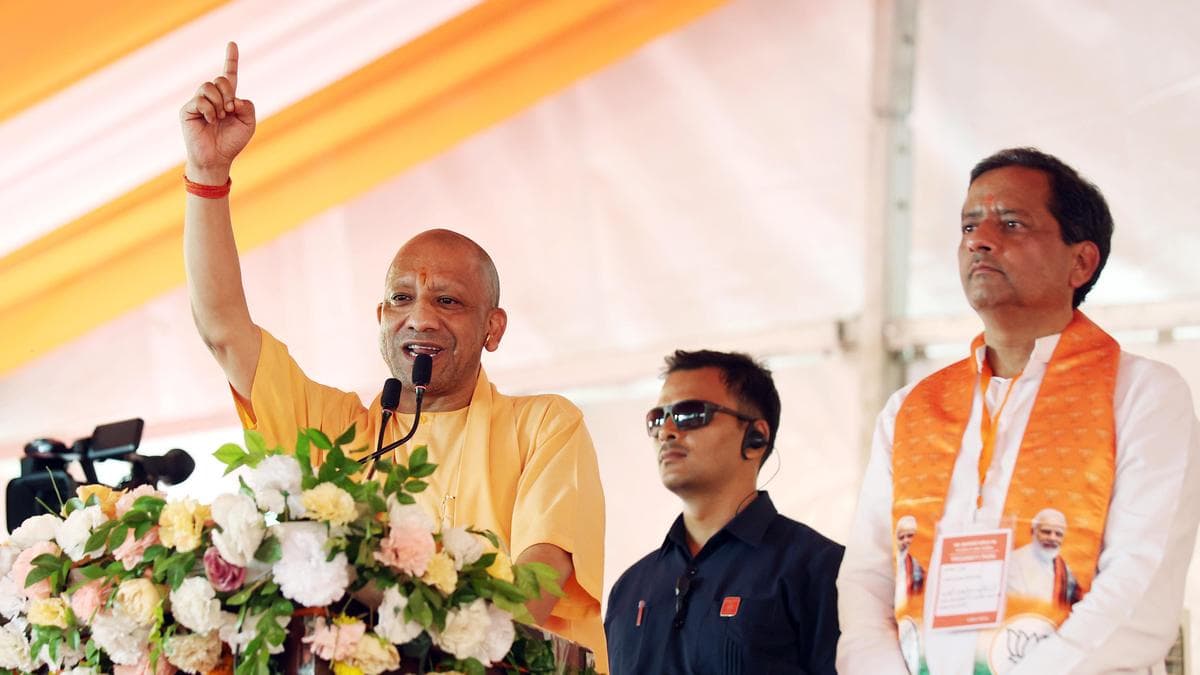
Uttar Pradesh Initiates Housing Projects for the Urban Poor on Reclaimed Land in Prayagraj
Oct 16, 2026
DGMA Restricts Indian Seafarer Deployment in Sarawak and Mandates Insurance Safeguards
Oct 16, 2026
Administrative Protocol and Order of Precedence for Members of Parliament at Public Functions
Oct 16, 2026