Reservation Policy, Religious Conversion and Social Backwardness in India with Question
Question:
With reference to the Supreme Court of India’s recent ruling (October 2025/2026) on conversion and reservation benefits, consider the following statements:
1. Mere conversion from Hinduism to Islam automatically entitles a person to claim reservation under the Backward Class (Muslim) category in states like Tamil Nadu.
Live Test Series
Join thousands of aspirants in our weekly live mock tests. Get real-time ranking and detailed analysis.
2. Social backwardness linked to the pre-conversion status in the Hindu social order cannot, by itself, be carried forward to confer backward class status in the religion to which the person has converted.
3. This principle is distinct from the constitutional framework governing Scheduled Caste status, which is restricted under the Constitution (Scheduled Castes) Order, 1950, to persons professing Hinduism, Sikhism or Buddhism.
Which of the statements given above is/are correct?
(a) 1 and 2 only
Live NCERT Foundation
Master the basics with our live NCERT classes. The perfect foundation for your UPSC journey.
(b) 2 and 3 only
(c) 1 and 3 only
(d) 1, 2 and 3
Correct Answer: (b) 2 and 3 only
Advanced GS Course
Deep dive into General Studies with our comprehensive expert-led modules.
Brief Reasoning:
The Supreme Court upheld a Madras High Court judgment and held that conversion to Islam alone does not establish membership of any of the notified Backward Class (Muslim) communities in Tamil Nadu. Social backwardness from the antecedent (pre-conversion) social order cannot be transposed to claim Article 16(4) benefits in the new religion. This is distinct from Scheduled Caste rules under the 1950 Order, which explicitly link SC status to specific religions. Statement 1 is incorrect as the Court rejected automatic entitlement based on conversion alone.
2. TOPIC EXPLANATION :
Title: Reservation Policy, Religious Conversion and Social Backwardness in India
Explanation:
India’s reservation framework under Articles 15(4) and 16(4) of the Constitution enables the State to make special provisions for socially and educationally backward classes (SEBCs/OBCs/BCs) and Scheduled Castes (SCs)/Scheduled Tribes (STs). These are not individual entitlements but class-based affirmative action measures aimed at addressing historical disadvantages.
Key Constitutional and Legal Points:
- Article 16(4): Permits reservation in public employment for any backward class of citizens not adequately represented. Identification of backward classes is primarily a State function (subject to judicial review), often based on social, educational and economic criteria.
- Scheduled Castes and Religion: Under Article 341 and the Constitution (Scheduled Castes) Order, 1950, SC status is limited to persons professing Hinduism, Sikhism or Buddhism. Conversion to Christianity or Islam generally extinguishes SC status (as clarified in various judgments, including a March 2026 Supreme Court ruling). ST status is not religion-linked in the same way.
- Backward Class (including Muslim) categories: States notify specific communities (e.g., Tamil Nadu’s seven Muslim communities such as Labbai, Deccani, Mapilla under its BC list). Membership is not automatic upon conversion; it requires establishment of social and legal link to the notified community.
Recent Supreme Court Clarification (October 2025/2026):
In a case originating from Tamil Nadu, the Court held that a person converting from the Hindu social order to Islam cannot claim BC (Muslim) reservation solely on the basis of pre-conversion backwardness. “Backwardness suffered in the antecedent social order cannot by itself be carried forward.” The Tamil Nadu Government Order (2024) that attempted to facilitate such claims was struck down. The ruling emphasises that reservation attaches to a constitutionally identified class, not a transferable personal status.
Significance for UPSC:
- Prelims: Frequently tested through statement-based questions on Articles 15/16/341, differences between SC/ST/OBC/BC, and effects of conversion. Expect linkage with current affairs judgments.
- Mains (GS-2): Relevant for topics on Indian Constitution, social justice, reservation policy, equality before law (Article 14), and tensions between affirmative action and religious freedom. Questions may ask about balancing historical disadvantage with contemporary social realities, or judicial review of reservation policies.
- Broader Issues: Highlights the complex interplay of caste, religion and affirmative action. Critics argue it may discourage conversion or create administrative hurdles; supporters stress that automatic transfer would undermine the class-based foundation of reservations and equality principles. Related debates include creamy layer exclusion, sub-categorisation of OBCs, and the 103rd Amendment (EWS reservation).
- Static + Current Linkage: Connects to earlier judgments (e.g., on SC status post-conversion), state-specific lists (like Tamil Nadu’s), and ongoing discussions on social mobility versus identity-based entitlements.
Aspirants should note precise distinctions: SC status is religion-specific by presidential order; BC status depends on notified community membership and demonstrated social backwardness in the relevant social order. This judgment reinforces that conversion severs the legal foundation of pre-conversion entitlements under Article 16(4) without independent evidence of continued backwardness in the new community.

Debate Over Jammu and Kashmir Reservation Policy and the Fifty Percent Quota Cap
Oct 16, 2026
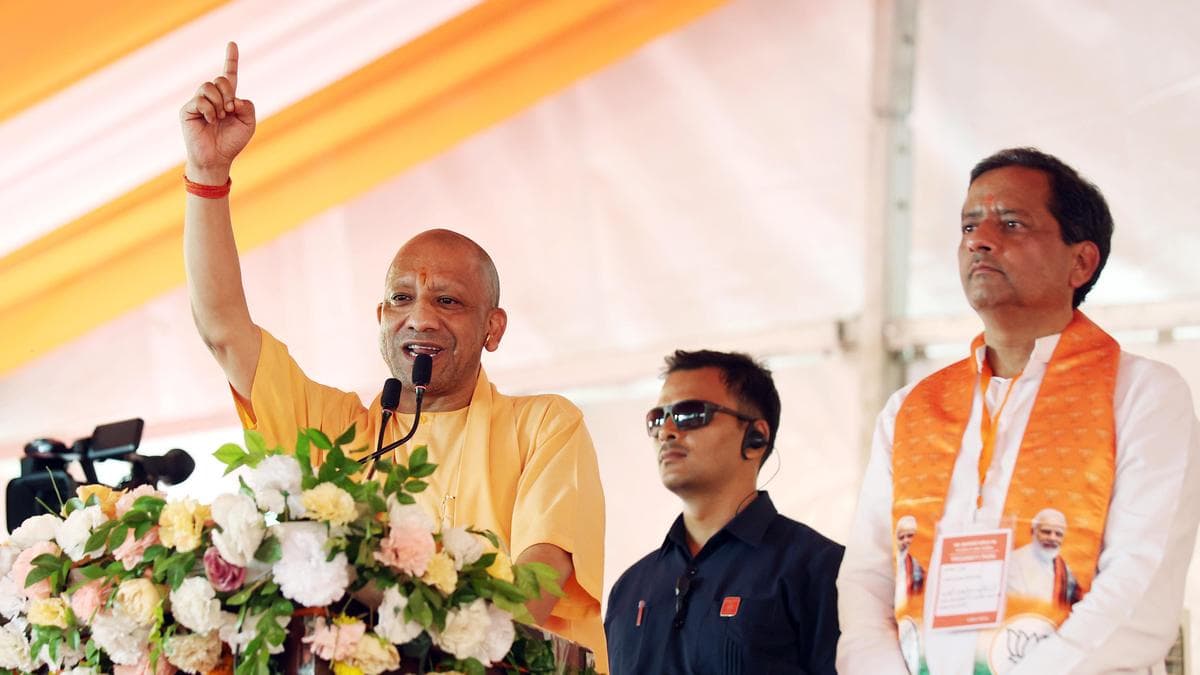
Uttar Pradesh Initiates Housing Projects for the Urban Poor on Reclaimed Land in Prayagraj
Oct 16, 2026
DGMA Restricts Indian Seafarer Deployment in Sarawak and Mandates Insurance Safeguards
Oct 16, 2026
Administrative Protocol and Order of Precedence for Members of Parliament at Public Functions
Oct 16, 2026
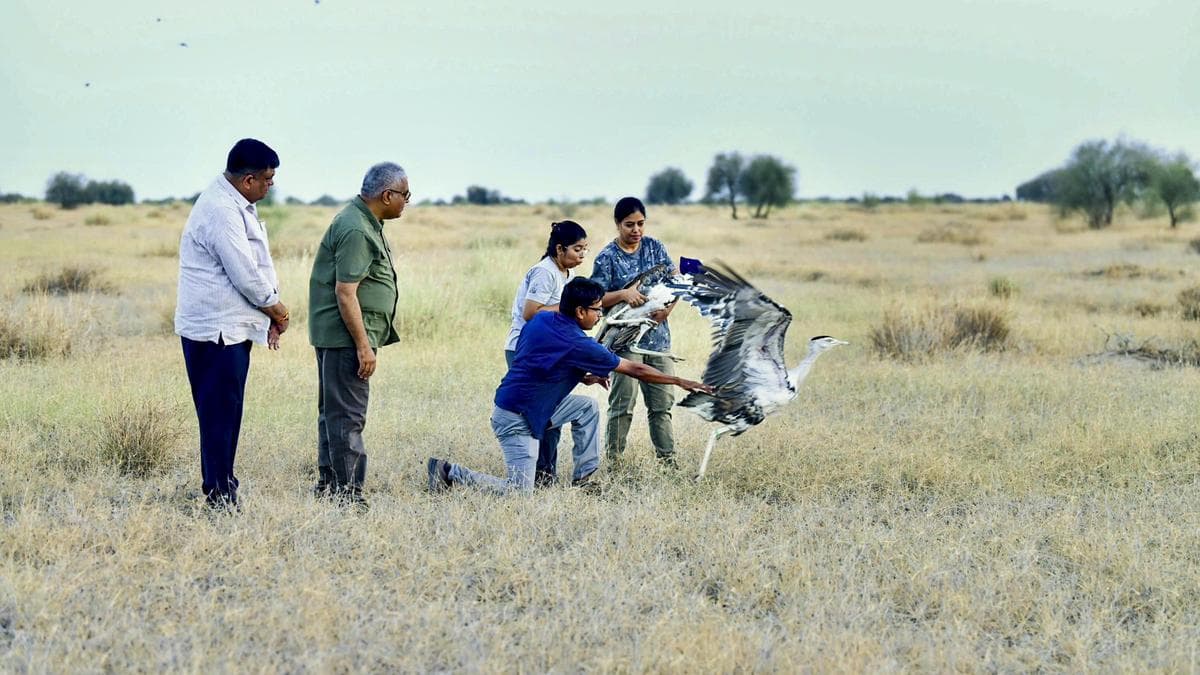
Captive-Bred Great Indian Bustards Released into the Wild at Desert National Park
Oct 16, 2026