UPSC MCQ Polity Question 05
Question:
Which of the following correctly describes the concept of “Doctrine of Basic Structure” of the Constitution of India?
A) It was propounded by the Supreme Court in the Golaknath case (1967) and holds that Parliament cannot amend any fundamental right.
B) It was evolved by the Supreme Court in the Kesavananda Bharati case (1973) and limits the amending power of Parliament so that the basic features of the Constitution cannot be destroyed.
C) It was introduced by the 42nd Constitutional Amendment Act, 1976, and allows Parliament unlimited power to amend the Constitution.
D) It was laid down in the Minerva Mills case (1980) and states that Fundamental Rights are superior to Directive Principles of State Policy.
Answer: B
Explanation:
The Doctrine of Basic Structure was propounded by the Supreme Court in the landmark Kesavananda Bharati v. State of Kerala (1973) judgment. The Court held that while Parliament has wide powers to amend the Constitution under Article 368, it cannot alter or destroy its “basic structure” or essential features (such as supremacy of the Constitution, secularism, federalism, separation of powers, judicial review, etc.).
- Option A is incorrect because the Golaknath case (1967) held that Parliament cannot amend Fundamental Rights, but this was later overruled; the basic structure doctrine came in 1973.
- Option C is wrong because the 42nd Amendment tried to give Parliament unlimited amending power, but the Supreme Court later curtailed it.
- Option D is incorrect because Minerva Mills (1980) reaffirmed the basic structure doctrine and struck a balance between Fundamental Rights and DPSPs; it did not originate the doctrine.
Live Test Series
Join thousands of aspirants in our weekly live mock tests. Get real-time ranking and detailed analysis.
Intensive Final Sprint UPSC Study Plan Duration: 1 weeks
Oct 15, 2026
UPSC Prelims Question (Indian Polity) 06
Oct 15, 2026

Tamil Nadu Mobilises Multi-Agency Preparedness and Zone-Level Administration for Northeast Monsoon
Oct 15, 2026
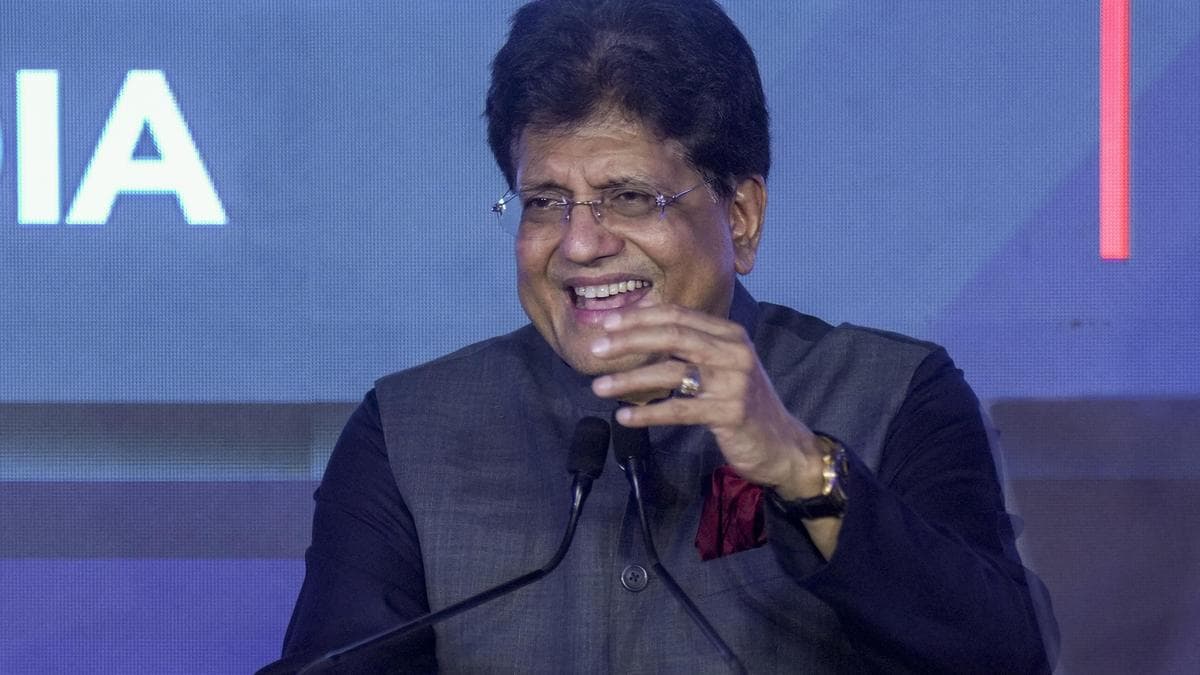
India-US Bilateral Trade Negotiations and Tariff Headwinds
Oct 15, 2026
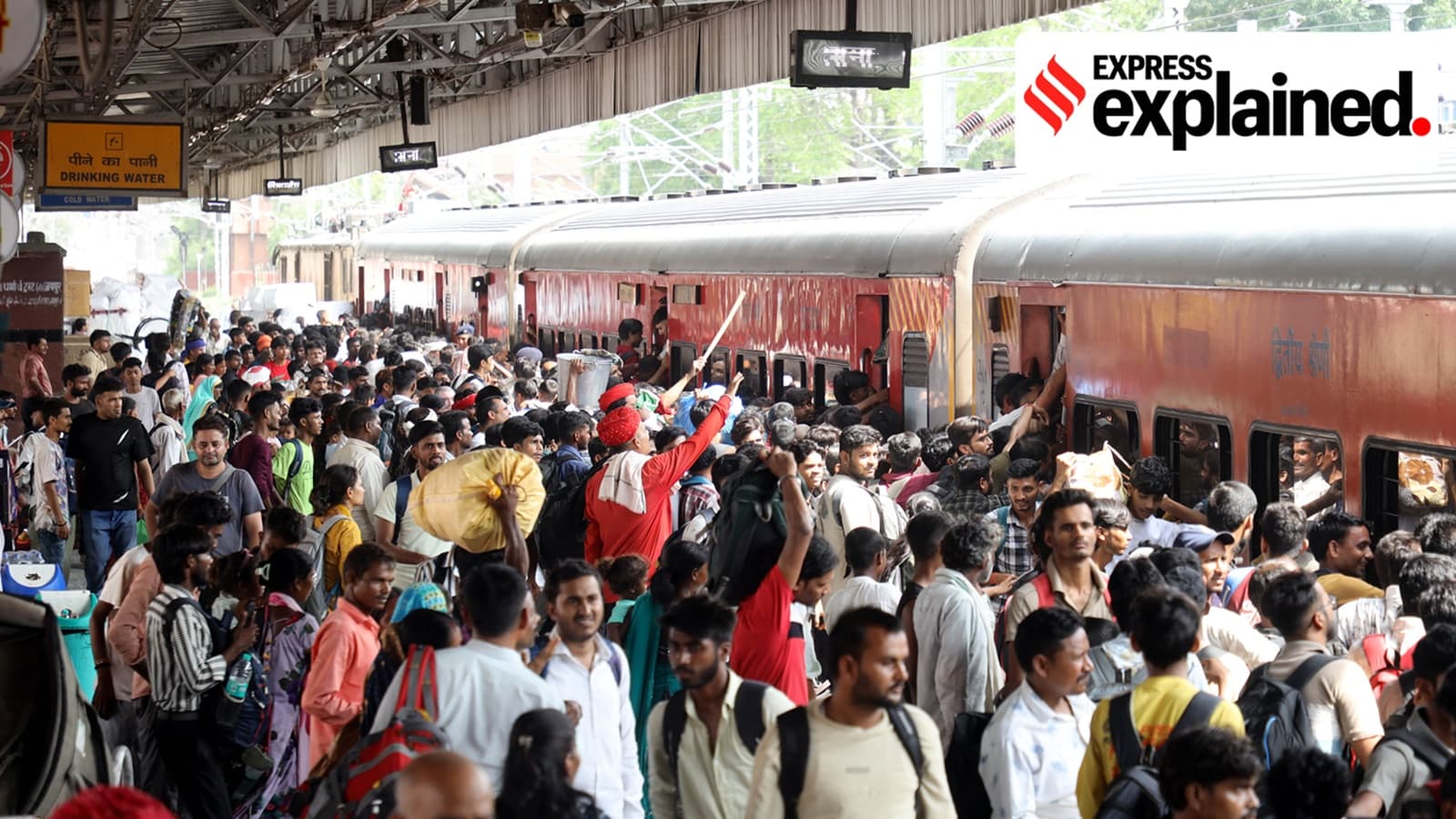
Supreme Court Mandates Passenger Insurance Coverage for Offline Railway Counter Bookings
Oct 15, 2026