CMFRI STI Hub Boosts Fisheries Micro-Enterprises and Inclusive Rural Livelihoods
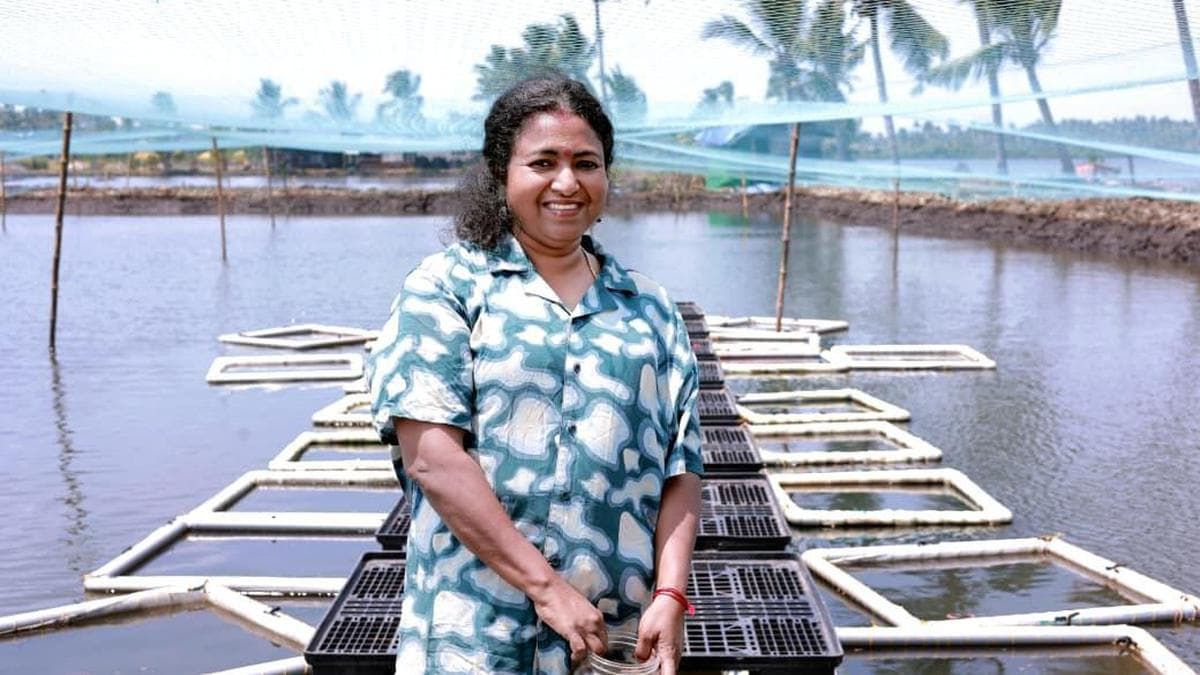
The Science, Technology and Innovation (STI) hub set up by the Central Marine Fisheries Research Institute (CMFRI) has fostered the establishment of 84 micro-enterprises across eight districts of Keralam between 2022 and 2026. The intervention, directed by Principal Scientist Vipinkumar V.P., focused on income diversification and sustainable livelihood development within coastal communities.
Significance for the UPSC Syllabus
Fisheries and mariculture form critical pillars of India's rural economy, blue economy objectives, and food security under General Studies Paper III. Linking laboratory research with field-level enterprise development highlights the role of scientific transfer in enhancing community resilience. Furthermore, the model presents a replicable template for inclusive social justice and gender empowerment (General Studies Paper II) by actively integrating marginalized groups, including women and transgender individuals, into commercial value chains.
Live Test Series
Join thousands of aspirants in our weekly live mock tests. Get real-time ranking and detailed analysis.
Key Outcomes and Operational Scope
According to information released by CMFRI, the initiative generated concrete socio-economic impacts:
- Beneficiary Inclusivity: The project directly assisted 469 individuals, which included 220 women and six transpersons, facilitating their transition from traditional, unorganized labor to skilled producers and business owners.
- Income Growth: Household earnings among participants increased by 30% to 35% following enterprise adoption.
- Diverse Aquaculture Models: Micro-enterprises covered diverse mariculture practices, such as pearl spot seed production, cage fish farming, ornamental fish culture, clam cultivation, integrated fish farming, and mussel and oyster farming.
- Post-Harvest Value Addition: Beyond primary production, the hub supported commercial activities along the fisheries value chain, including hygienic fish vending, dry fish processing, and product value addition.
Such science-led community interventions illustrate how technological capacity building can stimulate rural micro-entrepreneurship, reduce livelihood risks, and modernize the allied agricultural landscape.
Reported by The Hindu — National
Kigali Amendment to the Montreal Protocol and India’s Cooling Challenge
Oct 16, 2026

CERT-In Issues Critical Advisory on Unauthorised Network Intrusions by Agentic AI
Oct 16, 2026
Perumbali Incident Highlights Challenges in Enforcing the SC/ST Act and Dignified Burial Rights
Oct 16, 2026

Special Intensive Revision of Electoral Rolls and Federal Pricing Mechanism for Sugarcane
Oct 16, 2026
HMIE Global R&D Facility at Zaheerabad NIMZ and the Role of Industrial Corridors
Oct 16, 2026