Linguistic Heritage and the Rishi Tradition: Sermons in Vernacular Kashmiri
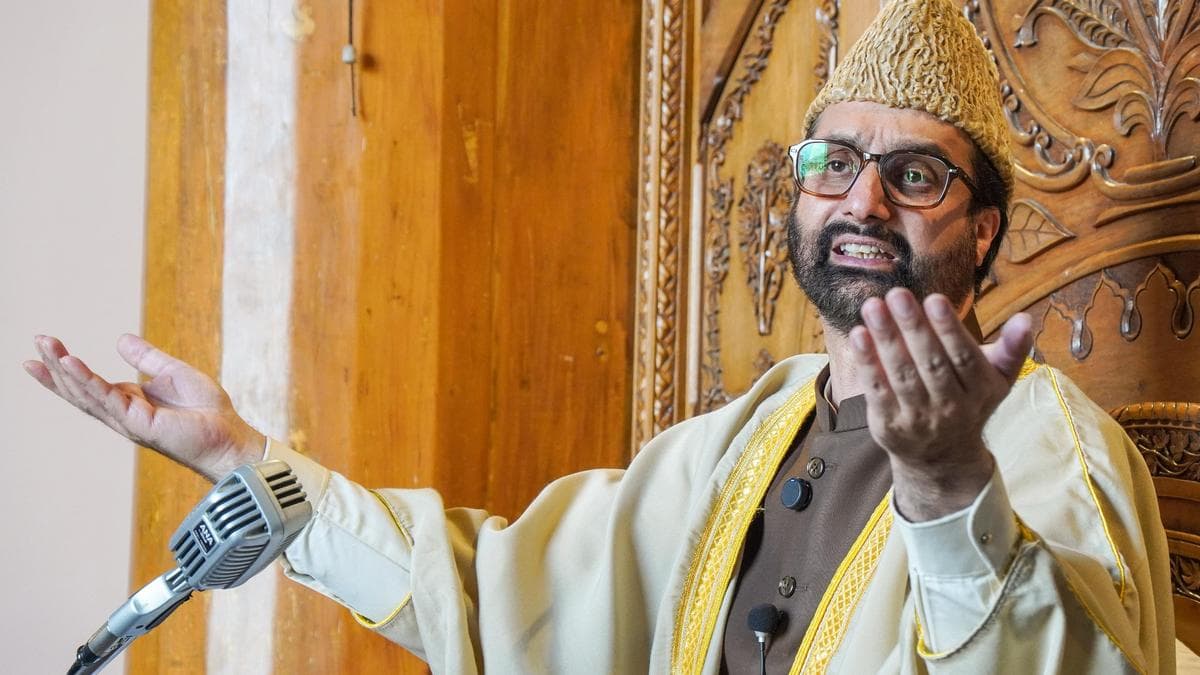
Clerics in Kashmir announced a coordinated move to deliver congregational Friday sermons across local mosques and imambargahs in the vernacular Kashmiri language, aimed at preserving regional linguistic identity and cultural memory. The initiative was unveiled on the annual urs of Hazrat Sheikh Noor-ud-Din Noorani.
Relevance to UPSC Syllabus
This event intersects with General Studies Paper I (Indian Heritage and Culture) under the themes of regional literature, the Bhakti-Sufi movement, and the indigenous Rishi order of Kashmir. Understanding the historical development of vernacular languages through medieval saint-poets is a recurring focus in art and culture.
Live Test Series
Join thousands of aspirants in our weekly live mock tests. Get real-time ranking and detailed analysis.
Historical Context: Sheikh Noor-ud-Din and the Rishi Order
- The Rishi Tradition of Kashmir: Hazrat Sheikh Noor-ud-Din Noorani (widely revered as Nund Rishi or Sheikh-ul-Alam) was a pivotal 14th–15th century mystic based in Budgam. He founded the Kashmiri Rishi movement, an indigenous Sufi order renowned for syncretism, ascetic discipline, and profound respect for living beings.
- Literary Role of 'Shruks': Sheikh Noor-ud-Din expressed philosophical and theological themes, including 'Imaan' (faith) and 'Tawheed' (divine unity), through poetic compositions known as shruks. These vernacular four-line stanzas served as an accessible medium to convey spiritual knowledge to ordinary people, helping establish Kashmiri as a refined literary and spiritual language.
- Vernacular Medium in Cultural Continuity: Vernacular languages in India frequently derived their written traditions and widespread adoption from Bhakti and Sufi preceptors who rejected exclusive classical idioms. Beyond spiritual instruction, the clergy's coordinated platform also aims to utilize the regional language to address contemporary societal challenges, including youth issues, mental health, substance abuse, and environmental responsibility.
Reported by The Hindu — National
How is the PM Gati Shakti Master Plan transforming infrastructure?
Oct 18, 2026
What recent policy updates affect public health and healthcare affordability?
Oct 18, 2026
How do price caps affect cancer treatment affordability?
Oct 18, 2026
How is private participation shaping India's economic growth and technology?
Oct 18, 2026
What specific drugs are included in the new pricing rules?
Oct 18, 2026