Pradhan Mantri Bhartiya Janaushadhi Pariyojana (PMBJP / Jan Aushadhi Scheme)
PMBJP is a government initiative to provide quality generic medicines at affordable prices through dedicated retail outlets called Jan Aushadhi Kendras. It aims to reduce out-of-pocket expenditure on healthcare, especially medicines, which form a large share of household medical costs in India.
Key Facts
Live Test Series
Join thousands of aspirants in our weekly live mock tests. Get real-time ranking and detailed analysis.
- Originally launched in 2008 and revamped/relaunched in 2015 as Pradhan Mantri Bhartiya Janaushadhi Pariyojana.
- Implemented by the Pharmaceuticals & Medical Devices Bureau of India (PMBI).
- Product basket includes over 2,100 medicines and 300+ surgical items/consumables covering major therapeutic areas (cardiovascular, diabetes, anti-infectives, etc.), plus some AYUSH products.
- Network expanded to ~20,500 Kendras by mid-2026 (covering most districts), with a target of 25,000 by March 2027.
Live NCERT Foundation
Master the basics with our live NCERT classes. The perfect foundation for your UPSC journey.
- Estimated daily footfall of 10–12 lakh visitors; sales of ~₹2,252 crore (MRP) in 2025-26, generating citizen savings of around ₹9,000 crore that year (cumulative savings estimated at ~₹45,000 crore over 12 years).
- Medicines typically priced 50–90% lower than branded equivalents (average discount ~80%).
Pros
- Significant reduction in medicine costs and out-of-pocket expenditure.
Advanced GS Course
Deep dive into General Studies with our comprehensive expert-led modules.
- Promotes the use of quality generics and leverages India’s strong generic manufacturing base.
- Improves access in smaller towns and rural areas; supports inclusive healthcare.
- Encourages entrepreneurship (individuals/NGOs can apply to open Kendras).
Cons / Challenges
- Network still small relative to India’s ~12 lakh chemists/druggists.
- Issues with stock availability, public awareness, and perceptions of quality.
- Reluctance among some doctors to prescribe generics; limited integration with public health facilities.
- Variable implementation quality and need for stronger quality assurance/monitoring.
Related Aspects
- Links to National Health Policy, Ayushman Bharat, generic drug promotion, and reduction of catastrophic health expenditure.
- Complements efforts to raise public health spending as a percentage of GDP.
- Ties into pharmaceutical regulation, drug pricing, and AYUSH integration.
Significance for UPSC
- GS-II (Governance, Social Justice, Health): Government schemes, welfare measures, public health access.
- GS-III (Economy): Inclusive growth, reduction of out-of-pocket expenditure, pharmaceutical sector.
- Prelims: Scheme details, implementing agency, targets, benefits of generics.
- Mains: Analyse challenges in scaling affordable healthcare, role of generics, policy recommendations for better awareness, quality, and coverage.
---
Question
With reference to the Pradhan Mantri Bhartiya Janaushadhi Pariyojana (PMBJP), consider the following statements:
1. It is implemented by the Pharmaceuticals & Medical Devices Bureau of India (PMBI).
2. The scheme primarily focuses on providing branded medicines at subsidised rates.
3. Jan Aushadhi Kendras offer medicines that are typically 50–90% cheaper than equivalent branded drugs.
4. The target is to establish 25,000 Kendras by March 2027.
Which of the statements given above are correct?
(a) 1, 3 and 4 only
(b) 1 and 2 only
(c) 2, 3 and 4 only
(d) 1, 2, 3 and 4
Correct Answer: (a) 1, 3 and 4 only
Brief Reasoning:
Statement 1 is correct — PMBI is the implementing agency. Statement 2 is incorrect — the scheme promotes and supplies quality generic medicines, not branded ones. Statement 3 is correct — average discounts are around 80%, with savings often in the 50–90% range. Statement 4 is correct — the government has set a target of 25,000 Kendras by March 2027.

Panjab University Rises in Global Interdisciplinary Research Rankings
Feb 20, 6111
Clean Air as a Public Health Priority: Lessons from COVID-19 and the National Clean Air Programme (NCAP)
Nov 19, 2026
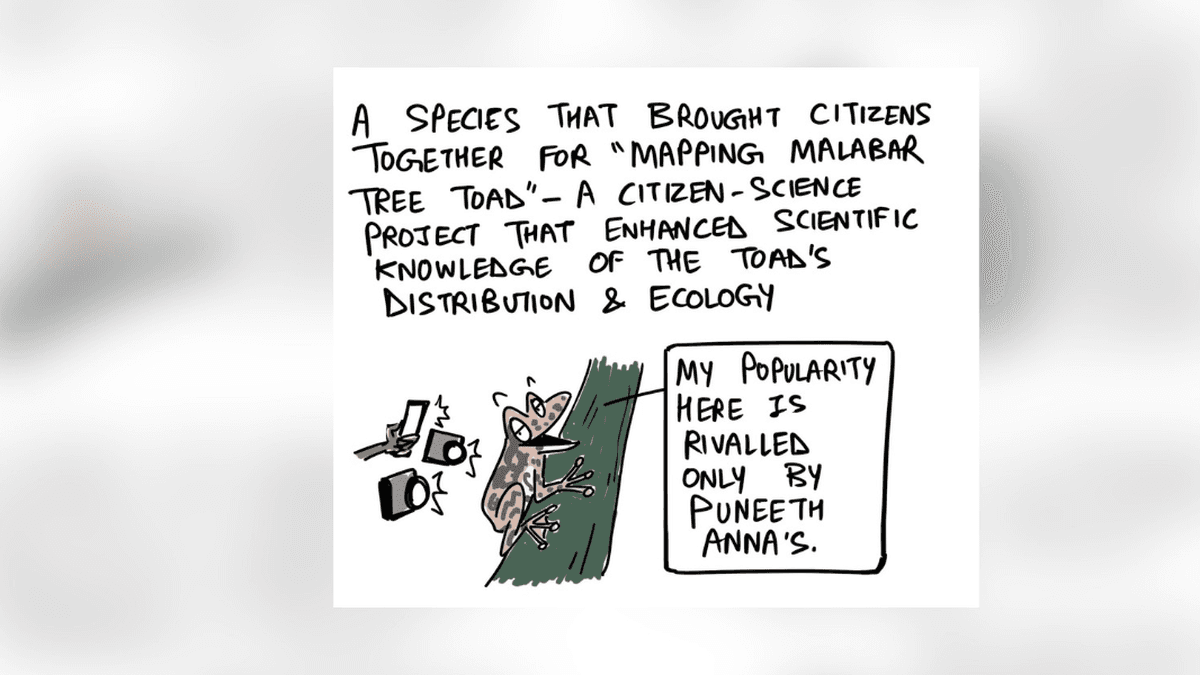
Malabar Tree Toad: Karnataka’s State Amphibian
Nov 19, 2026
Bihar Directive on Protocol for Elected Representatives
Nov 19, 2026
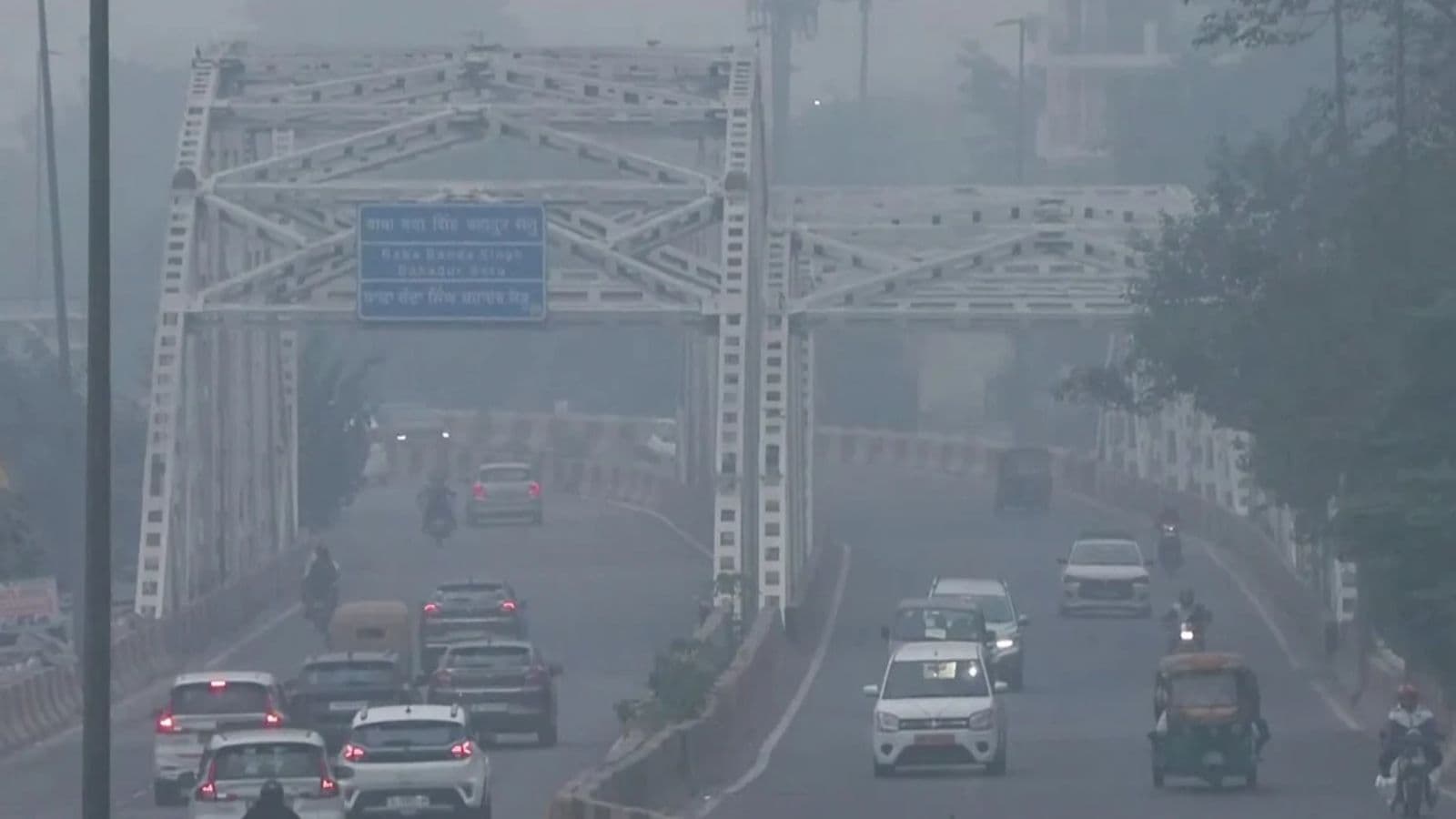
Revised PUC Validity Rules for BS-VI Vehicles
Nov 19, 2026