
How are global energy demands and climate goals intersecting in 2026? Thoughts
In 2026, global energy demands and climate goals are intersecting across several critical fronts — driven by accelerating clean energy adoption, a massive surge in power demand from artificial intelligence and data centers, new baseload renewable initiatives, and multilateral negotiations on climate finance.
1. Clean Energy Is Offsetting Demand Growth, But Risks Persist
Renewable Expansion: Global energy consumption continues to rise, but two-thirds of the growth in energy demand is currently being met by solar power, wind power, and electric vehicles (EVs). Clean technologies are projected to offset between 64% and 79% of emissions generated by new energy demand through 2028.
Live Test Series
Join thousands of aspirants in our weekly live mock tests. Get real-time ranking and detailed analysis.
Fossil Fuel Emissions: Global CO₂ emissions from fossil fuels are projected to decrease slightly by 0.4% in 2026 (to 38.2 billion tonnes).
Geopolitical & Structural Factors: Researchers note that part of the 2026 decline in fossil fuel emissions stems from short-term geopolitical energy shocks (such as the Iran conflict impacting oil prices and shipping) rather than permanent structural changes alone. Because land-use emissions have slightly increased, total global CO₂ emissions remain high at 43.3 billion tonnes, reducing the remaining carbon budget for limiting warming to 1.5°C to roughly 150 billion tonnes.
2. The Data Center Power Demand Surge
Quadrupling Demand: The rapid expansion of AI and digital infrastructure is driving unprecedented electricity demand. BloombergNEF projects that data center power consumption will almost quadruple to 2,354 TWh by 2035, accounting for 7% of global electricity consumption.
"Speed to Power" vs. Decarbonisation:
Live NCERT Foundation
Master the basics with our live NCERT classes. The perfect foundation for your UPSC journey.
Developed Markets (US & Europe): Severe grid connection delays are forcing developers to prioritize "speed to power," leading to over 181 GW of announced on-site gas-fired generation alongside data centers (more than 90% in the US). If fully built and operated, these gas plants present a significant risk of long-term fossil-fuel lock-in and increased carbon emissions.
Emerging Markets (India, Malaysia, Indonesia): In countries where power grids still rely heavily on coal and gas, data center growth risks temporarily increasing fossil generation unless companies aggressively scale up direct clean-power purchasing (e.g., bilateral solar/wind PPAs) alongside broader grid decarbonisation.
3. Scaling Reliable Baseload Clean Power (COP31 Geothermal Pledge)
The Global Geothermal Ambition 2050: At the UNFCCC COP31 summit in Antalya, Türkiye, the European Union officially joined the Global Geothermal Pledge.
Baseload Target: Launched by the Turkish COP31 Presidency and IRENA, the pledge aims to scale up global geothermal energy supply for heat and power to 12 times 2025 levels by 2050 (expanding global geothermal power capacity from 15.6 GW in 2025 to 193 GW by 2050). Geothermal power is increasingly viewed as an essential, weather-independent source of continuous baseload electricity and heating/cooling to meet growing demand without compromising climate targets.
Advanced GS Course
Deep dive into General Studies with our comprehensive expert-led modules.
4. Climate Finance and Equity at COP31
Article 9.1 Obligations: As developing nations expand energy access and infrastructure, countries like India, Bangladesh, and Nepal at COP31 are calling for strict adherence to the principles of Equity and Common But Differentiated Responsibilities (CBDR-RC).
Public Finance: Developing nations emphasize that public climate finance from developed countries under Article 9.1 of the Paris Agreement remains vital for catalyzing clean energy transitions, strengthening adaptation finance, and covering loss and damage without stalling domestic economic development.
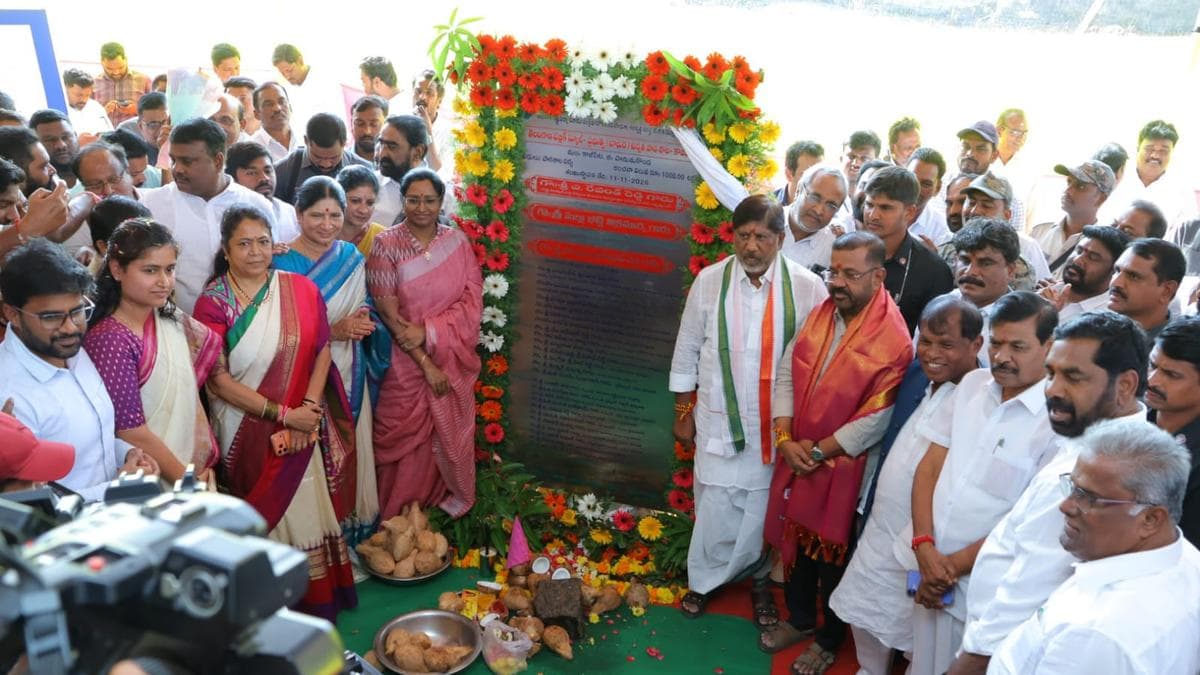
Telangana's Young India Integrated Residential Schools Initiative
Nov 11, 2026
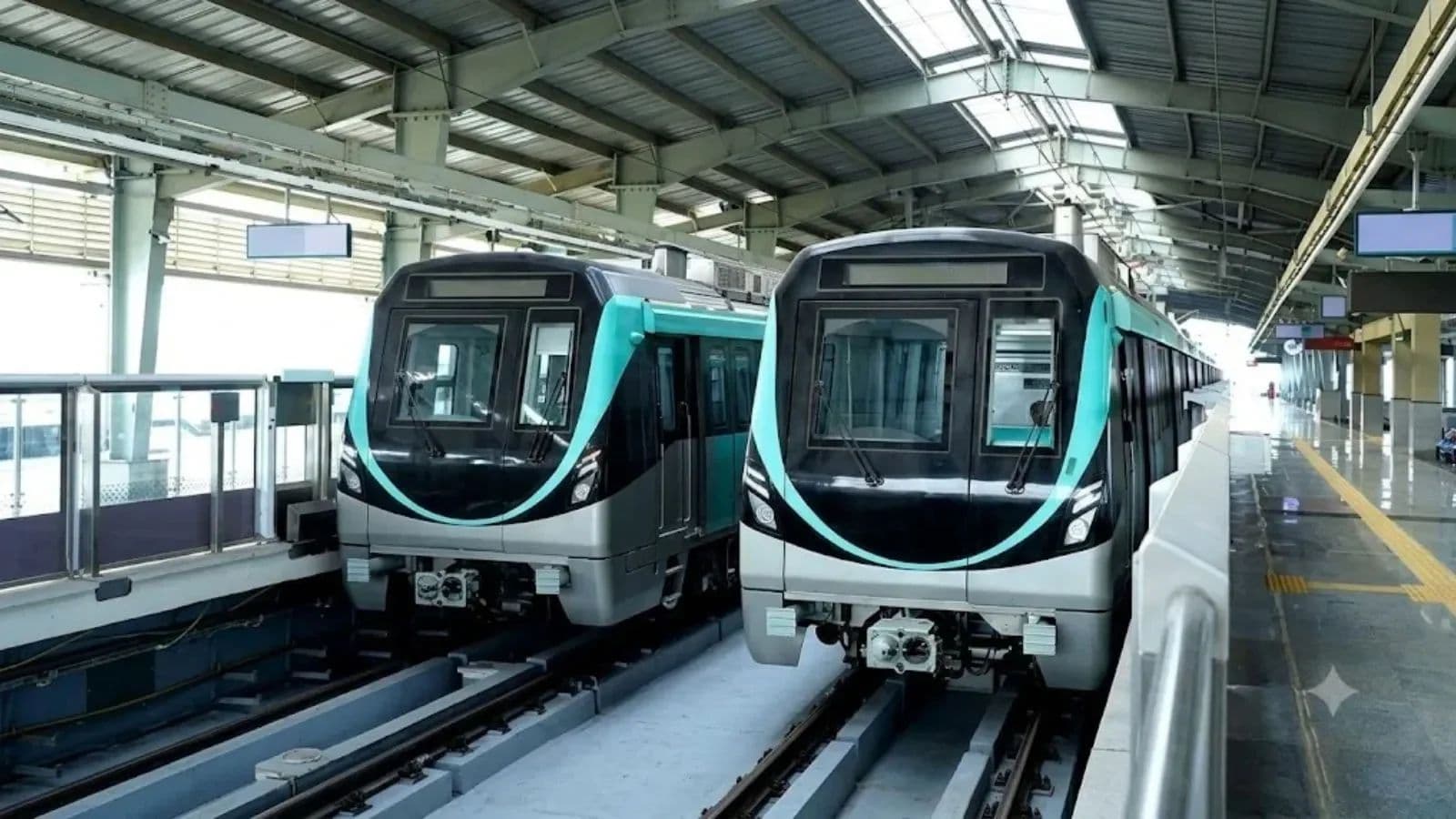
Cabinet Approval for Aqua Line Metro Extension in NCR
Nov 11, 2026

Telangana CM Addresses Minorities Welfare and Education Policy
Nov 11, 2026
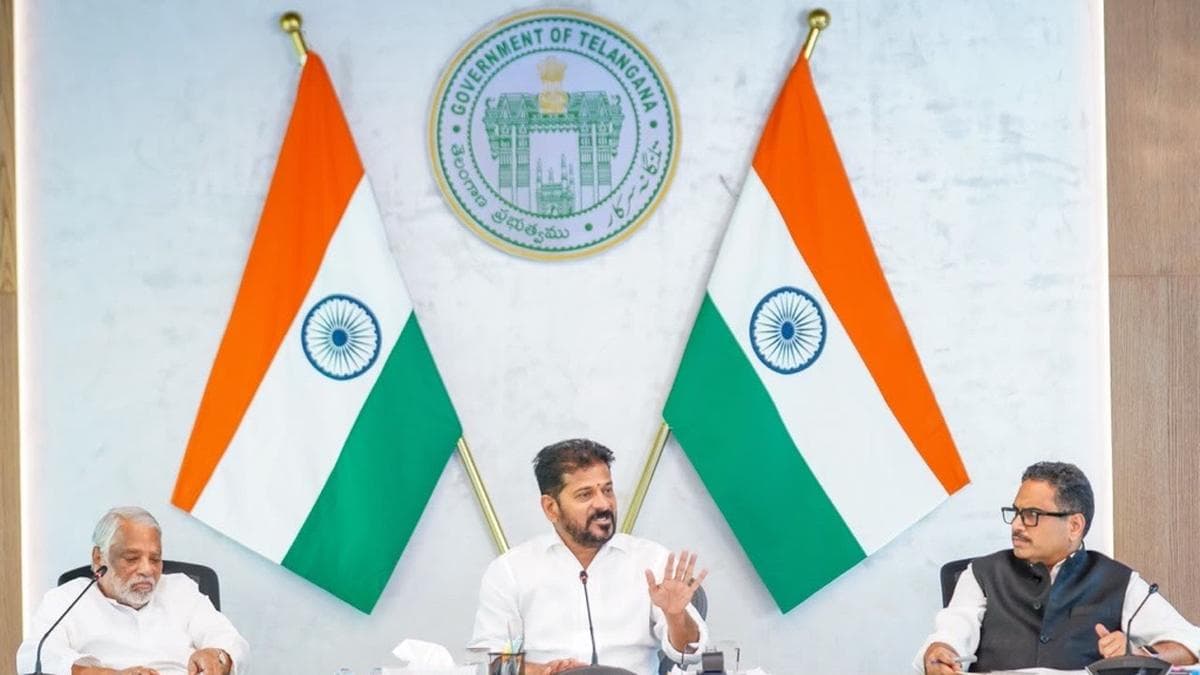
Telangana Government to Realign Education Structure to 10+2 Model
Nov 11, 2026

Closing of Kedarnath and Yamunotri Portals for the Winter Season
Nov 11, 2026